


Types of Cell Therapies: A Comprehensive Guide for Biopharma Leaders
Introduction
Cell therapy represents one of the most transformative approaches in modern medicine, offering potential cures for diseases once considered untreatable. As the field rapidly evolves, understanding the distinct types of cell therapies, their mechanisms, and clinical applications has become essential for biopharma executives, R&D leaders, and regulatory professionals navigating this complex landscape.
This guide examines the major categories of cell therapies currently in development and clinical use, with particular attention to the strategic and regulatory considerations that shape successful commercialization.
- Cell therapies encompass multiple distinct approaches, each with unique mechanisms and target indications
- CAR-T therapies have achieved remarkable success in hematologic malignancies but face challenges in solid tumors
- Stem cell therapies address tissue regeneration while engineered T-cell therapies harness immune function
- Manufacturing complexity and regulatory pathways differ significantly across cell therapy types
Understanding Cell Therapy: Foundational Concepts
Cell therapy involves the transfer of living cells into a patient to treat or prevent disease. Unlike traditional pharmaceuticals that rely on chemical compounds, cell therapies use biological cells as the therapeutic agent. These cells may be derived from the patient themselves (autologous) or from healthy donors (allogeneic), a distinction that profoundly impacts manufacturing, logistics, and regulatory strategy.
The field has expanded dramatically over the past two decades, driven by advances in genetic engineering, cell culture techniques, and our understanding of cellular immunology. Today’s cell therapies range from relatively straightforward stem cell transplants to highly sophisticated engineered immune cells designed to target specific disease markers.
Chimeric Antigen Receptor T-Cell (CAR-T) Therapy
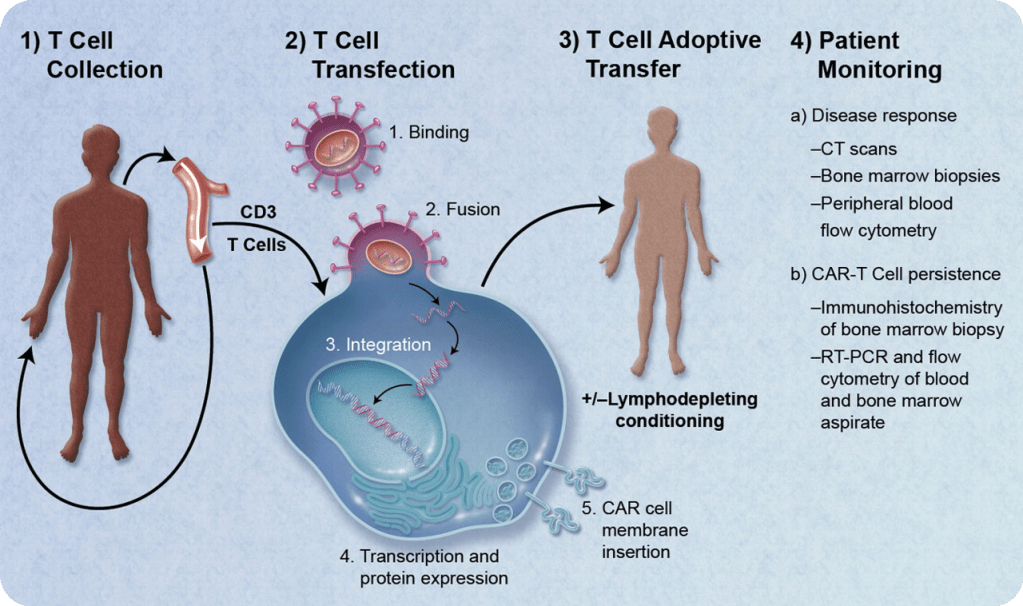
CAR-T therapy represents the most commercially successful cell therapy approach to date, with multiple FDA-approved products generating billions in annual revenue. This approach involves extracting a patient’s T-cells, genetically engineering them to express a chimeric antigen receptor that recognizes specific cancer antigens, expanding these modified cells ex vivo, and infusing them back into the patient.
Mechanism and Target Antigens
The CAR construct typically consists of an extracellular antigen-binding domain (usually derived from an antibody), a transmembrane domain, and intracellular signaling domains that activate the T-cell upon antigen recognition. Most approved CAR-T therapies target CD19, a protein expressed on B-cells, making them highly effective against B-cell malignancies such as acute lymphoblastic leukemia and certain lymphomas.
Next-generation CAR-T approaches are targeting alternative antigens including BCMA for multiple myeloma, CD22 for B-cell malignancies, and various solid tumor antigens. However, solid tumor applications face significant challenges including tumor heterogeneity, immunosuppressive microenvironments, and lack of truly tumor-specific antigens.
Clinical Applications and Limitations
Current FDA-approved CAR-T therapies have demonstrated remarkable complete response rates in relapsed or refractory hematologic malignancies, with some patients achieving durable remissions lasting years. However, significant challenges remain including cytokine release syndrome, immune effector cell-associated neurotoxicity syndrome, manufacturing complexity, and the high cost of treatment.
The autologous nature of current CAR-T products creates substantial manufacturing and logistical challenges. Patient-specific production requires weeks of manufacturing time, during which some patients’ conditions may deteriorate. This has driven significant interest in allogeneic “off-the-shelf” CAR-T approaches.
T-Cell Receptor (TCR-T) Therapy
TCR-T therapy shares similarities with CAR-T but uses native T-cell receptor mechanisms to recognize antigens. Rather than engineering cells to express artificial receptors, TCR-T modifies T-cells to express natural TCRs with high affinity for specific peptide-MHC complexes.
Distinguishing Features from CAR-T
Unlike CARs, which recognize surface antigens directly, TCRs recognize processed peptides presented on MHC molecules. This fundamental difference allows TCR-T cells to target intracellular proteins, dramatically expanding the universe of potential tumor antigens. Approximately 90% of cellular proteins are intracellular, making TCR-T potentially applicable to targets inaccessible to CAR-T approaches.
However, TCR recognition is MHC-restricted, meaning the therapy must match the patient’s HLA type. This adds complexity to development and limits the patient population for any given TCR-T product. Additionally, off-target toxicity due to cross-reactivity with similar peptides presented by normal tissues represents a significant safety concern.
Development Status and Applications
While no TCR-T therapies have yet received FDA approval, several are in late-stage clinical development for solid tumors. Target antigens include NY-ESO-1, MAGE-A4, and viral antigens such as HPV-16 E7. The ability to target intracellular tumor antigens positions TCR-T as a complementary approach to CAR-T for indications where surface antigen expression is limited.
Tumor-Infiltrating Lymphocyte (TIL) Therapy
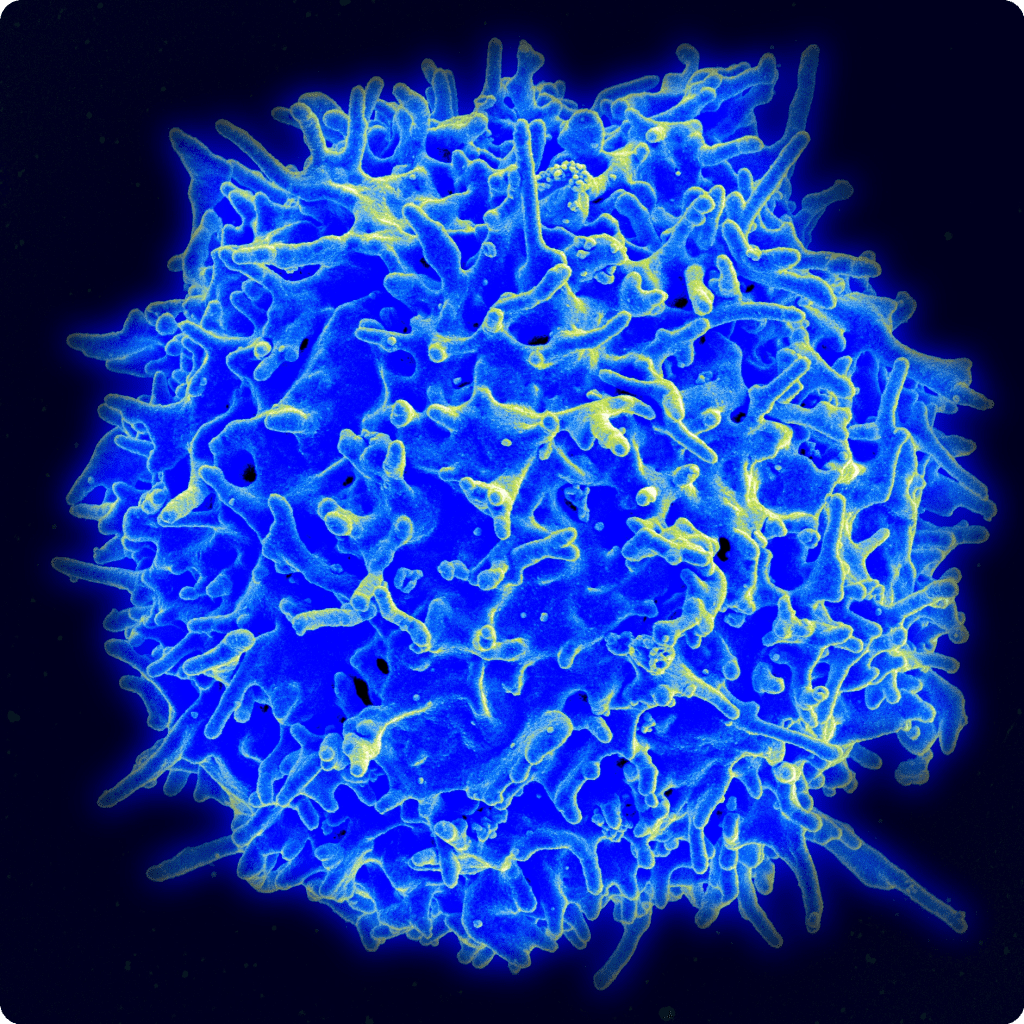
TIL therapy takes a fundamentally different approach by isolating lymphocytes that have naturally infiltrated a patient’s tumor, expanding them ex vivo, and reinfusing them in large numbers. Unlike CAR-T and TCR-T, TILs are not genetically engineered but rather selected and amplified from the patient’s existing anti-tumor immune response.
Scientific Rationale
Tumor-infiltrating lymphocytes have demonstrated the ability to recognize tumor antigens in their native context. By extracting these cells from the tumor microenvironment and expanding them substantially, TIL therapy aims to overcome the immunosuppressive conditions within tumors while maintaining the natural repertoire of tumor-reactive T-cells.
The process typically involves surgical resection of tumor tissue, isolation and culture of TILs for several weeks to achieve massive expansion, lymphodepleting chemotherapy, and infusion of billions of TILs along with high-dose IL-2 to support T-cell persistence.
Clinical Evidence and Indications
TIL therapy has shown particular promise in melanoma, where objective response rates of 40-50% have been observed in heavily pretreated patients. The approach is also being investigated in other solid tumors including non-small cell lung cancer, head and neck cancer, and cervical cancer. The FDA recently approved the first TIL therapy for melanoma, validating this therapeutic modality.
Manufacturing challenges remain significant, as TIL production requires weeks of specialized culture and depends on successful lymphocyte extraction from tumor specimens. Not all tumors yield sufficient TILs for expansion, and manufacturing success rates vary by tumor type and patient factors.
Natural Killer (NK) Cell Therapy
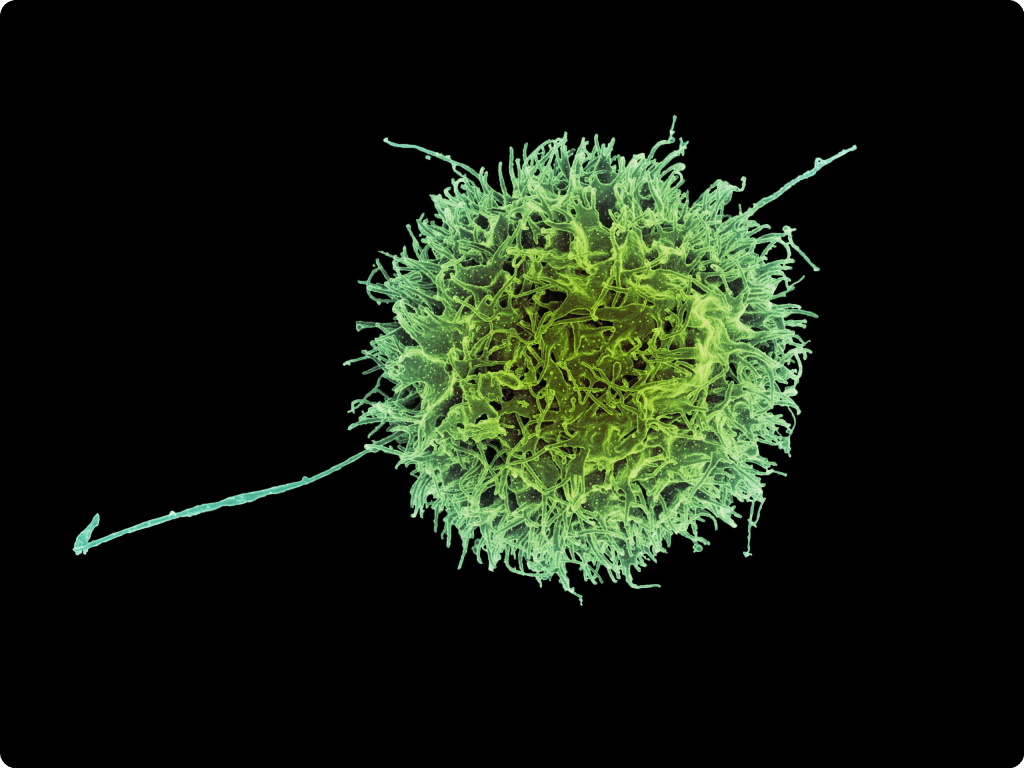
Natural killer cell therapy leverages innate immune cells rather than the adaptive T-cell responses utilized by CAR-T, TCR-T, and TIL approaches. NK cells can recognize and kill tumor cells without prior sensitization and without MHC restriction, offering potential advantages in certain clinical contexts.
Mechanisms of Action
NK cells recognize target cells through a balance of activating and inhibitory receptors. Tumor cells often downregulate MHC class I expression to evade T-cell recognition, but this “missing self” signal actually activates NK cells. Additionally, NK cells express receptors that recognize stress-induced ligands on tumor cells and can mediate antibody-dependent cellular cytotoxicity.
CAR-engineered NK cells combine the innate tumor recognition capabilities of NK cells with the targeting specificity of CAR technology. This approach has generated significant interest due to NK cells’ potentially better safety profile compared to CAR-T, with lower risk of cytokine release syndrome and no risk of graft-versus-host disease when using allogeneic cells.
Source Considerations
NK cells can be derived from peripheral blood, cord blood, induced pluripotent stem cells, or established NK cell lines. Each source presents distinct advantages and challenges regarding expansion potential, manufacturing scalability, and functional characteristics. Allogeneic NK cell products offer the possibility of off-the-shelf availability, addressing one of the major limitations of autologous T-cell therapies.
Hematopoietic Stem Cell Transplantation
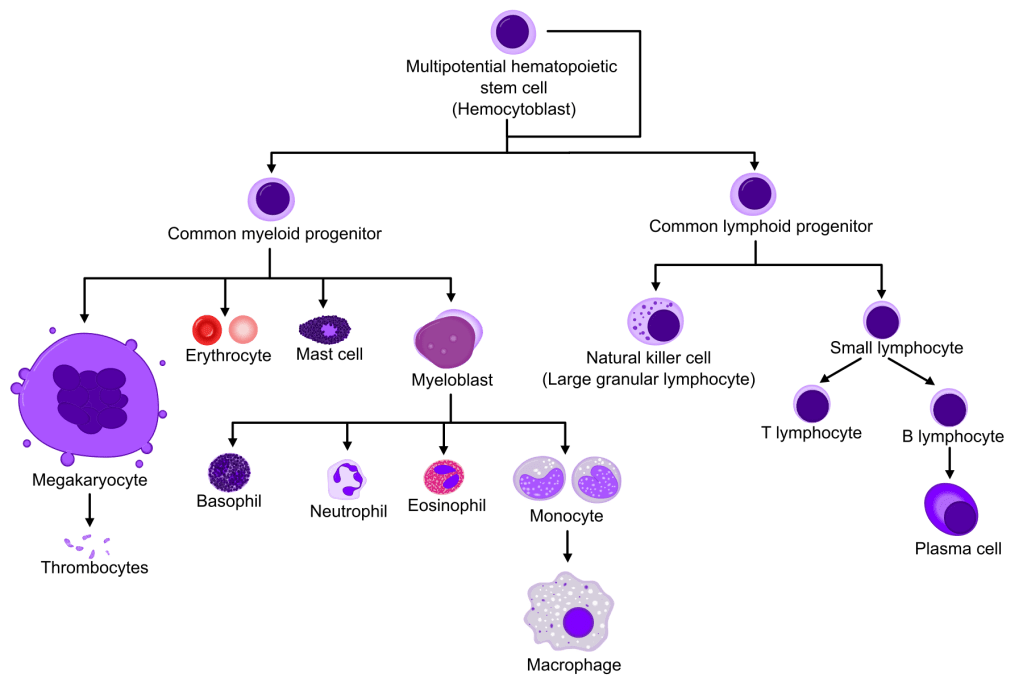
Hematopoietic stem cell transplantation remains the most established and widely practiced form of cell therapy, with decades of clinical experience. While often not grouped with newer cell therapy modalities, HSC transplantation represents a critical therapeutic option for hematologic malignancies, bone marrow failure syndromes, and certain genetic disorders.
Autologous versus Allogeneic Approaches
Autologous HSC transplantation involves collecting a patient’s own stem cells, typically after mobilization with growth factors, followed by high-dose chemotherapy and stem cell reinfusion to rescue bone marrow function. This approach is commonly used in multiple myeloma and lymphomas.
Allogeneic HSC transplantation uses stem cells from a matched donor and provides both stem cell replacement and a graft-versus-tumor effect, where donor immune cells attack residual malignant cells. This approach offers potential curative treatment for acute leukemias and other blood cancers but carries risks of graft-versus-host disease and requires careful HLA matching.
Modern Refinements
Contemporary HSC transplantation has been refined through improved HLA typing, reduced-intensity conditioning regimens, better supportive care, and post-transplant maintenance strategies. Haploidentical transplantation using partially matched family donors has expanded access to this potentially curative therapy.
Mesenchymal Stem Cell (MSC) Therapy
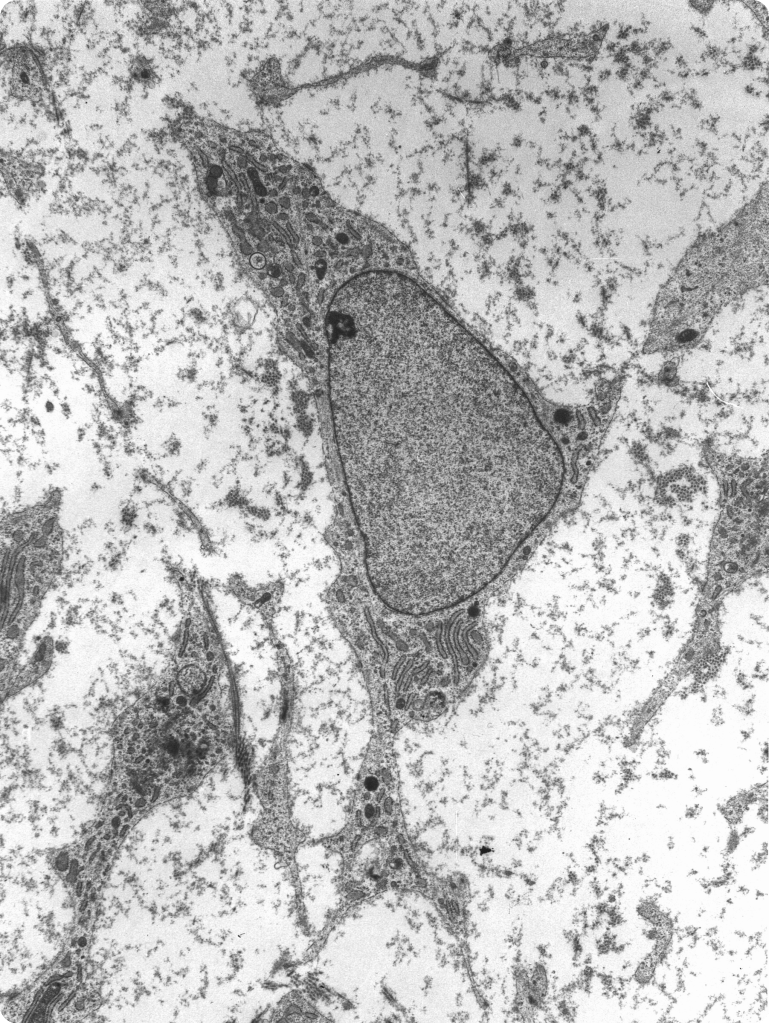
Mesenchymal stem cells represent a distinct category of cell therapy focused on tissue regeneration and immunomodulation rather than tumor targeting. MSCs are multipotent stromal cells that can differentiate into various cell types and secrete factors that modulate immune responses and promote tissue repair.
Mechanisms and Applications
MSCs exert therapeutic effects primarily through paracrine signaling rather than direct differentiation into functional tissue. They secrete growth factors, cytokines, and extracellular vesicles that can reduce inflammation, promote angiogenesis, and support tissue regeneration. This has led to investigation of MSC therapy for diverse conditions including graft-versus-host disease, inflammatory bowel disease, myocardial infarction, and orthopedic applications.
The immunomodulatory properties of MSCs have positioned them as potential treatments for autoimmune and inflammatory conditions. MSCs can suppress T-cell proliferation, modulate dendritic cell maturation, and influence macrophage polarization toward anti-inflammatory phenotypes.
Regulatory and Manufacturing Considerations
MSC products have faced significant regulatory challenges due to variability in cell sourcing, culture conditions, and mechanisms of action. The field has struggled with inconsistent clinical results, partly attributable to differences in MSC preparation and potency across studies. Establishing standardized manufacturing processes and relevant potency assays remains an active area of development.
Induced Pluripotent Stem Cell (iPSC)-Derived Therapies
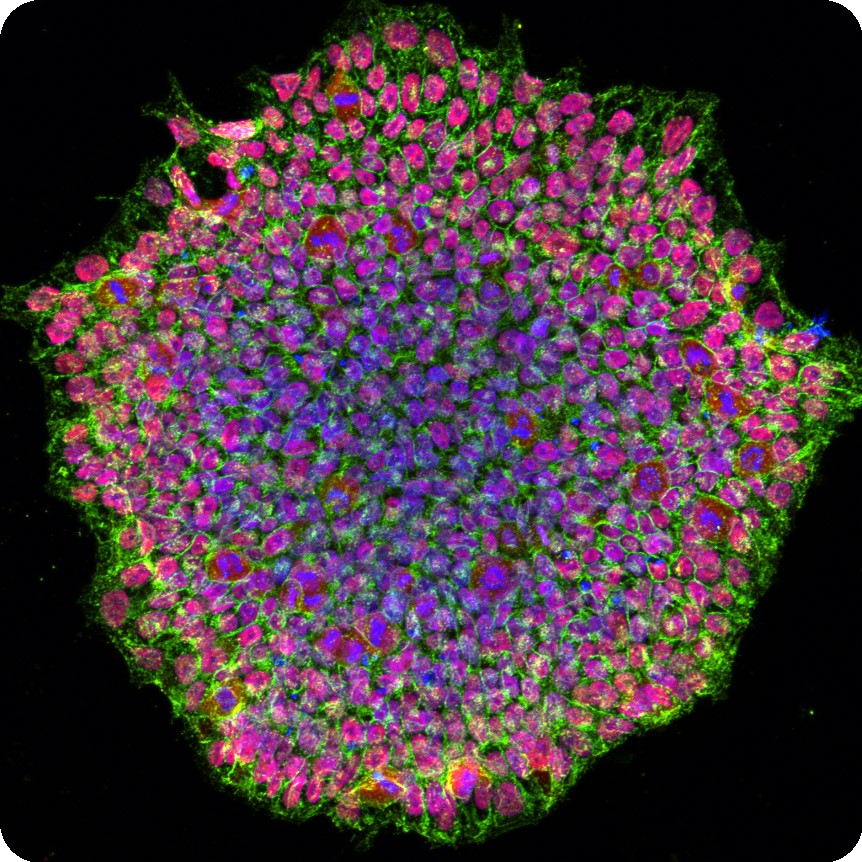
Induced pluripotent stem cell technology enables the generation of patient-specific or universal donor stem cells that can differentiate into virtually any cell type. This technology opens possibilities for regenerative therapies, disease modeling, and as a platform for manufacturing other cell therapy products.
Applications in Cell Therapy Development
iPSCs can serve as a renewable source for generating therapeutic cell types including cardiomyocytes for heart disease, dopaminergic neurons for Parkinson’s disease, pancreatic beta cells for diabetes, and immune cells for cancer therapy. The ability to generate unlimited quantities of cells from a single cell line addresses manufacturing scalability challenges inherent in primary cell-based approaches.
For immune cell therapies, iPSCs can be engineered with therapeutic modifications and then differentiated into T-cells or NK cells, creating off-the-shelf cellular products. This approach combines the manufacturing advantages of cell lines with the functional capabilities of primary immune cells.
Technical and Regulatory Challenges
Despite their promise, iPSC-derived therapies face significant hurdles including ensuring complete differentiation, preventing teratoma formation, establishing functional maturity of derived cells, and navigating complex regulatory pathways. The long development timelines and manufacturing complexity have limited clinical progress, though several iPSC-derived products are now in early clinical trials.
Regulatory Pathways and Manufacturing Considerations
The regulatory landscape for cell therapies continues to evolve as agencies gain experience with diverse modalities. In the United States, cell therapies are regulated as biological products under the Public Health Service Act and must demonstrate safety and efficacy through the traditional investigational new drug and biologics license application pathway.
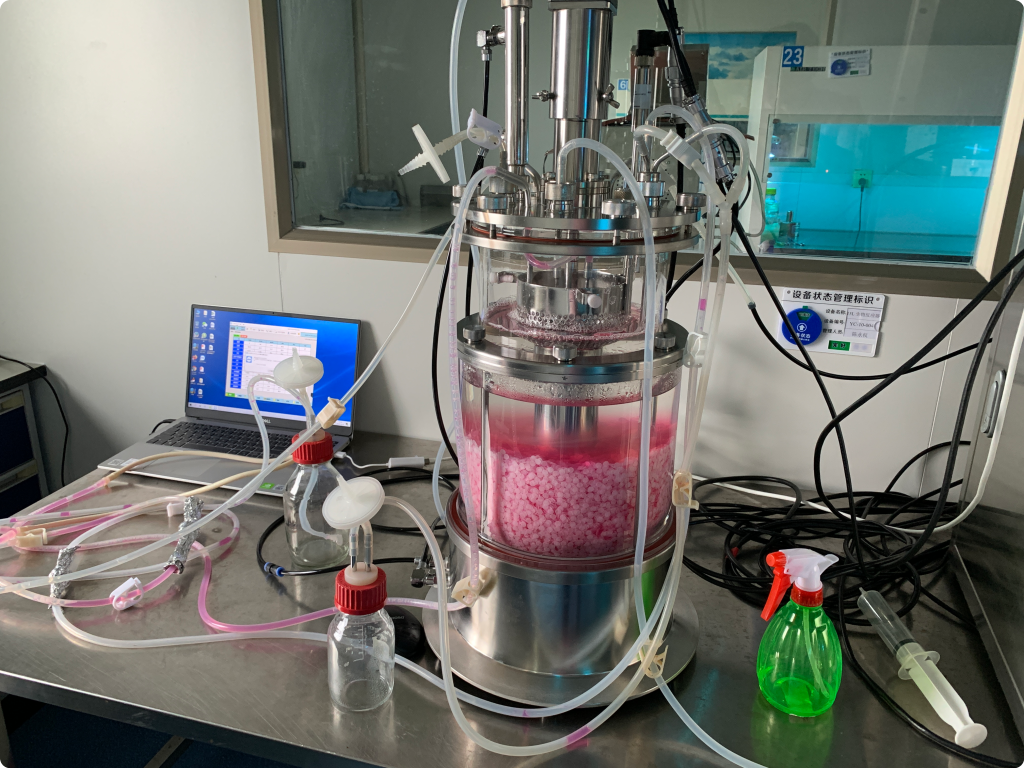
Chemistry, Manufacturing, and Controls Challenges
Cell therapy manufacturing presents unique challenges compared to traditional biologics. Living cells are inherently variable, sensitive to culture conditions, and difficult to characterize comprehensively. Establishing appropriate specifications, stability programs, and potency assays requires careful consideration of the specific cell type and mechanism of action.
Autologous therapies face additional complexity due to patient-specific manufacturing, chain of custody requirements, and compressed timelines. Allogeneic approaches must address immunogenicity concerns and may require immune editing to prevent rejection. Both approaches require sophisticated manufacturing facilities, specialized personnel, and robust quality systems.
Key Regulatory Considerations by Therapy Type
Engineered cell therapies involving genetic modification face additional scrutiny regarding vector design, integration site analysis, and long-term follow-up for potential delayed adverse events. Agencies require 15-year follow-up for gene therapy products, recognizing the theoretical risk of insertional mutagenesis or delayed effects.
Minimally manipulated cell products such as certain stem cell transplants may qualify for different regulatory pathways, but most modern cell therapies involve substantial ex vivo manipulation that requires full licensure. The 21st Century Cures Act introduced the Regenerative Medicine Advanced Therapy designation to expedite development of promising cell therapies addressing serious conditions.
Strategic Considerations for Biopharma
Organizations evaluating cell therapy development must carefully assess multiple strategic factors including target indication characteristics, manufacturing approach, competitive landscape, reimbursement potential, and organizational capabilities.
The choice between autologous and allogeneic approaches fundamentally shapes development strategy. Autologous products may offer advantages in certain contexts such as reduced immunogenicity and established regulatory precedent, but allogeneic products provide manufacturing scalability and potentially faster patient access. Many organizations are pursuing both approaches for different indications or developing allogeneic alternatives to autologous products.
Manufacturing strategy represents a critical decision point. Options range from fully centralized manufacturing to decentralized point-of-care production, with various hybrid models emerging. The optimal approach depends on product characteristics, target market size, geographic considerations, and capital availability. Partnership models with specialized contract development and manufacturing organizations are common given the technical expertise required.
The competitive landscape varies significantly across cell therapy types and indications. Hematologic malignancies face intense competition with multiple approved products and numerous pipeline candidates, driving focus toward differentiation through improved safety profiles, enhanced efficacy, or manufacturing efficiency. Solid tumor applications remain less crowded but present greater technical challenges. Regenerative medicine applications face different competitive dynamics with alternative treatment modalities.
Emerging Trends and Future Directions
The cell therapy field continues to advance rapidly along multiple dimensions. Armored CAR-T approaches that secrete immunomodulatory cytokines or checkpoint inhibitors aim to overcome the immunosuppressive tumor microenvironment in solid tumors. Multi-antigen targeting through dual CARs or CAR-T cells combined with other modalities seeks to prevent antigen escape.
In vivo CAR-T approaches that engineer T-cells directly in the patient’s body could dramatically simplify manufacturing and improve accessibility. Several companies are developing viral and non-viral delivery systems to achieve this goal, though technical and safety challenges remain significant.
Automation and closed-system manufacturing platforms are advancing to improve consistency, reduce costs, and enable point-of-care production. Artificial intelligence and machine learning are being applied to optimize manufacturing processes, predict product quality, and personalize treatment approaches.
The integration of cell therapies with other treatment modalities including checkpoint inhibitors, targeted therapies, and radiation therapy represents an important frontier. Combination approaches may enhance efficacy while potentially reducing toxicity through lower cell doses or synergistic mechanisms.
Conclusion
The diversity of cell therapy approaches reflects both the field’s remarkable innovation and the complexity of applying living cells as therapeutic agents. Each modality presents distinct advantages, limitations, and development challenges that must be carefully evaluated in the context of target indications and organizational capabilities.
As cell therapies continue to mature from novel research concepts to established treatment modalities, success requires not only scientific innovation but also strategic thinking about manufacturing, regulatory pathways, market access, and competitive positioning. Organizations that thoughtfully navigate these multifaceted considerations while maintaining focus on patient benefit will be best positioned to realize the transformative potential of cell therapy.

About The Author
Thomas Fraleigh has over 20 years of experience in the life sciences industry. His expertise spans manufacturing, quality control, regulatory and business development. He is the Founder and Principle Consultant for Terraforme Biosciences, working with investors and operators to change the life sciences landscape.
Published: January 14, 2025
Last Updated: January 14, 2025
Reading Time: 18 minutes
Ready to navigate the complexities of cell therapy development?
Whether you’re evaluating an investment in the sector, platform selection, refining your manufacturing strategy, or preparing for regulatory interactions, we can help accelerate your path to market.
 Terraforme Biosciences