



Cell Line Development: Market Dynamics and Technical Foundations of Biologics Manufacturing
Introduction
Cell line development represents one of the most critical and technically sophisticated processes in biologics manufacturing, serving as the foundation upon which multi-billion dollar drug programs are built. This specialized field involves the creation and optimization of immortalized cell lines capable of producing therapeutic proteins with appropriate quality attributes, productivity, and stability for commercial-scale manufacturing.
The global cell line development market exceeded $6 billion in 2024 and is projected to reach $12 billion by 2030, driven by expanding biologics pipelines, increasing demand for biosimilars, and the emergence of novel therapeutic modalities including bispecific antibodies and antibody-drug conjugates. For technical professionals, understanding cell line development workflows and platform technologies is essential for successful biologics programs. For investors and business strategists, the cell line development services market represents a compelling opportunity characterized by technical barriers to entry, recurring revenue models, and direct linkage to the explosive growth in biologics therapeutics.
This comprehensive guide examines the technical processes underlying cell line development, market segmentation and competitive dynamics, technology platforms shaping the industry, and the strategic and investment considerations defining this specialized sector.
Key Takeaways
- The cell line development market is growing at 12-15% annually, driven by biologics and biosimilars expansion
- Chinese Hamster Ovary (CHO) cells dominate with 70%+ market share, though alternative systems are gaining traction
- Cell line development timelines of 6-12 months represent critical path activities in biologics development programs
- Service providers with proprietary platform technologies command premium pricing and customer loyalty
- Market consolidation is creating larger, more capable service providers while specialized players target niche segments
Understanding Cell Line Development: Technical Foundations
Cell line development is the process of generating a clonal, production cell line that consistently expresses a therapeutic protein at commercially viable levels with appropriate quality attributes. This process transforms a gene sequence encoding a therapeutic protein into a living manufacturing system capable of producing kilograms to metric tons of product annually.
The fundamental challenge in cell line development is achieving high, stable productivity while maintaining product quality attributes including proper protein folding, post-translational modifications (particularly glycosylation), and absence of product-related variants or impurities. These requirements must be balanced against manufacturability considerations including cell growth characteristics, metabolic stability, and scalability to commercial production volumes.
The Cell Line Development Workflow
The typical cell line development workflow progresses through several distinct stages, each with specific technical objectives and decision points. Understanding this workflow is essential for both technical practitioners and investors evaluating service providers or technology platforms.
Vector construction and transfection
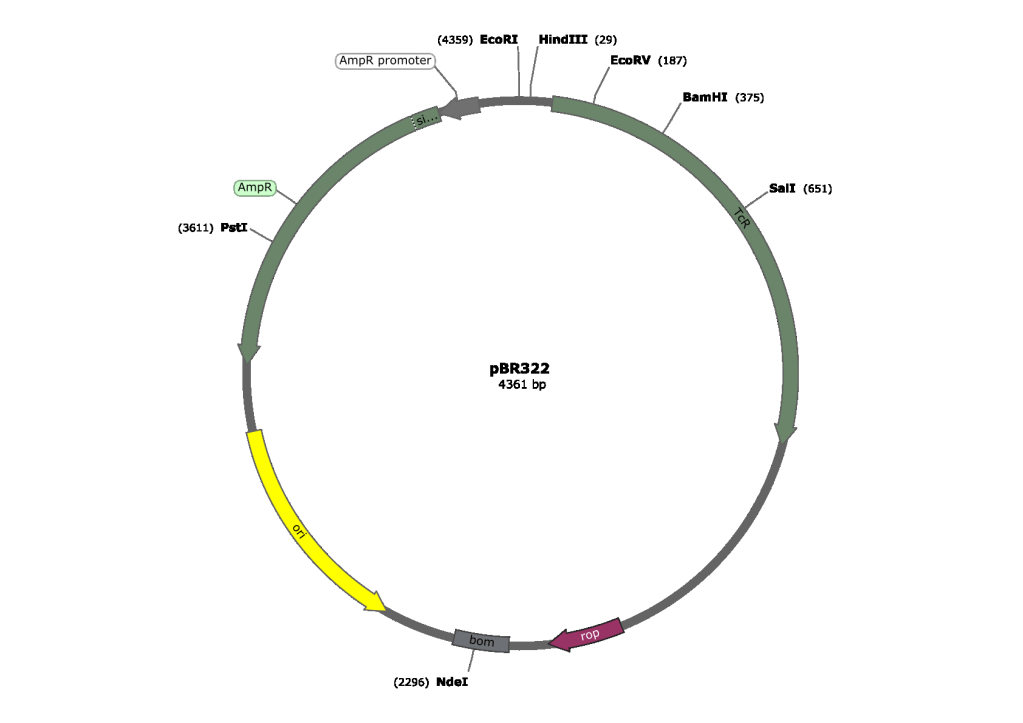
Represents the initial stage where the therapeutic protein coding sequence is introduced into expression vectors containing regulatory elements that drive high-level protein expression. These vectors typically include strong promoters (often CMV or synthetic variants), selection markers enabling identification of successfully transfected cells, and elements promoting transgene integration into the host cell genome. The vector design significantly impacts downstream productivity and stability, making this stage a key differentiator among cell line development platforms.
Following vector construction, host cells are transfected using various methods including electroporation, chemical transfection, or viral transduction. The transfection efficiency and the number of viable, transfected cells obtained directly impact the probability of identifying high-producing clones in subsequent stages.
Selection and amplification
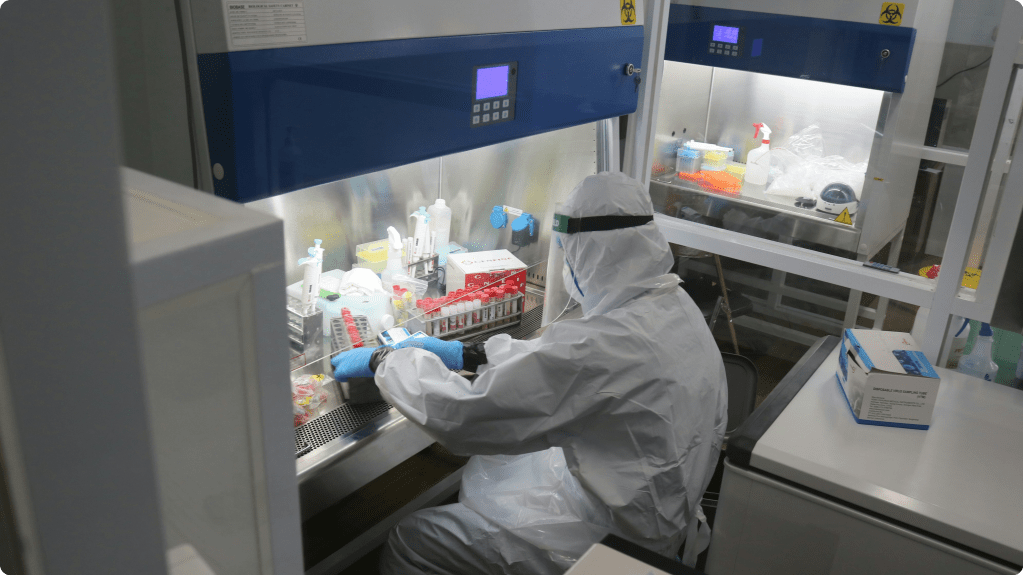
Follows transfection, where cells that have successfully integrated the transgene are identified and enriched. This typically involves culturing cells in selective media containing agents (such as methotrexate, methionine sulfoximine, or antibiotics) that only allow survival of cells expressing the selection marker. Some platforms incorporate gene amplification steps where increasing concentrations of selective agents drive amplification of the integrated transgene, potentially increasing productivity through higher gene copy number.
Single cell cloning
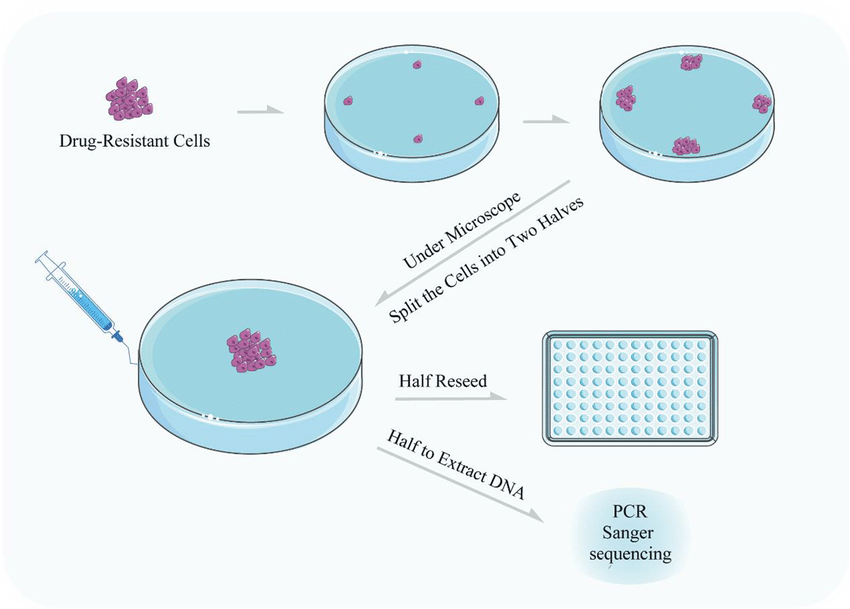
Represents a critical stage where individual cells are isolated and expanded into clonal populations. Clonality is essential both for regulatory reasons (ensuring a defined, reproducible manufacturing process) and for productivity optimization (selecting the highest producing individual clone). Multiple cloning technologies are employed including limiting dilution, fluorescence-activated cell sorting (FACS), and automated single-cell dispensing systems. Many programs perform multiple rounds of cloning to ensure clonality and to identify the optimal balance of productivity, growth, and stability.
Image source: Wu, Fujian & Guo, Tianwei & Sun, Lixiang & Li, Furong & Yang, Xiaofei. (2022). Base Editing of Human Pluripotent Stem Cells for Modeling Long QT Syndrome. Stem Cell Reviews and Reports. 18. 10.1007/s12015-021-10324-6.
Clone screening and selection

Involves characterizing hundreds to thousands of clones for key attributes including specific productivity (picograms of product per cell per day), growth characteristics, metabolic profile, and preliminary product quality assessment. High-throughput screening platforms using automated liquid handling, miniaturized culture systems, and rapid analytics enable efficient clone characterization. The screening strategy must balance throughput (testing many clones to increase probability of identifying exceptional producers) with depth of characterization (ensuring selected clones have appropriate manufacturability characteristics).
Cell line stability studies

Assess whether selected clones maintain productivity and product quality over extended culture periods representing commercial manufacturing campaigns. Regulatory agencies typically require demonstration of stability over at least 60 population doublings, often extended to 90-120 doublings for commercial cell lines. Stability assessment includes monitoring productivity, product quality attributes, growth characteristics, and genetic stability. Clones exhibiting productivity decline or quality drift are rejected, necessitating evaluation of alternative candidates.
Master cell bank generation
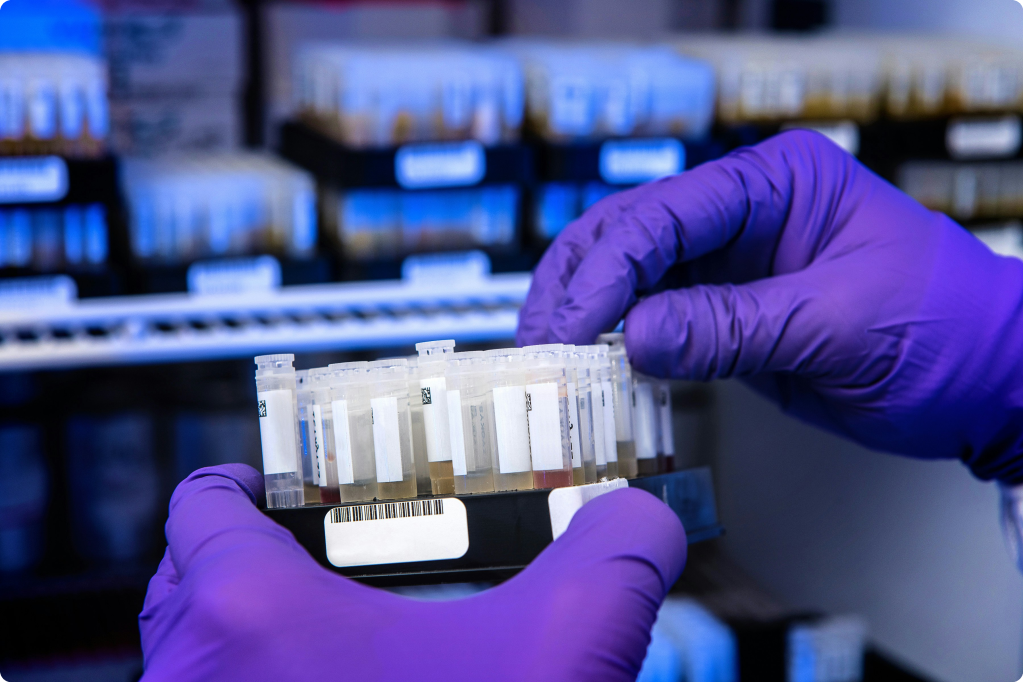
Represents the final stage where the selected clone is expanded and cryopreserved in a validated master cell bank (MCB) that serves as the source material for all subsequent manufacturing. The MCB undergoes comprehensive characterization including identity testing, purity assessment, sterility and mycoplasma testing, adventitious agent testing, and complete phenotypic and genotypic characterization. This extensively characterized MCB becomes the foundation for the entire product lifecycle, making cell line development decisions essentially irreversible once clinical development progresses.
Timeline and Resource Requirements
A typical cell line development program requires 6-12 months from gene sequence to characterized master cell bank, representing a critical path activity in biologics development timelines. This duration reflects the inherent biological constraints of cell culture (finite cell doubling times), the need for multiple selection and cloning rounds, and the extended stability assessment periods.
The resource requirements for cell line development are substantial, involving specialized facilities with appropriate biosafety containment, sophisticated analytical instrumentation for clone screening and characterization, extensive cell culture capacity for maintaining and evaluating multiple clones, and highly trained personnel with expertise in molecular biology, cell culture, and analytical characterization.
Organizations face strategic decisions regarding internal cell line development capabilities versus outsourcing to specialized service providers. Internal development offers greater control and potential intellectual property advantages but requires significant capital investment and expertise. Outsourcing provides access to specialized platforms and experienced personnel but may involve technology transfer challenges and dependency on external partners for this critical activity.
Host Cell Systems: Technology Platforms and Market Segmentation
The choice of host cell system fundamentally shapes cell line development strategy, manufacturing economics, and product characteristics. Understanding the competitive landscape among host cell platforms is essential for technical decision-making and for investors evaluating platform technology companies.
Chinese Hamster Ovary (CHO) Cells: Market Dominant Platform
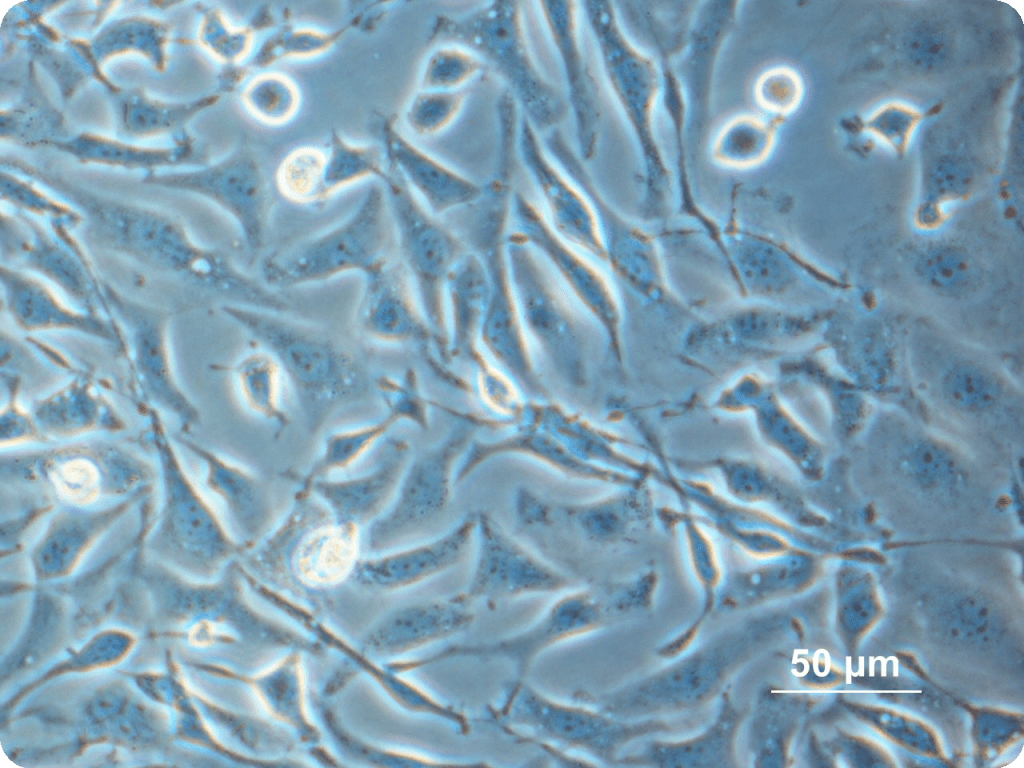
CHO cells represent the overwhelmingly dominant platform for therapeutic protein production, accounting for over 70% of approved biologics and a similar proportion of the cell line development services market. This dominance reflects several factors including extensive regulatory precedent dating to the 1980s, well-characterized biology and manufacturability, appropriate human-like glycosylation supporting product efficacy and safety, and decades of platform optimization by both research institutions and commercial entities.
Multiple CHO cell line variants exist, each with distinct characteristics. CHO-DG44 cells, deficient in dihydrofolate reductase (DHFR), enable methotrexate-based selection and gene amplification. CHO-K1 and derivatives represent the parental strain from which most variants descend. CHO-S cells adapted to suspension culture offer advantages for scalable manufacturing. CHOZN and other proprietary variants developed by platform companies incorporate specific genetic modifications to enhance productivity or other characteristics.
From a market perspective, CHO cell line development services command the largest market share and relatively stable pricing given competitive intensity among numerous capable service providers. However, providers with proprietary CHO platform technologies offering superior productivity, reduced development timelines, or enhanced product quality can command premium pricing. The extensive regulatory precedent for CHO cells reduces risk for customers, supporting market stability but also limiting opportunities for dramatic market share shifts absent significant technological breakthroughs.
Human Cell Lines: Growing Segment with Technical Advantages
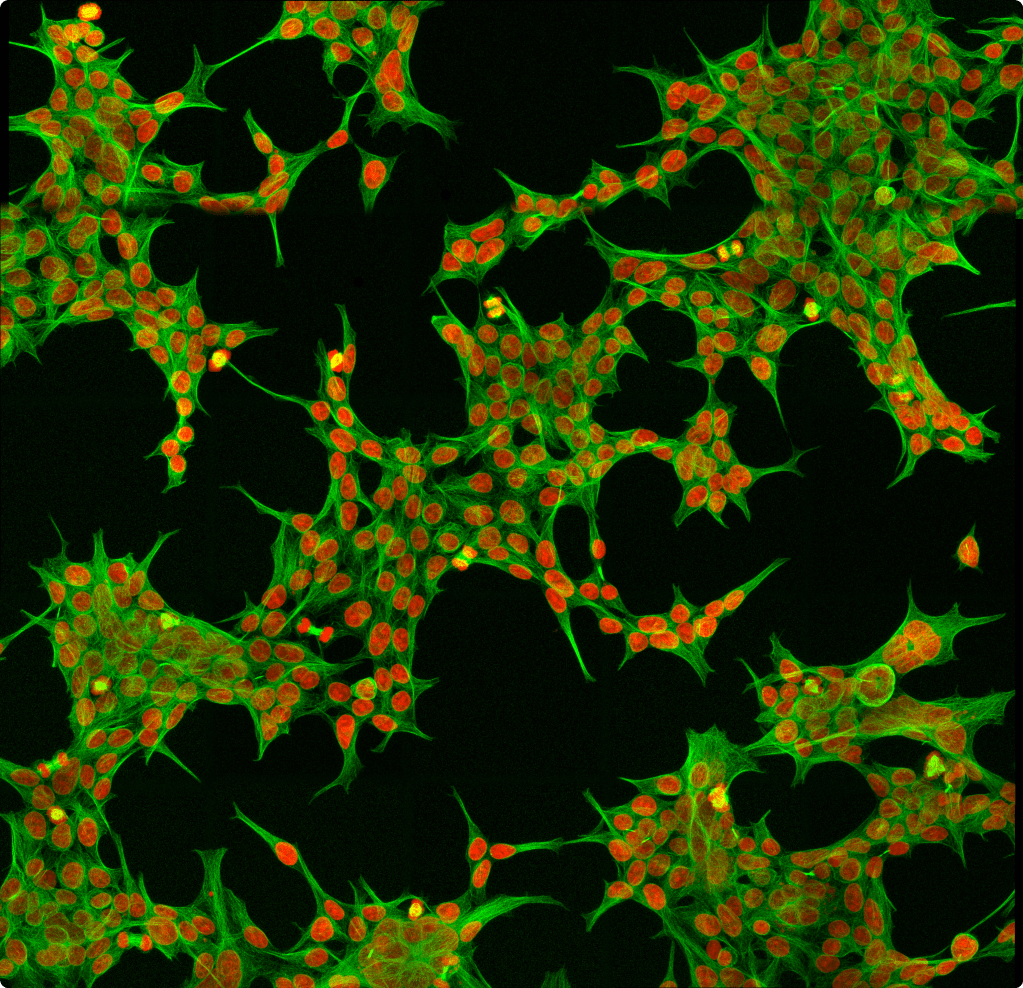
Human cell lines including HEK293 (human embryonic kidney) and PER.C6 (retinal-derived) are gaining market share driven by several technical advantages. Human cells produce authentically human glycosylation patterns, potentially offering advantages for products where glycosylation affects efficacy, immunogenicity, or pharmacokinetics. Some therapeutic proteins exhibit better expression or superior product quality in human cells compared to CHO cells. The risk of non-human post-translational modifications (such as the immunogenic N-glycolylneuraminic acid or Neu5Gc found in CHO cells) is eliminated in human cell systems.
However, human cell lines face challenges that have limited adoption. Regulatory precedent is less extensive than CHO cells, potentially increasing development risk and timelines. Some human cell lines grow as adherent cultures rather than suspension, complicating large-scale manufacturing. Concerns about potential human viral contamination necessitate additional testing and control measures. The market for human cell line development services is smaller than CHO but growing faster, creating opportunities for specialized service providers and platform technology companies.
Platform companies offering proprietary human cell lines include Crucell (PER.C6 technology, now part of Johnson & Johnson), Lonza (GS Xceed platform), and others. These proprietary platforms can command licensing fees and premium service pricing based on technical advantages, though customers must evaluate the trade-off between technical benefits and the less extensive regulatory precedent compared to CHO systems.
Alternative Expression Systems: Niche Applications
E. coli and Other Microbial Systems
Remain important for specific products including insulin, growth hormone, and various enzymes. These systems offer rapid development timelines, simple manufacturing processes, and favorable economics for products that don’t require mammalian post-translational modifications. However, the lack of appropriate glycosylation machinery limits applicability to many modern biologics. The market for microbial cell line development is mature with limited growth but stable demand tied to specific product categories and biosimilars of proteins originally developed in bacterial systems.
Yeast Expression Systems
Offer a middle ground between bacterial and mammalian systems, providing eukaryotic protein folding and limited glycosylation capabilities with simpler manufacturing than mammalian cells. Some therapeutic proteins including insulin analogs, virus-like particle vaccines, and enzymes are successfully produced in yeast systems. The market for yeast-based cell line development is small but may grow with advances in glycoengineering enabling more human-like glycosylation in yeast hosts.
Insect Cell Systems Using Baculovirus Expression
Offer high productivity and are particularly valuable for virus-like particle vaccines and certain complex proteins. The FluBlok influenza vaccine and Cervarix HPV vaccine utilize insect cell production. However, the different glycosylation patterns compared to human cells limit broader applicability. The market segment is specialized, tied primarily to vaccine applications and specific protein types.
Plant Cell Systems
Represent an emerging platform with potential advantages including scalability, absence of human pathogen contamination risk, and favorable manufacturing economics. However, plant-specific glycosylation patterns, limited regulatory precedent, and technical challenges have constrained commercialization. The market remains small with most activity in research and early development rather than commercial manufacturing.
Market Dynamics and Growth Drivers
The cell line development market is experiencing robust growth driven by multiple converging factors creating a compelling investment thesis alongside technical imperatives for biologics developers.
Biologics Pipeline Expansion
The fundamental driver of cell line development demand is the expanding pipeline of biologic therapeutics. Over 150 monoclonal antibodies are in late-stage development globally, each requiring cell line development. Bispecific antibodies, antibody-drug conjugates, fusion proteins, and other novel formats are proliferating, often requiring specialized cell line development approaches. The total biologics pipeline exceeds 1,000 candidates in clinical development, creating sustained demand for cell line development services extending years into the future.
The correlation between biologics pipeline activity and cell line development demand is direct and predictable. Each IND filing requires a characterized cell line and master cell bank. Programs advancing from preclinical to clinical development create immediate cell line development needs, typically 12-18 months before IND filing to allow for cell line development, process development, and clinical material manufacturing.
From an investor perspective, the biologics pipeline provides visibility into future cell line development demand. Public disclosures of preclinical programs, partnerships, and clinical trial initiations enable forward projection of market demand with reasonable accuracy. This predictability is attractive for investment analysis and valuation.
Biosimilars Market Impact
Biosimilars development represents an additional demand driver with distinct characteristics from novel biologics. As biologics patents expire, dozens of companies globally are developing biosimilar versions, each requiring independent cell line development. Unlike small molecule generics that rely on chemical synthesis, biosimilars cannot simply copy the originator’s manufacturing process and must develop independent cell lines and processes.
The global biosimilars market is projected to exceed $50 billion by 2030, with hundreds of biosimilar candidates in development. Major biosimilar targets include adalimumab (Humira), bevacizumab (Avastin), rituximab (Rituxan), trastuzumab (Herceptin), and other blockbuster biologics losing patent protection. Each biosimilar program requires cell line development, creating substantial incremental market demand.
The biosimilars segment has distinct market dynamics compared to novel biologics. Cost sensitivity is higher given the competitive pricing pressure in biosimilars markets, potentially constraining cell line development budgets. Development timelines may be compressed given the regulatory pathway, creating demand for rapid cell line development services. Customers may prioritize platform technologies with extensive regulatory precedent to reduce approval risk.
For cell line development service providers, biosimilars represent significant market opportunity but may require different commercial strategies including competitive pricing, emphasis on speed and cost-efficiency, and focus on cell line platforms with extensive regulatory history.
Cell and Gene Therapy Impact
While cell and gene therapies often utilize different manufacturing paradigms than traditional biologics, certain segments create cell line development demand. Viral vector production for gene therapies often utilizes producer cell lines requiring development and optimization. Some cell therapy products incorporate genetically modified cells requiring stable cell line generation.
The technical requirements for cell and gene therapy cell line development often differ from traditional biologics, requiring specialized expertise and capabilities. Producer cell lines for AAV, lentiviral, or retroviral vectors face unique challenges including vector titer optimization, minimizing empty capsid or replication-competent virus formation, and ensuring appropriate post-translational modifications of viral proteins.
This segment represents a smaller but fast-growing portion of the cell line development market, with specialized service providers targeting this space. The technical complexity and specialized requirements support premium pricing, while the expanding cell and gene therapy pipeline creates sustained growth opportunities.
Geographic Market Expansion
While North America and Europe currently account for the majority of cell line development spending, Asia-Pacific markets are experiencing rapid growth. China, in particular, has seen explosive growth in biologics development, with hundreds of companies pursuing both novel biologics and biosimilars. This has created substantial cell line development demand, with both local service providers and multinational companies expanding capacity in the region.
The Chinese market presents distinct characteristics including aggressive pricing competition, preference for local service providers in some cases, regulatory requirements for local development work in certain scenarios, and rapid market evolution. Service providers successfully competing in China often require local presence, competitive pricing, and understanding of local regulatory requirements.
India, South Korea, and other Asia-Pacific markets also show strong growth in biologics development and associated cell line development demand. For multinational service providers, geographic expansion into these markets offers growth opportunities but requires appropriate investment in local capabilities and navigation of different competitive dynamics than established Western markets.
Competitive Landscape and Market Structure
The cell line development services market exhibits moderate consolidation with several large, integrated providers alongside numerous specialized companies. Understanding competitive positioning is essential for both service providers developing strategies and investors evaluating opportunities.
Major Integrated Service Providers
Several large contract development and manufacturing organizations (CDMOs) offer comprehensive cell line development services integrated with process development, analytical development, and clinical/commercial manufacturing capabilities. These integrated providers include Lonza, which through proprietary platforms (GS Xceed, GS Knockout) and extensive manufacturing network represents one of the largest cell line development providers globally. Samsung Biologics has built substantial cell line development capacity supporting its large-scale manufacturing business. WuXi Biologics offers integrated services from cell line development through commercial manufacturing, particularly strong in Asian markets. Boehringer Ingelheim’s BioXcellence platform provides integrated capabilities backed by extensive manufacturing capacity.
These large, integrated providers benefit from several competitive advantages. The ability to offer seamless progression from cell line development through manufacturing creates significant customer value and switching costs. Manufacturing capacity commitment creates incentive to use the provider’s cell line development services to simplify technology transfer. Global presence and extensive regulatory experience provide confidence for risk-averse customers. Financial resources enable investment in platform technologies and capacity expansion.
However, integrated providers may face challenges including organizational complexity potentially impacting responsiveness and service quality, potential conflicts between maximizing cell line development revenue and securing manufacturing contracts, and premium pricing that may disadvantage them for cost-sensitive biosimilars work.
From an investor perspective, integrated CDMOs with strong cell line development capabilities represent substantial market opportunities given the recurring revenue from manufacturing that follows successful cell line development. However, these businesses require significant capital investment and face execution challenges in managing complex, global operations.
Specialized Cell Line Development Companies
Numerous companies focus specifically on cell line development services without integrated manufacturing operations. These specialists often differentiate through proprietary platform technologies, deep expertise in specific host systems or therapeutic modalities, exceptional service quality and timelines, or focus on specific customer segments (emerging biotech, biosimilars, etc.).
Examples include Selexis, offering proprietary SURE technology platform promising high productivity and rapid timelines. ATUM (formerly DNA2.0) provides specialized services including difficult-to-express proteins. AbCellera focuses on antibody discovery with integrated cell line development. Numerous smaller, regional providers serve local markets or niche segments.
Specialized providers can achieve several advantages over larger, integrated competitors. Focus on cell line development enables deep expertise and potentially superior technical capabilities. Flexibility and responsiveness often exceed that of larger organizations. Willingness to work with customers’ preferred manufacturing partners avoids potential conflicts. Lower overhead can enable competitive pricing while maintaining healthy margins.
However, specialists face challenges including limited ability to offer integrated services from development through manufacturing, potentially smaller customer base given lack of manufacturing capacity to secure business, and financial constraints limiting investment in platform technologies and geographic expansion.
For investors, specialized cell line development companies may represent attractive acquisition targets for larger CDMOs seeking to enhance technical capabilities, or consolidation opportunities to create larger specialized platforms with greater market presence and improved economics.
Platform Technology Companies
Some companies focus primarily on licensing proprietary cell line development technologies rather than providing services directly. These platform companies generate revenue through technology licensing fees, royalties on products developed using their platforms, and potentially service revenue from providing platform access on a project basis.
Lonza’s GS Xceed platform is licensed to third parties alongside Lonza’s internal service offerings. Selexis licenses its SURE platform to biopharmaceutical companies for internal use. Various academic and research institutions license platform technologies to commercial entities.
Platform technology companies face unique business model considerations. Licensing revenue can be substantial for successful platforms but is typically concentrated among few customers. Royalty structures create long-term revenue but often at lower rates than service revenue. Platform success depends on demonstrating clear technical advantages justifying licensing fees and royalties. Competition from in-house platforms developed by large pharmaceutical companies can limit market opportunity.
From an investment perspective, platform technology companies with strong intellectual property positions and demonstrated technical advantages can generate attractive returns with relatively capital-efficient business models. However, customer concentration, dependence on continued platform competitiveness, and challenges in transitioning customers from competitor platforms create risk factors requiring careful evaluation.
Technology Trends Shaping the Market
Several technological advances are reshaping cell line development workflows, competitive dynamics, and market opportunities. Understanding these trends is essential for both technical practitioners and investors evaluating the sector.
Automation and High-Throughput Screening

Increasing automation of cell line development workflows through robotic liquid handling, automated colony picking, high-throughput analytical characterization, and integrated data management systems is reducing timelines, improving reproducibility, and enabling more comprehensive clone screening. Service providers investing in automation can achieve higher throughput, better utilization of specialized personnel, and potentially superior results through more extensive clone evaluation.
The capital investment required for comprehensive automation platforms (often $2-5 million or more) creates barriers to entry favoring larger, established providers. However, the productivity improvements and quality advantages can justify the investment, creating competitive differentiation. For investors, service providers with modern, highly automated platforms may command premium valuations based on superior operational efficiency and scalability.
Genomic Engineering and Gene Editing
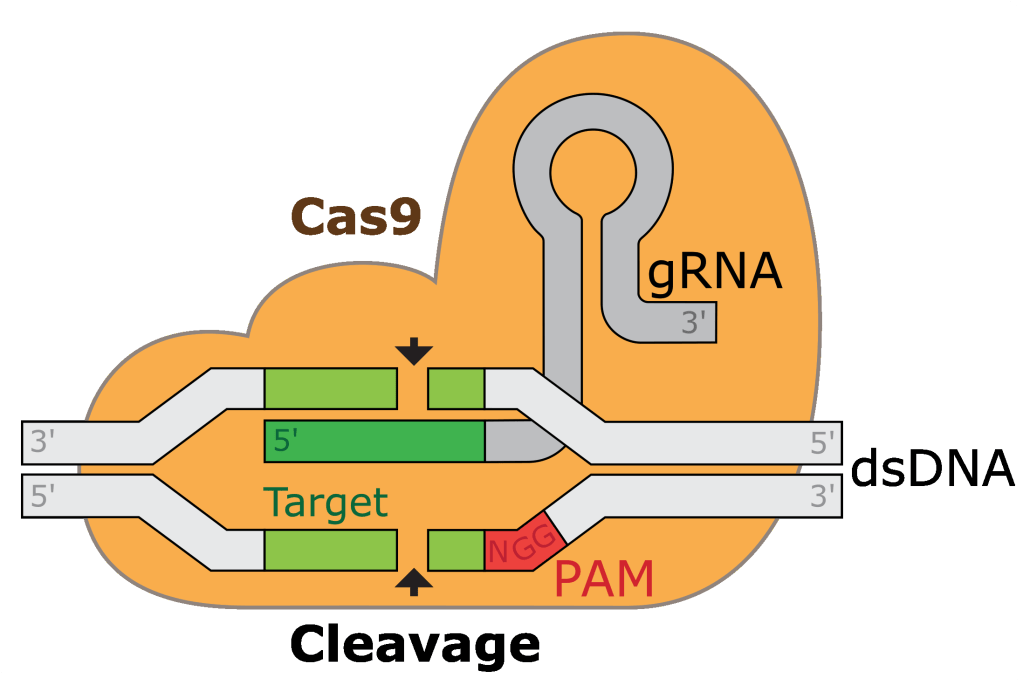
CRISPR-Cas9 and other gene editing technologies enable precise modification of host cell genomes to enhance productivity, improve product quality, or simplify clone selection. Applications include knockout of competing endogenous genes, targeted transgene integration into transcriptionally active genomic loci, elimination of undesired glycosylation enzymes, and enhancement of metabolic pathways supporting protein production.
Several companies are developing next-generation cell line development platforms incorporating gene editing. The potential advantages include higher productivity from optimized genomic integration, more predictable cell line performance, reduced development timelines through simplified selection processes, and potential elimination of gene amplification steps.
However, gene editing-based platforms face regulatory considerations given the genetic modification of host cells. While regulatory agencies have not indicated concerns for production cell lines (as opposed to gene therapies administered to patients), the relative novelty may create perceived risk for some customers. Platform companies successfully demonstrating regulatory acceptance of gene-edited cell lines could gain significant competitive advantages.
Improved Glycosylation Control
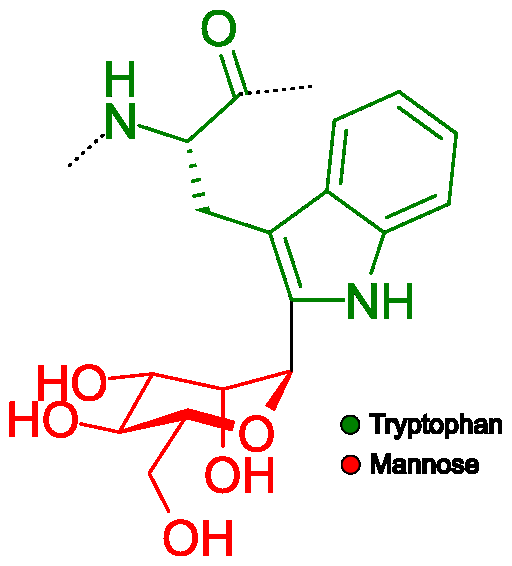
Glycosylation patterns profoundly affect therapeutic protein properties including efficacy, half-life, and immunogenicity. Advances in understanding and controlling glycosylation are enabling development of cell lines producing more uniform, optimized glycosylation profiles. Approaches include glycoengineering of host cells through knockout or overexpression of specific glycosyltransferases, development of defined media formulations that influence glycosylation, and selection strategies that prioritize appropriate glycosylation alongside productivity.
Certain therapeutic applications particularly benefit from glycosylation control. Antibody-dependent cellular cytotoxicity (ADCC) can be enhanced through specific glycosylation modifications. Half-life extension through modification of Fc glycosylation creates differentiation opportunities. Reduction of immunogenic glycoforms improves safety profiles.
Platform companies offering superior glycosylation control capabilities can command premium pricing in specific therapeutic categories. The technical complexity creates competitive moats, while the ability to enhance product performance creates clear value propositions justifying premium pricing.
Analytics and Artificial Intelligence
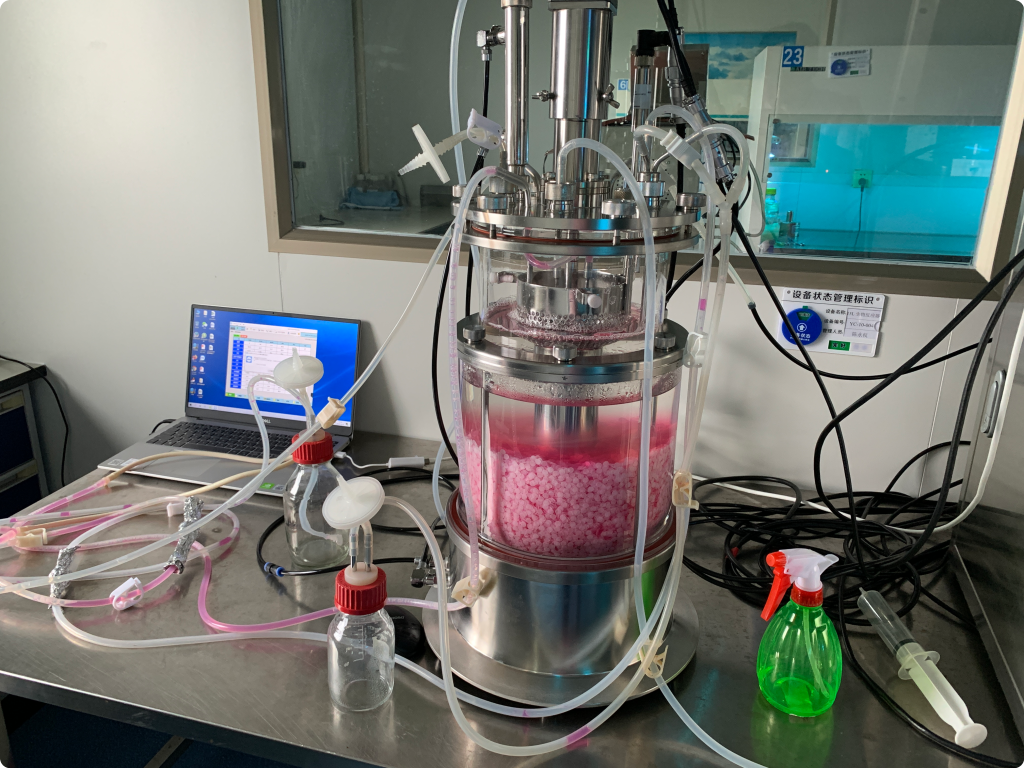
Advanced analytics and machine learning are being applied to multiple aspects of cell line development including predicting high-producing clones from early-stage data, optimizing culture conditions through analysis of metabolic profiles, predicting stability from genetic and phenotypic characterization, and identifying genetic signatures associated with superior manufacturing characteristics.
While AI applications in cell line development remain relatively early stage compared to other areas of drug development, the potential to reduce timelines, improve success rates, and enhance clone selection creates significant opportunities. Service providers successfully implementing AI-enabled workflows could achieve competitive advantages through faster timelines or more consistent identification of optimal clones.
However, the application of AI requires substantial datasets for training models, creating advantages for larger organizations with extensive historical data. The “black box” nature of some AI predictions may create regulatory questions requiring careful navigation.
Business Models and Pricing Dynamics
Understanding cell line development business models and pricing structures is essential for both customers negotiating contracts and investors evaluating service providers.
Fee-for-Service Model
The traditional business model for cell line development services involves fee-for-service arrangements where customers pay defined amounts for specific deliverables. Typical pricing ranges from $200,000 to $600,000+ for a complete cell line development program including clone generation, screening, stability assessment, and master cell bank generation. Pricing varies based on platform technology (proprietary platforms command premiums), timeline requirements (expedited programs cost more), scope of characterization, complexity of the therapeutic protein, and customer volume.
This model provides predictable revenue for service providers and clear cost structure for customers. However, it decouples service provider financial success from ultimate product success, potentially creating misaligned incentives. The pricing is often front-loaded with majority of revenue recognized during active development period rather than extending throughout product lifecycle.
Success-Based Pricing and Royalties
Some arrangements incorporate success-based elements including reduced upfront fees with royalties on product sales, milestone payments tied to clinical development progression, manufacturing commitments or preferential pricing from integrated CDMOs, or licensing fees for proprietary platform technologies.
Success-based models create alignment between service provider and customer financial outcomes, potentially justifying reduced upfront costs that may be attractive for resource-constrained biotech companies. They provide service providers with participation in product success, creating substantial upside for breakthrough products. For integrated CDMOs, cell line development may be priced aggressively to secure higher-margin manufacturing revenue.
However, success-based models create revenue uncertainty and longer time to full value realization. They require careful negotiation around royalty rates, milestone definitions, and other terms. The administrative burden of tracking and collecting royalties or milestone payments over extended periods can be substantial.
From an investor perspective, service providers with significant royalty or milestone revenue streams may command premium valuations based on the recurring, product-lifecycle-spanning revenue. However, the uncertainty and long duration before full value realization must be appropriately considered.
Platform Licensing Model
Platform technology companies may license proprietary technologies to biopharmaceutical companies for internal use, generating revenue through upfront licensing fees, annual technology access fees, per-project fees for platform use, and royalties on products developed using the platform.
This model can be highly capital-efficient with limited service delivery requirements if technology is licensed for customer internal use. Successful platforms can generate substantial revenue from relatively few customers. The relationship with licensed customers may be long-term and stable.
However, licensing revenue tends to be concentrated among limited customers, creating revenue volatility if key licenses are not renewed. Customers may eventually develop internal alternatives to licensed platforms, creating attrition risk. Demonstrating platform value to justify licensing fees requires clear technical advantages and strong intellectual property positions.
Investment Considerations and Strategic Outlook
For investors evaluating opportunities in the cell line development market, several factors merit consideration in assessing overall market attractiveness and specific investment opportunities.
Market Growth and Sustainability
The fundamental growth drivers for cell line development are robust and sustainable over multi-year horizons. Biologics pipeline expansion creates direct demand correlation with substantial visibility. Biosimilars provide incremental growth layer with long runway as major biologics lose patent protection. Cell and gene therapy emergence creates new demand segments with premium pricing. Geographic expansion opens new markets with faster growth rates than mature Western markets.
The market is relatively resilient to economic cycles given that cell line development represents essential enabling activity for biologics programs. Companies are unlikely to defer cell line development for programs already in development, as the timeline impact of delays often outweighs short-term cost savings.
However, investors should recognize that the market is ultimately dependent on continued investment in biologics development. Significant contraction in biotech funding, major safety issues affecting biologics broadly, or other factors materially impacting biologics development could reduce cell line development demand. The market also faces potential long-term disruption from radically different manufacturing paradigms (cell-free protein synthesis, etc.), though such disruption appears unlikely in near-to-medium term.
Competitive Positioning and Moats
The cell line development market exhibits moderate barriers to entry through technical expertise requirements, capital investment needs, regulatory track record value, and customer switching costs. However, these barriers are not insurmountable, and the market includes numerous capable competitors limiting pricing power absent clear differentiation.
Service providers or platform companies with sustainable competitive advantages command premium valuations. Key differentiators include proprietary platform technologies with demonstrated technical advantages and strong IP protection, integrated CDMO capabilities creating switching costs through manufacturing relationships, extensive regulatory experience and track record, automation and scale enabling cost advantages, and specialized expertise in high-growth segments like cell and gene therapy.
Investors should carefully evaluate claimed differentiation, as technical advantages can be difficult for non-experts to assess and may not translate to meaningful pricing power or market share gains. Evidence of differentiation includes premium pricing relative to competitors, high customer retention rates, growing market share, and strong financial performance.
Financial Characteristics and Valuations
Cell line development service providers typically exhibit financial characteristics including moderate capital intensity (specialized facilities and equipment required but not on scale of manufacturing operations), healthy gross margins for established providers (40-60% range), significant operating leverage as utilization increases (specialized personnel and facilities create high fixed costs), and moderate customer concentration given project-based nature.
Valuation multiples for cell line development companies vary based on multiple factors. Pure-play service providers may trade at 2-4x revenue or 10-15x EBITDA depending on growth rate, profitability, and competitive positioning. Integrated CDMOs with cell line development capabilities typically trade at premium multiples reflecting the higher-margin manufacturing revenue and recurring customer relationships. Platform technology companies may command premium valuations if successful in demonstrating technical advantages and securing licensing relationships, though limited comparable transactions make valuation challenging.
For private market transactions, valuations have been robust with strategic acquirers often willing to pay premium multiples for companies with differentiated capabilities, strong customer relationships, or strategic fit with acquiring company portfolios.
Strategic Considerations

The cell line development market is experiencing consolidation as larger CDMOs acquire specialized providers to enhance technical capabilities and as financial sponsors consolidate fragmented service providers to create larger platforms. This trend creates opportunities for investors in appropriately positioned companies.
Successful investment theses in the sector often involve acquiring companies with differentiated technical capabilities, strong customer relationships, presence in high-growth segments, experienced management teams, and operational improvement opportunities through investment in automation, geographic expansion, or commercial enhancement.
Exit opportunities include strategic sales to integrated CDMOs, consolidation with other cell line development providers backed by financial sponsors, and potentially public markets for larger, more diversified businesses. The robust M&A activity in the broader CDMO and life sciences services sectors creates favorable exit environment for quality assets.
Conclusion
Cell line development represents a critical enabler of the biologics industry, creating a specialized services and technology market characterized by technical complexity, sustained growth, and favorable competitive dynamics for well-positioned players. The market’s direct linkage to biologics development pipelines provides visibility and predictability attractive for both service providers and investors.
For technical professionals in biologics development, understanding cell line development processes, platform technologies, and service provider capabilities is essential for program success. The decisions made during cell line development profoundly impact manufacturing economics, product quality, and timeline to market, justifying careful evaluation of internal capabilities versus outsourcing and thoughtful selection of platforms and partners.
For business strategists and investors, the cell line development market offers compelling opportunities driven by mandatory demand, technical barriers supporting margins, recurring relationships with customers, and alignment with the broader biologics growth trajectory. The market structure creates opportunities for both large, integrated platforms and specialized providers with differentiated capabilities.
Organizations that combine technical excellence with operational efficiency, invest in platform technologies and automation, maintain focus on customer needs and service quality, and position strategically within high-growth segments will be best positioned to succeed in this dynamic market whether as service providers capturing market opportunities or as investors generating attractive returns.

About The Author
Thomas Fraleigh has over 20 years of experience in the life sciences industry. His expertise spans manufacturing, quality control, regulatory and business development. He is the Founder and Principle Consultant for Terraforme Biosciences, working with investors and operators to change the life sciences landscape.
Published: 2025-June-05
Last Updated: 2025-June-05
Reading Time: 32 minutes
Ready to optimize your biologics development strategy?
Our team combines deep technical expertise in cell line development with strategic insight into service provider capabilities, platform technologies, and market dynamics. Whether you’re evaluating internal versus outsourced development, selecting platform technologies, or assessing investment opportunities in the cell line development sector, we provide the technical depth and business acumen to support informed decision-making.
 Terraforme Biosciences