



The Calibration and Qualification Services Market: An Investor’s Guide to Pharma’s Essential Infrastructure
Introduction
In the pharmaceutical and life sciences industries, the reliability of every measurement, the accuracy of every instrument, and the validity of every environmental control can mean the difference between product approval and rejection, patient safety and harm, compliance and warning letters. Behind the scenes of drug development and manufacturing operates a critical infrastructure of calibration and qualification services—the picks and shovels of pharmaceutical production—that ensures equipment performs as intended and regulatory requirements are met.
The global calibration services market was valued between $6.2-7.3 billion in 2024, with projections reaching $9.2-11.6 billion by 2030, representing a compound annual growth rate (CAGR) of 4.5-8% depending on market segment and geography. Within this broader market, medical equipment calibration services alone exceeded $1.46 billion in 2023 and are expected to grow at 12.3% CAGR through 2030, driven by stringent pharmaceutical regulations, expanding biologics manufacturing, and the increasing complexity of analytical instrumentation.
For investors exploring ancillary services to the pharmaceutical industry, the calibration and qualification sector offers compelling characteristics including mandatory, recurring revenue tied to regulatory compliance, significant barriers to entry through accreditation requirements and technical expertise, and direct exposure to pharmaceutical industry growth without the binary risks of drug development. This comprehensive guide examines the service types, operational models, accreditation landscape, competitive dynamics, and investment considerations defining this essential but often overlooked market segment.
Key Takeaways
- Calibration services represent mandatory, non-discretionary spending for pharmaceutical manufacturers driven by FDA and global regulatory requirements
- ISO/IEC 17025 accreditation serves as both a market entry requirement and competitive differentiator, creating sustainable barriers to entry
- Service delivery models span in-house laboratory operations, field service fleets, and hybrid approaches, each with distinct economics and scalability characteristics
- Temperature mapping and qualification services (IQ/OQ/PQ) complement core calibration, expanding total addressable market and customer lifetime value
- Market consolidation is creating larger, more capable providers while specialized regional players serve niche segments
Understanding Calibration and Qualification Services
Calibration is the documented process of comparing a measurement instrument or system against a standard of known accuracy to identify and quantify any deviations. When a balance, HPLC system, incubator, or any other critical pharmaceutical equipment is calibrated, technicians establish that the instrument provides accurate, reliable measurements that can be traced back to national or international standards such as those maintained by the National Institute of Standards and Technology (NIST).
Qualification services, in contrast, encompass the broader validation of pharmaceutical equipment, facilities, and processes to demonstrate they are suitable for their intended purpose and consistently operate within specified parameters. Qualification typically progresses through distinct phases known as Installation Qualification (IQ), Operational Qualification (OQ), and Performance Qualification (PQ), collectively ensuring equipment is properly installed, operates correctly, and performs reliably under production conditions.
The Regulatory Imperative
The demand for calibration and qualification services stems primarily from regulatory requirements rather than optional quality improvement initiatives. The FDA’s 21 CFR Part 211.68 explicitly requires that automated, mechanical, and electronic equipment be routinely calibrated, inspected, or checked according to a written program designed to assure proper performance. Similar requirements exist in European Union GMP regulations, WHO guidelines, and regulatory frameworks globally.
This creates a fundamentally different demand dynamic than many other business-to-business services. Pharmaceutical manufacturers cannot defer calibration to reduce costs during economic downturns without risking regulatory consequences. Annual calibration cycles must be maintained regardless of production volumes or company financial performance. Qualification of new equipment cannot be skipped or substantially reduced without jeopardizing product approval or manufacturing authorization.
From an investment perspective, this regulatory mandate translates to predictable, recurring revenue that is largely uncorrelated with broader economic cycles. While new facility construction and equipment installations create growth opportunities, the installed base of pharmaceutical manufacturing equipment generates stable baseline demand that provides revenue floors even during industry downturns.
Types of Calibration Services
The calibration services market can be segmented by the types of instruments and measurements being calibrated, each representing distinct technical requirements and market opportunities.
Chemical and Analytical Calibration
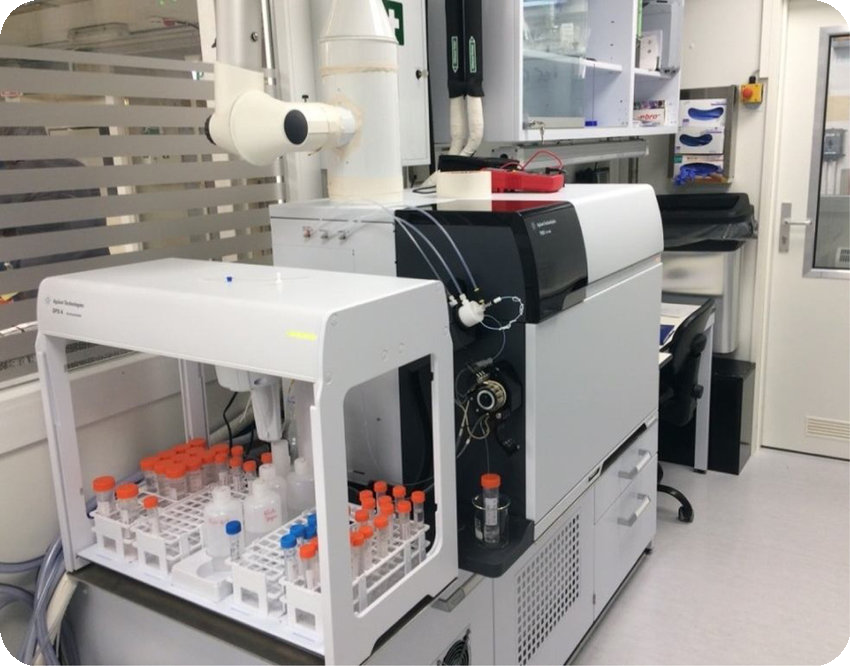
This segment encompasses calibration of complex laboratory analyzers to balances, analytical weights, pipettes, burettes, and related volumetric equipment used extensively in pharmaceutical quality control and manufacturing. The specialized requirements for analytical equipment create opportunities for focused service providers.
Pharmaceutical analytical laboratories typically require calibration services at least annually, with some critical equipment requiring more frequent calibration or verification. The expanding use of automated liquid handling systems, high-throughput screening equipment, and other sophisticated analytical platforms is driving growth in this segment.
Thermodynamic Calibration

Temperature and related thermodynamic calibrations represent critical services for pharmaceutical manufacturers given the temperature-sensitive nature of many drug products and the extensive use of temperature-controlled equipment including incubators, stability chambers, autoclaves, freezers, and refrigerators. This segment also encompasses pressure calibration for manufacturing equipment and HVAC systems.
Temperature calibration requires specialized equipment including temperature baths, dry block calibrators, temperature standards, and related instrumentation. The pharmaceutical industry’s stringent requirements for temperature control—particularly for biologics, vaccines, and other temperature-sensitive products—drive demand for regular calibration and create opportunities for specialized service providers with expertise in pharmaceutical applications.
Dimensional and Mechanical Calibration
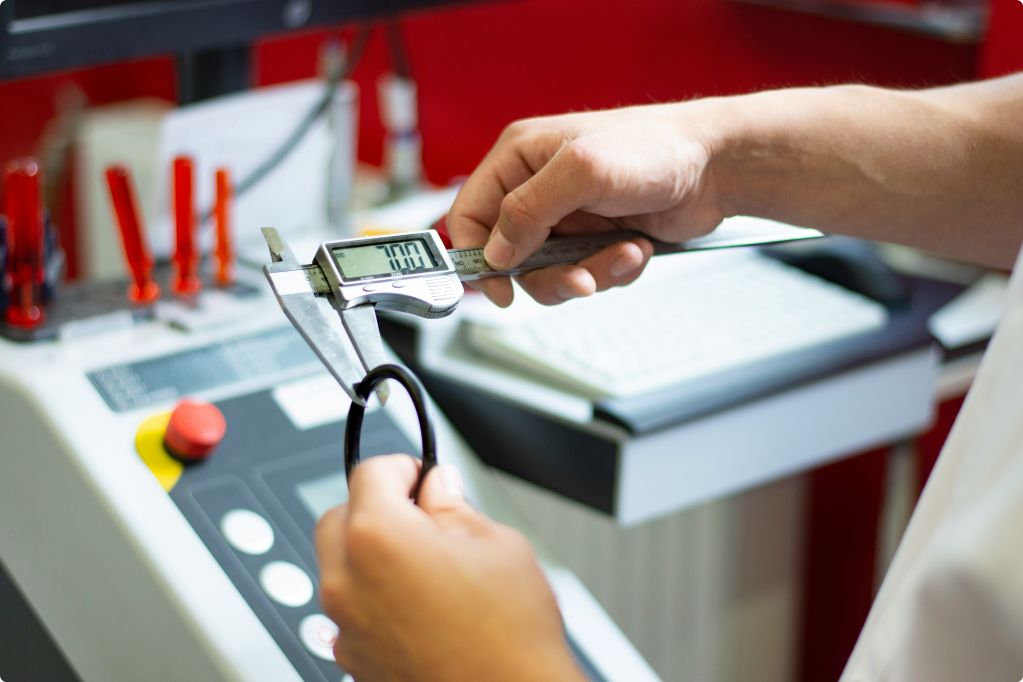
Dimensional calibration services focus on measurement devices including calipers, micrometers, gauges, hardness testers, and related mechanical measurement instruments. While perhaps less glamorous than analytical instrument calibration, dimensional calibration is essential for pharmaceutical manufacturing equipment, packaging operations, and quality control laboratories.
The capital requirements for dimensional calibration services are generally lower than for electronic calibration, with basic measurement standards and calibration artifacts representing more modest investment. This lower barrier to entry creates a more fragmented competitive landscape with numerous regional providers. However, the technical expertise required for proper calibration, particularly of specialized pharmaceutical equipment, still provides meaningful differentiation opportunities.
Qualification Services: IQ/OQ/PQ
Beyond calibration, qualification services represent a substantial and growing market opportunity. While related to calibration, qualification encompasses a broader scope of activities validating that pharmaceutical equipment, facilities, and processes are suitable for their intended use.
Installation Qualification (IQ)
Installation Qualification verifies that equipment has been properly delivered, installed, and configured according to manufacturer specifications or approved installation checklists. For physical equipment, this includes confirming correct installation location, utility connections, environmental conditions, and absence of damage. For software systems, IQ typically involves verifying folder structures, confirming minimum system requirements are met, and documenting configuration parameters.
The IQ process creates documented evidence that equipment has the necessary prerequisite conditions to function as expected, establishing the foundation for subsequent qualification phases. From a service provider perspective, IQ activities generate project-based revenue tied to new equipment installations and facility expansions. The timing of IQ services is relatively predictable based on pharmaceutical capital investment cycles and new facility construction, providing visibility into future demand.
Operational Qualification (OQ)
Operational Qualification involves identifying and testing equipment features and operational parameters that can impact final product quality. During OQ, equipment undergoes functional testing to verify it operates within specified ranges under various conditions, including worst-case scenarios. This phase identifies operational limits, potential failure modes, and appropriate process control parameters.
The FDA requires OQ to demonstrate that equipment operates correctly, with documented evidence of performance within design specifications. OQ testing must occur after successful IQ completion but before routine production use, creating sequential demand for qualification services. The technical complexity of OQ—requiring deep understanding of equipment functions, pharmaceutical processes, and appropriate testing methodologies—supports premium pricing for experienced service providers.
Performance Qualification (PQ)
Performance Qualification represents the final qualification phase, demonstrating that equipment consistently produces acceptable results under normal operating conditions. Unlike OQ which tests equipment capabilities under controlled conditions, PQ evaluates performance during actual production scenarios with real materials, trained operators, and routine procedures.
FDA recommends PQ protocols include manufacturing conditions, data collection plans, acceptance criteria for each test, extensive sampling plans, and criteria for making science and risk-based decisions about process efficacy. The comprehensive nature of PQ creates substantial service opportunities, particularly for complex pharmaceutical manufacturing processes including biologics production, sterile filling operations, and critical environmental systems.
Ongoing Verification vs. Full Qualification
Following initial equipment qualification, pharmaceutical manufacturers must demonstrate ongoing equipment suitability through periodic verification activities. The scope and frequency of requalification depend on risk assessment, equipment criticality, and change control considerations. Requalification is typically required after significant equipment modifications, major maintenance, or when deviations indicate potential impact on product quality.
This creates a recurring revenue stream distinct from calibration but similarly predictable and mandatory. The timing of requalification activities is more variable than annual calibration cycles but can be projected based on equipment lifecycle patterns and change management practices. For service providers, the installed base of qualified pharmaceutical equipment represents an annuity-like revenue stream with opportunities for expansion as equipment portfolios grow.
Temperature Mapping: A High-Value Specialized Service

Temperature mapping represents a specialized qualification service with distinct technical requirements and attractive market characteristics. The process involves identifying temperature distribution patterns and potential variations within temperature-controlled storage areas including warehouses, cold rooms, freezers, incubators, and transport vehicles.
Regulatory Drivers for Temperature Mapping
Temperature mapping is required for pharmaceutical manufacturers storing temperature-sensitive products, driven by FDA cGMP requirements and WHO guidelines. USP General Chapter <1079.4> provides specific guidance on temperature mapping procedures for pharmaceutical storage areas, while WHO Technical Report Series No. 961, Annex 9, Supplement 8 focuses specifically on temperature mapping requirements for time- and temperature-sensitive pharmaceutical products.
The increasing prevalence of biologics, vaccines, and other temperature-sensitive therapeutics is driving substantial growth in temperature mapping demand. Biologics manufacturing has exploded over the past decade, with these products often requiring storage between 2-8°C, creating mandatory temperature mapping requirements across manufacturing facilities, warehouses, and distribution networks.
Temperature Mapping Methodologies
A comprehensive temperature mapping study typically involves multiple days of continuous temperature monitoring using calibrated data loggers placed strategically throughout the space being mapped. Best practices recommend extended studies to capture two standard work weeks and two weekends, observing full shift rotations and any unexpected fluctuations. For smaller chambers such as laboratory fridges and freezers the study should include empty chamber, full chamber and studies examining how fast temperature recovers after door opening events.
The sensor placement strategy depends on the facility or equipment characteristics, with considerations including proximity to loading docks (drafts from door openings), HVAC equipment locations, windows and external walls (solar heat gain), high-traffic areas (air movement from personnel), and vertical temperature stratification in tall racking systems. Sensors should be placed in a grid pattern defined by industry best practices in a pre-determined arrangement in the study protocol.
Market Dynamics and Pricing
Temperature mapping represents a higher-value service than routine calibration, with projects typically ranging from $10,000 to $50,000+ depending on facility size, complexity, and scope. The specialized equipment required—including validated data loggers with NIST-traceable calibration and appropriate memory for extended studies—creates capital requirements that serve as barriers to entry.
WHO and various regulatory guidance recommend temperature mapping every 2-3 years for established facilities, with additional studies triggered by facility modifications, HVAC system changes, or introduction of new products with different temperature requirements. This creates a recurring revenue model with longer cycles than annual calibration but with substantially higher project values.
From an investment perspective, service providers with temperature mapping capabilities can offer comprehensive qualification packages encompassing calibration, IQ/OQ/PQ, and temperature mapping, increasing customer lifetime value and creating differentiation from calibration-only competitors. The specialized expertise required for proper temperature mapping study design, data analysis, and remediation recommendations supports premium pricing and higher margins than commodity calibration services.
Accreditation: ISO/IEC 17025 as Market Gatekeeper
ISO/IEC 17025 is the main international standard used by testing and calibration laboratories wanting to demonstrate their capacity to generate reliable results. This standard specifies general requirements for the competence, impartiality, and consistent operation of laboratories, covering both management requirements and technical requirements for calibration and testing activities.
ISO/IEC 17025 Requirements
The standard requires laboratories to demonstrate they operate competently and can generate valid results, with specific provisions for personnel competency, appropriate equipment and standards, validated methods, measurement uncertainty estimation, traceability to national/international standards, environmental controls, quality management systems, and document control and record keeping.
ISO/IEC 17025:2017, the current version released in 2017, introduced several significant changes from the previous 2005 version including a risk-based thinking approach to quality management, greater flexibility in documentation requirements, enhanced focus on impartiality, and clearer requirements for laboratory-developed methods.
Accreditation Process and Bodies
Unlike ISO 9001 where organizations can be “certified,” laboratories are “accredited” under ISO/IEC 17025 by national accreditation bodies. In the United States, several accreditation bodies serve calibration laboratories including the American Association for Laboratory Accreditation (A2LA), which is the largest accreditor of calibration laboratories in the US, the ANSI-ASQ National Accreditation Board (ANAB), International Accreditation Service (IAS), and National Voluntary Laboratory Accreditation Program (NVLAP).
These accreditation bodies are signatories to the International Laboratory Accreditation Cooperation (ILAC) Mutual Recognition Arrangement (MRA), enabling calibration certificates issued by laboratories accredited by one body to be accepted internationally without requiring additional testing. This global recognition is particularly valuable for pharmaceutical companies with international operations.
Competitive Implications of Accreditation
The accreditation requirement creates barriers to entry in the calibration services market. Achieving ISO/IEC 17025 accreditation typically requires 12-24 months and substantial investment including facility modifications to meet environmental requirements, procurement of appropriate reference standards and equipment, development of quality management system documentation, staff training and competency demonstration, method validation and measurement uncertainty analysis, and successful completion of proficiency testing.
Many pharmaceutical manufacturers and regulatory bodies will not accept calibration results from non-accredited laboratories, effectively making accreditation a prerequisite for market participation rather than a differentiator. However, the scope of accreditation matters significantly—laboratories are accredited for specific measurement types, ranges, and capabilities rather than general calibration services.
For investors, the accreditation landscape creates several important considerations. Established service providers with broad scope accreditations possess sustainable competitive advantages that are difficult for new entrants to replicate quickly. However, maintaining accreditation requires ongoing investment in equipment, training, proficiency testing, and surveillance audits, creating operating expense obligations that must be factored into financial models. Geographic expansion often requires separate accreditation for each laboratory location, creating barriers to rapid scaling but also protecting established regional players from distant competitors.
Operational Models and Service Delivery
Calibration and qualification service providers employ various operational models, each with distinct economics, scalability characteristics, and competitive positioning.
In-House Calibration Services
The traditional model involves receiving customer equipment at a fixed laboratory location where calibration is performed using reference standards, controlled environmental conditions, and trained technicians. Customers ship equipment to the laboratory, calibration is completed, and equipment is returned with calibration certificates documenting traceability and compliance.
Economics and Advantages
Fixed laboratory operations benefit from concentration of reference standards and calibration equipment, optimized workflow and throughput, controlled environmental conditions, and relatively predictable capacity utilization. The capital intensity is moderate, with major investments in reference standards, calibration equipment, environmental controls, and quality management systems. Operating leverage can be substantial as laboratory throughput increases given the fixed nature of many costs.
However, in-house laboratories face several limitations. Customer downtime while equipment is out for calibration can be substantial (1-3 weeks for typical turnaround), potentially impacting manufacturing operations. Logistics costs and complexity of receiving, tracking, calibrating, and returning equipment create operational challenges. Some equipment cannot be easily moved or requires in-situ calibration due to size, fragility, or installation characteristics.
Field Service Operations
Field service models involve deploying calibration technicians to customer sites with portable calibration standards and equipment. Technicians perform calibrations in situ, minimizing customer equipment downtime and eliminating shipping logistics. This model is particularly valuable for large equipment, installed systems, and customers requiring rapid turnaround.
Economics and Advantages
Field service operations can command premium pricing given the convenience and reduced downtime for customers. Incremental revenue from serving customers who cannot send equipment off-site expands addressable market. Relationship-building through on-site presence can increase customer retention and opportunities for additional services.
However, field services face distinct challenges. Capital requirements extend beyond reference standards to include portable calibration equipment, fleet vehicles, mobile communication systems, and field technician equipment packages. Labor costs are typically higher given travel time, complexity of managing distributed workforce, and premium compensation required for field technicians. Utilization optimization is more complex than fixed laboratory operations, with travel time between customer sites representing non-billable but necessary activities.
From an investment perspective, field service businesses often exhibit lower operating leverage than laboratory operations given higher variable costs but can achieve superior pricing and customer retention. The optimal model typically involves combination strategies where laboratories handle equipment that can be shipped while field services address in-situ requirements.
Hybrid and Integrated Models
Most sophisticated calibration service providers operate hybrid models combining fixed laboratories for equipment requiring controlled environments or specialized equipment with field service capabilities for in-situ calibration of installed systems. Many providers offer integrated packages encompassing calibration, qualification (IQ/OQ/PQ), temperature mapping, and related services, creating comprehensive solutions that increase customer lifetime value and strengthen relationships.
The economics of hybrid models are complex but potentially attractive. Cross-selling opportunities increase revenue per customer, with calibration services providing entry points for higher-value qualification projects. Comprehensive service offerings create switching costs as customers consolidate vendor relationships. Operational synergies exist in scheduling, customer relationships, and shared infrastructure.
However, integration requires broader technical expertise, more complex organizational structures, higher capital requirements spanning multiple service lines, and sophisticated systems for scheduling, quality management, and customer relationship management across diverse service types.
Market Dynamics and Growth Drivers
The calibration and qualification services market is experiencing robust growth driven by multiple converging factors creating a compelling investment thesis.
Pharmaceutical Industry Expansion

The fundamental driver is pharmaceutical manufacturing growth, with the global pharmaceutical market exceeding $1.4 trillion and continuing to expand. As pharmaceutical manufacturing capacity expands, the installed base of equipment requiring calibration and qualification grows proportionally, creating direct correlation between pharmaceutical industry investment and calibration services demand.
Biologics manufacturing represents the fastest-growing pharmaceutical segment, with complex manufacturing processes requiring extensive analytical characterization, environmental monitoring, and equipment qualification. Cell and gene therapies in particular are driving demand for specialized calibration and qualification services given stringent regulatory requirements and the critical nature of manufacturing controls.
Regulatory Intensification

Regulatory requirements for calibration and qualification are becoming more stringent globally. FDA inspections increasingly focus on equipment calibration, maintenance programs, and qualification documentation. The FDA’s emphasis on data integrity, reflected in guidance documents on computer systems validation and electronic records, is driving additional demand for qualification services.
Internationally, regulatory harmonization through ICH guidelines is raising calibration and qualification standards in emerging pharmaceutical markets. Countries including China, India, Brazil, and others are implementing more rigorous GMP requirements aligned with US and European standards, expanding the global market for calibration services.
Technology Advancement
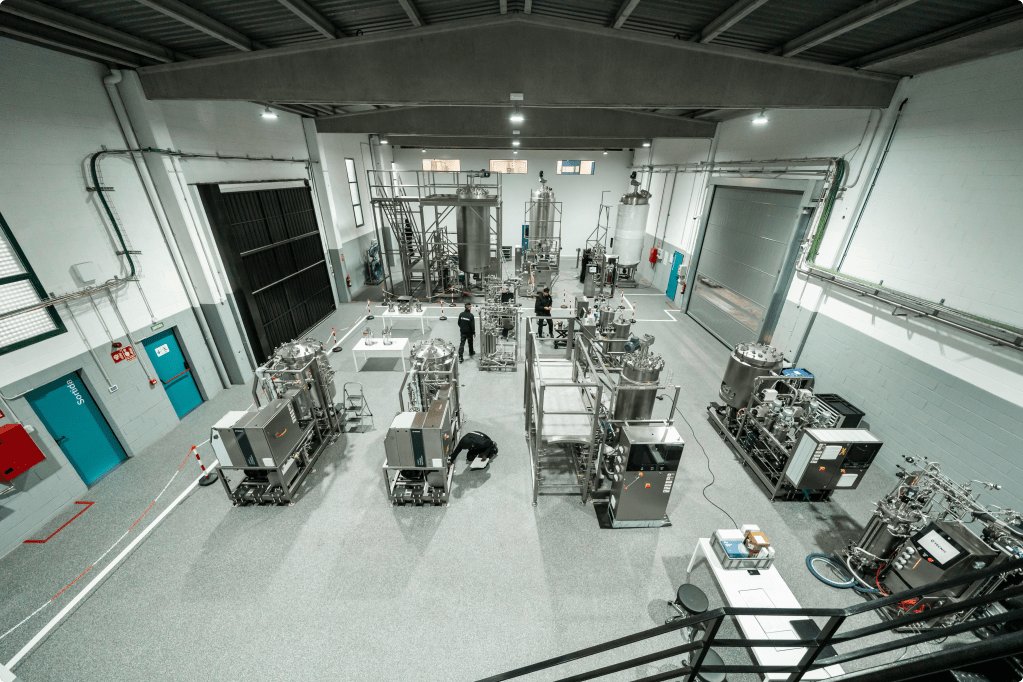
Pharmaceutical analytical capabilities are advancing rapidly with sophisticated instrumentation including ultra-high performance liquid chromatography (UHPLC) systems, high-resolution mass spectrometers, next-generation sequencing platforms, and automated cell culture systems. These complex instruments require specialized calibration capabilities and command premium pricing, driving favorable mix shift toward higher-value services.
The adoption of Industry 4.0 concepts and Internet of Things (IoT) technology in pharmaceutical manufacturing is creating opportunities for calibration service providers to offer connected monitoring solutions, predictive maintenance services, and automated calibration scheduling. Digital transformation in calibration services, including electronic certificates, automated scheduling, and integrated quality management, is improving operational efficiency while creating differentiation opportunities.
Outsourcing Trends

Pharmaceutical manufacturers increasingly outsource calibration and qualification services rather than maintaining in-house capabilities. The benefits of outsourcing include reduced capital investment in reference standards and equipment, access to specialized expertise and accreditations, variable cost structure scaling with production, reduced management complexity, and improved focus on core pharmaceutical operations.
This outsourcing trend is particularly pronounced among small to mid-sized pharmaceutical and biotechnology companies lacking economies of scale for in-house calibration laboratories. Even large pharmaceutical companies are selectively outsourcing specialized calibration services, complex qualification projects, and geographic locations where maintaining internal capabilities is uneconomical.
Geographic Expansion

Asia-Pacific represents the fastest-growing market for calibration services, driven by pharmaceutical manufacturing capacity expansion in China, India, South Korea, and Southeast Asian countries. China and Japan are specifically highlighted as high-growth markets, with China’s pharmaceutical manufacturing expansion and Japan’s emphasis on automation and precision driving demand.
The pharmaceutical manufacturing shift toward lower-cost markets creates both opportunities and challenges for calibration service providers. Multinational providers can leverage global presence and standardized service delivery models to capture share in emerging markets. However, competitive dynamics differ, with local providers often offering aggressive pricing and established relationships with regional pharmaceutical manufacturers.
Competitive Landscape and Market Structure
The calibration services market exhibits moderate consolidation with major players including Danaher Corporation, Siemens AG, General Electric Company, ABB Ltd., Fluke Corporation (Fortive), Keysight Technologies, Tektronix (Fortive), Endress+Hauser AG, Rohde & Schwarz, and Transcat Inc. These companies collectively hold significant market share but the fragmented nature of the market leaves substantial opportunity for regional and specialized providers.
Large Integrated Providers
Major calibration service providers benefit from several competitive advantages including global laboratory networks enabling multinational customer support, comprehensive service offerings spanning multiple calibration types and qualification services, strong accreditation portfolios across wide measurement ranges, established quality systems and regulatory track records, and substantial financial resources for equipment investment and capacity expansion.
However, large providers may face challenges including organizational complexity potentially impacting responsiveness, pricing pressure from procurement departments at large pharmaceutical customers, and difficulty differentiating commodity calibration services from competitors. For investors, large established providers offer stable market positions and predictable revenue but may exhibit lower growth rates than specialized competitors targeting high-value niches.
Specialized Service Providers
Numerous small to mid-sized providers focus on specific geographic regions, equipment types, or pharmaceutical segments. These specialists often differentiate through deep expertise in pharmaceutical applications, exceptional customer service and turnaround times, specialized capabilities for complex equipment or unique requirements, and strong relationships with regional pharmaceutical manufacturers.
Specialized providers can achieve several advantages over larger competitors including flexibility and responsiveness exceeding that of larger organizations, willingness to serve smaller customers or unique requirements that larger providers may decline, and pricing competitiveness in specific segments or geographies through lower overhead structures.
However, specialists face constraints including limited geographic reach restricting addressable market, capacity constraints limiting ability to serve large customers or programs, potential difficulty competing for contracts with major pharmaceutical companies preferring consolidated vendor relationships, and limited financial resources for technology investment or capacity expansion.
From an investment perspective, specialized calibration service providers may represent attractive acquisition targets for larger companies seeking geographic expansion, specialized capabilities, or pharmaceutical customer relationships. The fragmented market structure creates opportunities for roll-up strategies consolidating regional providers into larger platforms with improved operational leverage and market presence.
Competitive Dynamics
Competition in calibration services operates on multiple dimensions beyond pricing. Accreditation scope and quality, turnaround time and scheduling flexibility, technical expertise in pharmaceutical applications, regulatory compliance track record, geographic convenience and field service availability, and value-added services such as consulting and remediation support all influence customer decisions.
For commodity calibration services with minimal differentiation, pricing becomes more important and margins face pressure. However, specialized services such as complex analytical instrument calibration, pharmaceutical qualification projects, and temperature mapping studies exhibit less price sensitivity given the technical expertise required and consequences of service failures.
Customer switching costs vary by relationship depth and integration level. Basic calibration services with minimal integration can be switched relatively easily, though the administrative burden of qualifying new vendors and transferring historical data creates friction. Comprehensive relationships encompassing multiple service types, integrated quality management systems, and embedded consulting relationships create substantial switching costs supporting customer retention.
Investment Considerations and Market Outlook
For investors evaluating opportunities in the calibration and qualification services sector, several factors merit careful consideration in assessing overall market attractiveness and specific investment opportunities.
Market Growth and Sustainability
The fundamental growth drivers for calibration and qualification services are robust and sustainable over multi-year horizons. Market growth rates of 4.5-8% CAGR through 2030 reflect steady pharmaceutical manufacturing expansion, regulatory requirement intensification, technology advancement driving specialized calibration needs, and geographic market expansion in Asia-Pacific and other emerging regions.
The market demonstrates favorable recession-resistance given regulatory mandates creating non-discretionary demand. Pharmaceutical manufacturers cannot defer calibration or qualification activities without regulatory consequences, providing revenue stability during economic downturns. While new facility construction and equipment purchases may contract during recessions, the installed base of equipment requires ongoing calibration regardless of economic conditions.
However, investors should recognize that market growth ultimately depends on pharmaceutical industry health and investment levels. Significant contraction in pharmaceutical R&D spending, major manufacturing shifts that reduce equipment intensity, or disruptive technologies that eliminate calibration requirements could impact long-term growth trajectories. These scenarios appear unlikely in the near-to-medium term but represent tail risks that prudent investors should consider.
Margin Dynamics and Pricing Power
Calibration service providers can achieve healthy gross margins, typically ranging from 35-55% depending on service mix, operational efficiency, and competitive positioning. Specialized services such as pharmaceutical qualification projects, temperature mapping, and complex analytical instrument calibration command premium margins, while commodity services face more pricing pressure.
Several factors support pricing power for well-positioned providers. The consequences of calibration failures (regulatory findings, product recalls, manufacturing shutdowns) drive customers toward quality and reliability over cost minimization. ISO/IEC 17025 accreditation requirements limit competition to qualified providers. Specialized technical expertise for pharmaceutical applications creates differentiation beyond price. Switching costs from integrated customer relationships support retention.
However, margin pressure exists from competitive intensity in commodity segments, customer procurement sophistication at large pharmaceutical companies, and geographic arbitrage as lower-cost providers in emerging markets gain capabilities. Service providers must continuously invest in differentiation through specialized capabilities, value-added services, technology adoption, and operational excellence to defend margins.
Capital Requirements and Scalability
Calibration service businesses exhibit moderate capital intensity with several distinct investment requirements. Initial setup requires laboratory facilities with appropriate environmental controls and infrastructure, reference standards and calibration equipment spanning the scope of services offered (often $100,000-$1,000,000+ depending on breadth), ISO/IEC 17025 accreditation including quality systems and initial assessment costs, and for field service operations, vehicles, portable equipment, and communication systems.
Ongoing capital needs include periodic replacement and upgrade of reference standards and calibration equipment, annual accreditation maintenance including proficiency testing and surveillance audits, calibration of reference standards by higher-level metrology providers, and technology investments in laboratory information management systems, customer portals, and digital calibration systems.
The operational leverage characteristics depend on service delivery model. Fixed laboratory operations can achieve substantial leverage as capacity utilization increases, with relatively fixed costs for facilities, reference standards, and management spreading over growing revenue. Field service operations exhibit lower operating leverage given higher variable costs (labor, travel, vehicle expenses) but may achieve superior absolute margins through premium pricing.
Geographic expansion often requires replication of laboratory capabilities in new locations to serve regional customers effectively, creating step-function capital requirements and limiting rapid scaling. However, once established, regional laboratories generate recurring revenue with predictable capacity utilization supporting attractive unit economics.
Regulatory Risk and Opportunity
Changes in regulatory requirements represent both risks and opportunities for calibration service providers. Regulatory intensification, increasing calibration frequency requirements, expanding equipment scope requiring calibration, or stricter documentation requirements, would drive market growth and benefit established providers with appropriate capabilities.
However, regulatory relaxation, allowing longer calibration intervals, accepting alternative verification approaches, or reducing documentation requirements, could contract market demand. This scenario appears unlikely given the trend toward regulatory intensification globally, but cannot be dismissed entirely.
The accreditation landscape itself may evolve, with potential changes including expanded international recognition of accreditation bodies, revised ISO/IEC 17025 standard requirements (periodic revisions occur approximately every 5-7 years), or new accreditation schemes for specialized pharmaceutical applications. Service providers must maintain flexibility to adapt to evolving accreditation requirements while leveraging existing credentials as competitive advantages.
Strategic Considerations for Investors
Successful investment theses in the calibration and qualification services sector often involve several common elements. Acquiring established providers with strong ISO/IEC 17025 accreditations across broad scope creates immediate market access and defensible competitive positions. Targeting pharmaceutical-focused providers offering specialized services commands premium pricing over commodity providers serving general industrial markets. Consolidation strategies rolling up regional providers generate operational synergies, improved capacity utilization, and enhanced market presence. Integration of complementary services (calibration, qualification, temperature mapping, consulting) increases customer lifetime value and creates switching costs. Geographic expansion into high-growth markets, particularly Asia-Pacific, provides exposure to favorable market dynamics.
Exit opportunities include strategic sales to larger calibration service providers or industrial conglomerates seeking pharmaceutical exposure, consolidation with other calibration service businesses backed by financial sponsors, and potentially public markets for larger, diversified life sciences service platforms. The active M&A market in laboratory services and pharmaceutical ancillary services creates favorable exit environments for quality assets.
Conclusion
The calibration and qualification services market represents an essential infrastructure layer supporting pharmaceutical manufacturing, characterized by regulatory-driven demand, significant technical barriers to entry, and favorable growth dynamics tied to pharmaceutical industry expansion. For investors exploring ancillary services to pharmaceutical manufacturing—the picks and shovels enabling drug production rather than the binary risks of drug development—this sector offers compelling characteristics.
The mandatory nature of calibration and qualification services driven by FDA and global regulatory requirements creates predictable, recurring revenue largely insulated from economic cycles. ISO/IEC 17025 accreditation requirements establish sustainable competitive moats protecting established providers while limiting new entrant threats. The expansion of biologics manufacturing, increasingly stringent regulatory requirements, and pharmaceutical manufacturing globalization are driving sustained market growth at mid-to-high single-digit rates.
For technical professionals in pharmaceutical quality and compliance functions, understanding calibration and qualification requirements is essential for maintaining regulatory compliance and ensuring manufacturing reliability. For investors and business strategists, the calibration and qualification services market offers opportunities in a specialized sector that, while perhaps lacking the glamour of drug development, provides the essential foundation upon which the pharmaceutical industry operates.
Organizations that combine technical excellence with operational efficiency, maintain robust accreditations and quality systems, invest in specialized capabilities for pharmaceutical applications, and position strategically within high-growth segments will be best positioned to succeed whether as service providers capturing market opportunities or as investors generating attractive returns from this essential but often overlooked sector.

About The Author
Thomas Fraleigh has over 20 years of experience in the life sciences industry. His expertise spans manufacturing, quality control, regulatory and business development. He is the Founder and Principle Consultant for Terraforme Biosciences, working with investors and operators to change the life sciences landscape.
Published: 2025-August-19
Last Updated: 2025-August-19
Reading Time: 35 minutes
Ready to Navigate the Pharmaceutical Services Landscape?
Our team combines deep operational expertise in pharmaceutical quality and compliance with strategic insight into service provider capabilities, accreditation requirements, and market dynamics. Whether you’re evaluating service providers, assessing internal versus outsourced calibration capabilities, or exploring investment opportunities in pharmaceutical ancillary services, we provide the technical depth and business acumen to support informed decision-making.
 Terraforme Biosciences