


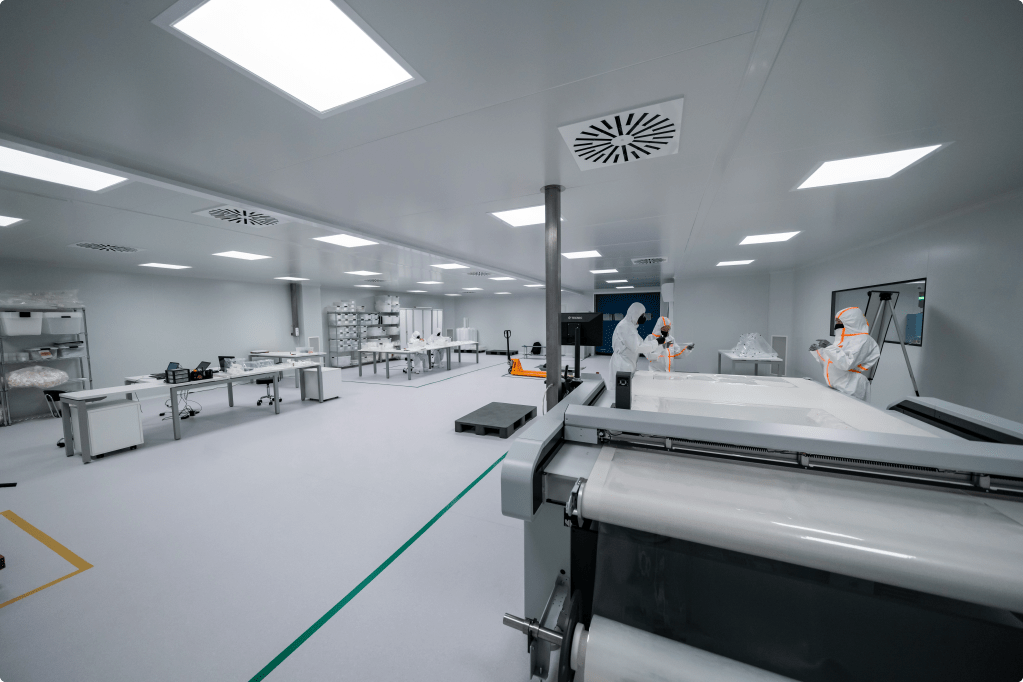
The Cleanroom Construction Market: Capitalizing on Pharmaceutical Manufacturing’s Essential Infrastructure
Introduction
Behind every biologic therapy, sterile injectable, and advanced medicinal product lies a sophisticated manufacturing infrastructure designed to control contamination down to the microscopic level. Cleanrooms—engineered environments that maintain precise control over airborne particles, microorganisms, temperature, humidity, and pressure—represent the essential foundation upon which modern pharmaceutical manufacturing operates. As the industry experiences explosive growth in biologics, cell and gene therapies, and sterile drug products, the demand for cleanroom construction and design services has surged, creating a compelling investment opportunity in pharmaceutical infrastructure.
The global cleanroom technology and construction market reached $10.04 billion in 2025 and is forecast to reach $14.16 billion by 2030, representing a robust 7.11% CAGR through the forecast period. Pharmaceutical manufacturing accounts for 42.2% of the market share, making it the single largest end-user segment. Within North America alone, the cleanroom construction market was valued at $1.2 billion in 2023 and is estimated to grow at a CAGR of over 7.1% through 2032.
For investors exploring ancillary services to pharmaceutical manufacturing—the essential infrastructure enabling drug production rather than the binary risks of drug development itself—the cleanroom construction sector offers compelling characteristics including mandatory capital spending tied to manufacturing capacity expansion, significant technical barriers to entry through specialized engineering capabilities, recurring revenue opportunities through maintenance and modification services, and direct exposure to the fastest-growing pharmaceutical segments including biologics and cell therapies.
This comprehensive guide examines the technical foundations of cleanroom design, business models and operational structures in the sector, market dynamics and growth drivers, financial considerations and deal structures, and strategic opportunities for life sciences service providers to leverage cleanroom capabilities as a platform for expanded customer relationships.
Key Takeaways
- The cleanroom construction market is growing at 7%+ annually, driven primarily by biopharmaceutical manufacturing expansion
- ISO 14644-1 classifications define cleanroom requirements, with ISO 5-7 representing the most common pharmaceutical specifications
- Business models span design-only, design-build, turnkey solutions, and ongoing maintenance services, each with distinct economics
- Project sizes range from $500,000 for small modular installations to $50+ million for comprehensive manufacturing facilities
- Cleanroom design capabilities create strategic entry points for life sciences service providers to build comprehensive relationships including qualification, calibration, and ongoing validation services
Understanding Cleanroom Technology: Technical Foundations
A cleanroom is a controlled environment engineered to maintain extremely low concentrations of airborne particles, microorganisms, and other contaminants. Unlike conventional facilities where ambient air may contain millions of particles per cubic meter, cleanrooms achieve particle concentrations orders of magnitude lower through sophisticated air handling systems, filtration technology, pressure control, and operational protocols.
The fundamental principle underlying cleanroom operation is controlling particulate and microbial contamination through regulation of air quality, temperature, humidity, pressure differentials, and environmental parameters. High-efficiency particulate air (HEPA) filters or ultra-low penetration air (ULPA) filters remove 99.97-99.9995% of particles from supply air. Controlled airflow patterns—either unidirectional (laminar flow) or non-unidirectional (turbulent flow)—continuously dilute and remove particle generation sources. Positive pressure differentials prevent unfiltered air infiltration from adjacent spaces. Materials selection, surface treatments, and cleaning protocols minimize particle generation and facilitate decontamination.
ISO 14644-1: The Global Standard for Cleanroom Classification
ISO 14644-1 is the international standard used to design, construct, validate and operate cleanrooms, replacing the former US Federal Standard 209E in 2001. The standard defines nine cleanroom classes (ISO Class 1 through ISO Class 9) based on maximum allowable particle concentrations at specified size thresholds, measured in particles per cubic meter of air.
ISO Class 1
Represents the cleanest environment, allowing only 10 particles ≥0.1 micrometers per cubic meter—conditions required for the most sensitive semiconductor manufacturing and nanotechnology applications. ISO Class 5, commonly known as Class 100 in the obsolete Federal Standard nomenclature, permits 3,520 particles ≥0.5 micrometers per cubic meter and represents the standard for aseptic pharmaceutical manufacturing including sterile filling operations.
ISO Classes 6-8 (formerly Class 1,000, 10,000, and 100,000)
Most common in pharmaceutical applications, with ISO Class 6-7 environments holding 47.7% of the cleanroom technology market in 2024. These classifications support activities including non-sterile pharmaceutical manufacturing, medical device assembly, component preparation for sterile processing, and various biotechnology applications.
ISO Class 9
Essentially represents a well-controlled conventional manufacturing environment and is rarely specified for pharmaceutical applications given the stringent contamination control requirements in drug manufacturing.
EU GMP Grades and Pharmaceutical Applications
While ISO 14644-1 provides universal classifications applicable across industries, pharmaceutical manufacturing in Europe follows the EU Good Manufacturing Practice (GMP) Annex 1 framework which introduces Grades A through D specifically for sterile medicinal product manufacturing. Understanding the relationship between ISO classifications and EU GMP Grades is essential for organizations operating in pharmaceutical markets globally.
Grade A
Corresponds to ISO Class 5 and represents the highest cleanliness level required for high-risk operations including aseptic filling, making aseptic connections, opening ampules and vials, and other manipulations of sterile materials exposed to the environment. These critical operations occur within Grade A laminar airflow workstations or isolators positioned within Grade B background environments.
Grade B
(ISO Class 5 at rest, ISO Class 7 in operation) provides the background environment for Grade A zones during aseptic preparation and filling. While the background maintains ISO Class 5 cleanliness when no activity is occurring, particle generation from personnel and equipment during operations results in ISO Class 7 performance.
Grade C (ISO Class 7 at rest, ISO Class 8 in operation) is specified for less critical stages of sterile product manufacture including solution preparation before filtration, filling of products to be terminally sterilized, and preparation of components and most products.
Grade D
(ISO Class 8) represents the minimum cleanliness level for areas handling components and materials before sterilization and for less critical manufacturing stages with lower contamination risk.
From an investor perspective, understanding these classifications is critical because project scope, cost, and complexity scale dramatically with required cleanliness levels. Creating ISO 1-3 spaces costs up to 20 times more per square foot than ISO 8-9 rooms because of air-change rates exceeding 600 per hour and triple-stage filtration arrays. Most pharmaceutical cleanroom construction projects target ISO 5-7 classifications (EU Grades A-C), representing a balance between contamination control requirements and economic feasibility.
Technical Components and Systems
Cleanroom design integrates multiple specialized systems, each contributing to overall contamination control and representing distinct value components in construction projects.
HVAC and air handling systems
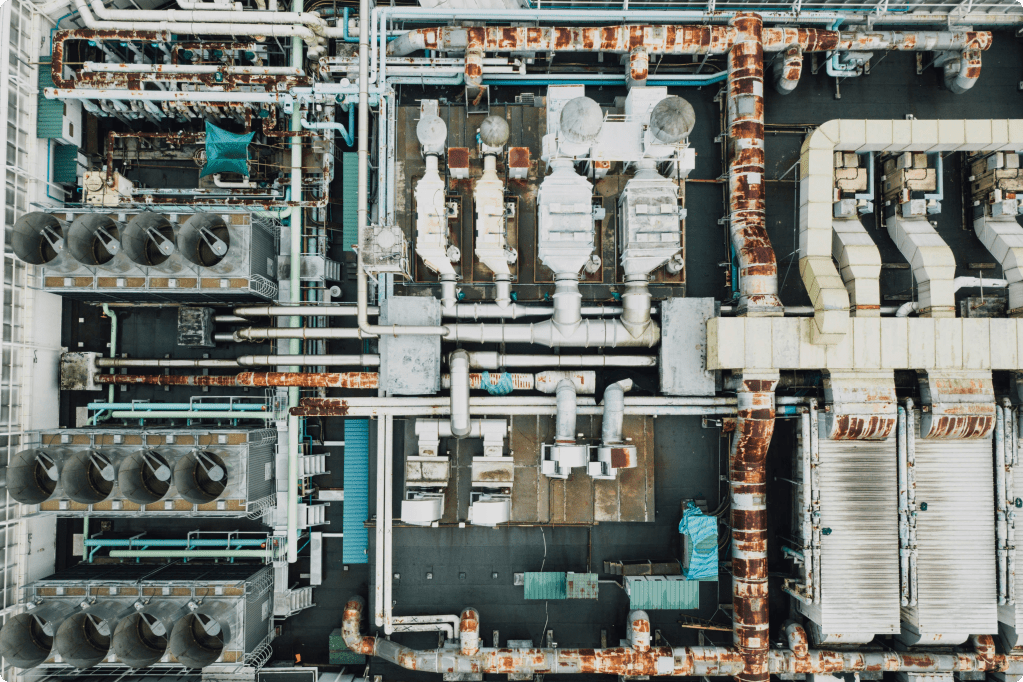
Represent the largest capital investment and most complex technical element. HEPA/ULPA filtration and air handling units hold the dominant market share given their critical role in maintaining air purity. Systems must achieve specified air change rates—typically 240 ACH (air changes per hour) for ISO 5, 30-60 ACH for ISO 7/8—while maintaining temperature (typically 20-22°C) and relative humidity (30-50%) within tight tolerances. Supply air distribution, return air paths, and pressure cascade design require sophisticated computational fluid dynamics modeling to ensure proper airflow patterns.
Architectural finishes and surfaces
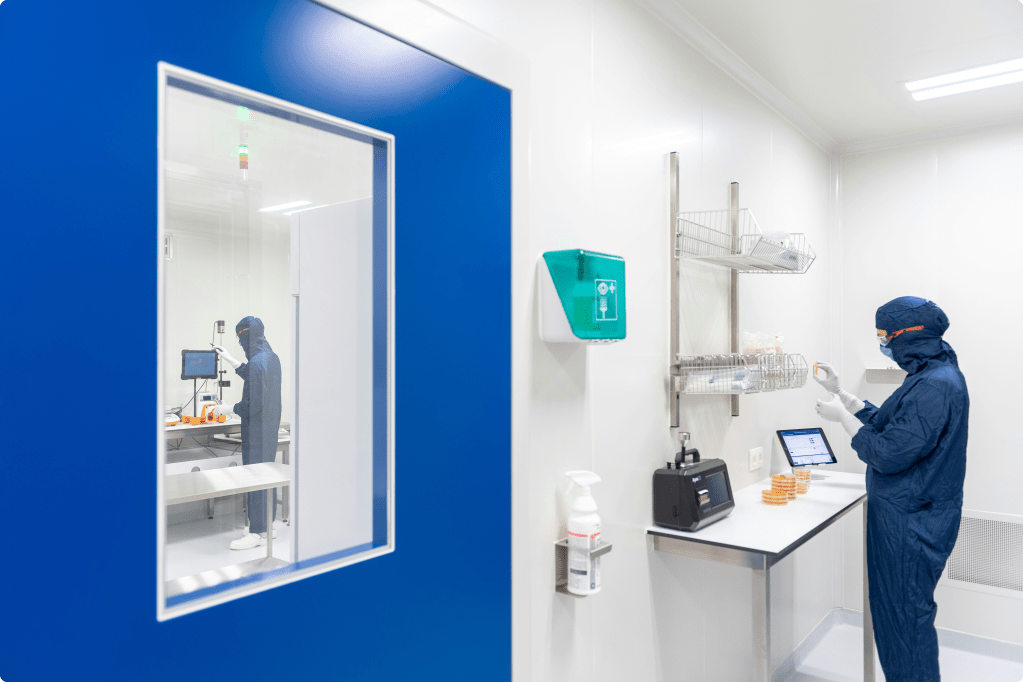
Must minimize particle generation, resist microbial growth, withstand aggressive chemical cleaning, and provide smooth, crevice-free surfaces for effective decontamination. Modular hardwall cleanroom panels—typically constructed from aluminum or steel frames with phenolic, melamine, or fiberglass reinforced plastic (FRP) surfaces—have become the predominant construction method. Modular cleanrooms accounted for the largest market segment in 2023 and are expected to grow fastest with 7.2% CAGR through 2032, driven by flexibility, faster installation, and ease of future modification compared to traditional “stick-built” construction.
Environmental monitoring systems
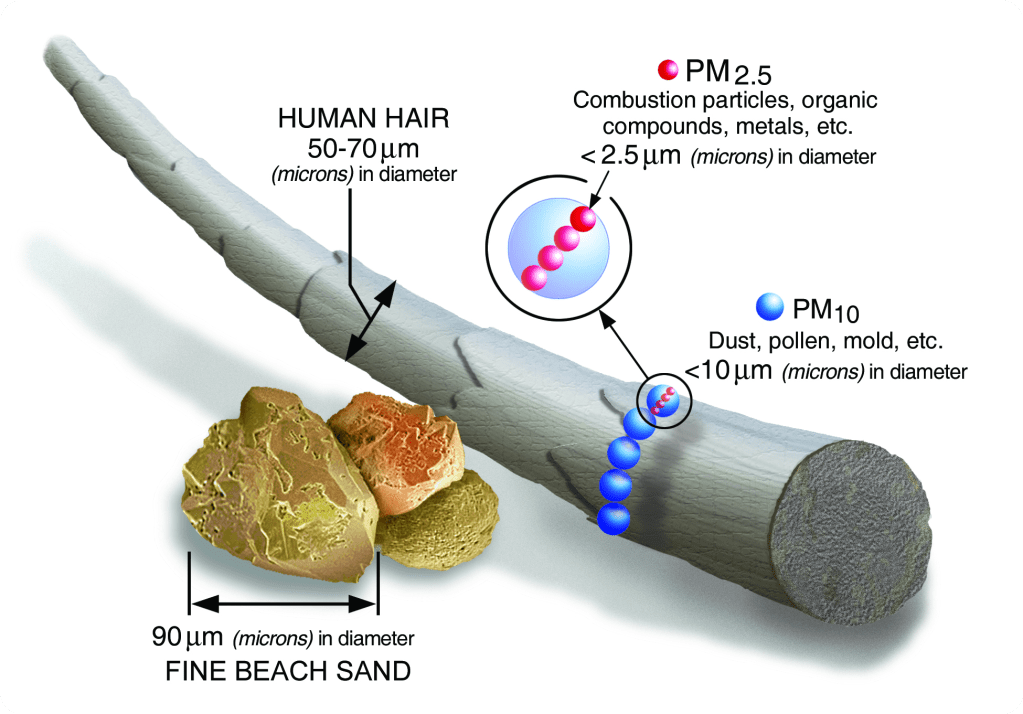
Provide continuous or periodic verification that cleanroom parameters remain within specifications. Environmental monitoring and particle counting systems are expected to show the highest growth during the forecast period, reflecting increasing regulatory expectations for real-time contamination monitoring. Modern systems integrate particle counters, temperature and humidity sensors, pressure differential monitors, and data management platforms that provide automated alarming, trending, and compliance reporting.
Specialized equipment and fixtures
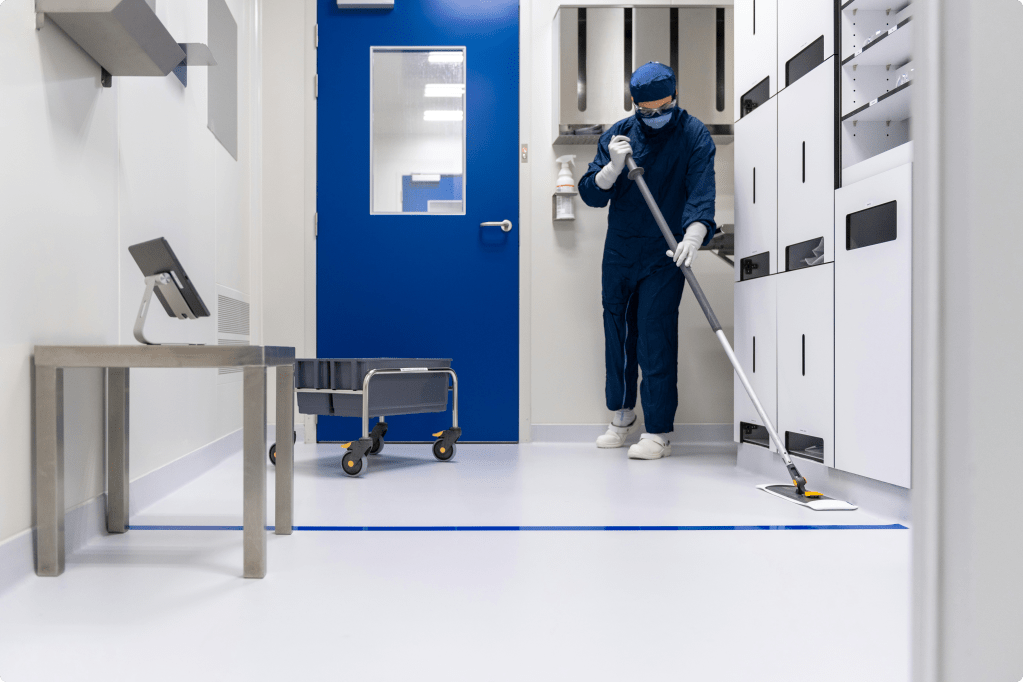
Complete cleanroom functionality including air showers (personnel decontamination airlocks), pass-through chambers (material transfer between classified areas), gowning areas with appropriate changing facilities, and process-specific equipment like laminar flow benches, biosafety cabinets, and filling line enclosures.
Business Models in Cleanroom Construction
The cleanroom construction industry encompasses diverse business models ranging from specialized design consultants to fully integrated turnkey contractors. Understanding these models is essential for both service providers considering market entry and investors evaluating competitive positioning.
Design-Only Consultants
Design-only firms provide architectural and engineering services for cleanroom facilities without direct construction involvement. These consultants develop specifications, create construction documents, perform computational modeling of airflow and environmental control systems, and often provide construction administration oversight to ensure design intent is achieved.
Value Proposition and Market Position
Design consultants bring specialized expertise in pharmaceutical facility design, regulatory compliance requirements, contamination control strategies, and process optimization that general architectural/engineering firms may lack. This specialization commands premium hourly rates (typically $150-350/hour for senior technical staff) and creates sustainable competitive advantages through domain expertise.
Economics and Scalability
The design consulting model exhibits high gross margins (often 50-70%) given minimal capital requirements and primarily labor-based delivery. However, scalability is constrained by availability of experienced personnel and the specialized nature of cleanroom engineering expertise. Revenue is typically project-based with limited recurring components, though ongoing client relationships can generate repeat business for facility modifications and expansions.
Risks and Limitations
Design-only firms bear professional liability risk for design adequacy and compliance with regulatory requirements. They capture only a fraction of total project value (typically 5-15% of construction costs) and may face commoditization pressure if unable to differentiate beyond basic compliance-driven design. The lack of construction execution capabilities limits control over project outcomes and customer satisfaction.
Design-Build Contractors
Design-build firms offer integrated services encompassing both design development and construction execution under single-source responsibility. This model has gained substantial market share in pharmaceutical cleanroom construction given the specialized nature of these facilities and the advantages of unified accountability.
Value Proposition and Market Position
Design-build delivery reduces owner risk through single-point responsibility, accelerates project timelines by overlapping design and construction phases, improves constructability through early contractor input during design, and potentially reduces costs through value engineering and construction optimization. For pharmaceutical clients facing compressed timelines to reach manufacturing capacity, these advantages often outweigh any perceived premium in procurement costs.
Economics and Scalability
Design-build firms capture substantially larger project value (the complete construction scope plus design fees) than design-only consultants, with total project revenues typically ranging from $2-20+ million depending on facility size and complexity. Gross margins are typically lower than design consulting (20-40% range) given the material and direct labor components of construction, but absolute profit dollars per project are significantly higher.
The model requires substantial organizational capabilities including in-house engineering staff, construction management teams, trade contractor networks, bonding capacity for project performance guarantees, and working capital to fund construction progress. These requirements create barriers to entry but also enable scalability for well-capitalized firms.
Risks and Challenges
Design-build contractors bear comprehensive performance risk including cost overruns, schedule delays, and design adequacy. Fixed-price contracts (common in pharmaceutical construction) expose contractors to cost risk from scope changes, unforeseen conditions, or estimating errors. The capital intensity and bonding requirements limit the number of concurrent projects smaller firms can pursue.
Turnkey Solutions Providers
Turnkey providers offer comprehensive project delivery from initial planning through operational startup, encompassing site selection and assessment, master planning and programming, architecture and engineering design, construction management, equipment procurement and installation, commissioning and qualification, and operator training and startup support.
Value Proposition and Market Position
Turnkey complete cleanroom service includes all aspects of the cleanroom project from beginning to end, minimizing client involvement and accelerating time-to-operation. This comprehensive approach particularly appeals to emerging biotechnology companies and pharmaceutical organizations expanding into new manufacturing capabilities without deep internal facilities expertise.
Economics and Scalability
Turnkey projects represent the highest total value contracts in the cleanroom construction market, with comprehensive pharmaceutical facilities ranging from $10-100+ million depending on scale and complexity. The extended scope includes equipment procurement, qualification services, and ongoing maintenance agreements that create recurring revenue streams beyond initial construction.
However, turnkey delivery requires the most comprehensive organizational capabilities including pharmaceutical process expertise, equipment vendor relationships, qualification and validation capabilities, and regulatory consulting services—capabilities that take years to develop and represent substantial competitive moats once established.
Modular Cleanroom Manufacturers
Modular cleanroom manufacturers specialize in prefabricated cleanroom systems designed for rapid deployment and future reconfiguration. Modular/prefabricated cleanrooms represent the fastest-growing segment, driven by advantages in installation speed, cost predictability, and operational flexibility.
Value Proposition and Market Position:
Modular cleanrooms can be manufactured and installed 50% faster than stick-built conventional construction cleanrooms, a critical advantage for pharmaceutical companies racing to reach commercial manufacturing or clinical supply deadlines. Unlike conventional construction cleanrooms, modular cleanrooms are easily modified, expanded, or relocated, providing flexibility for organizations facing uncertain future capacity requirements.
Economics and Scalability
Modular manufacturers benefit from factory-based production enabling quality control, weather-independent schedules, and potential labor cost advantages. The manufacturing-centric model allows greater operational leverage than traditional construction, with factory capacity representing a constraint to growth that capital investment can address more predictably than construction labor availability.
However, modular systems may command lower prices per square foot than custom stick-built construction in competitive procurement scenarios, and the factory infrastructure requires substantial capital investment before revenue generation.
Growth Drivers and Market Dynamics
The cleanroom construction market is experiencing robust growth driven by multiple converging factors creating sustained demand over multi-year horizons.
Biopharmaceutical Manufacturing Expansion
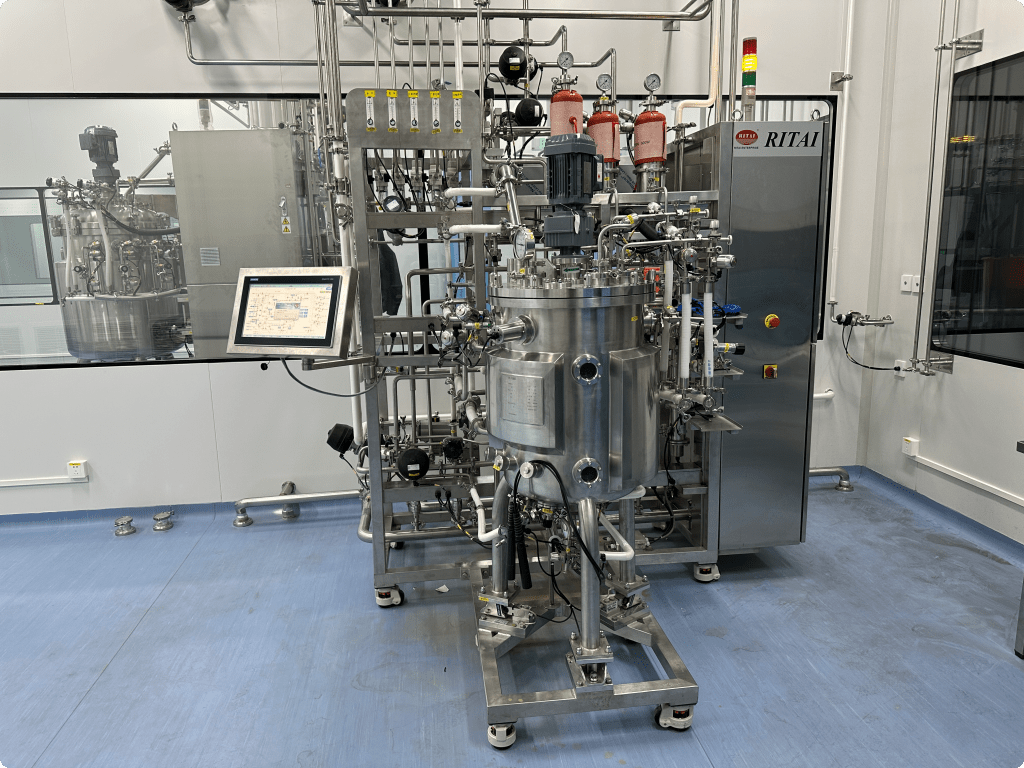
Sustained semiconductor capacity expansion, accelerated cell and gene therapy build-outs, and rising battery gigafactory investments underpin steady advance in cleanroom construction demand, with pharmaceutical manufacturing holding 42.2% market share in 2024.
The explosive growth in biologics manufacturing represents the primary demand driver. Monoclonal antibodies, therapeutic proteins, vaccines, and other biologic drugs require mammalian cell culture production systems operating under stringent contamination control. Multiple European facilities reached operational status in 2025, each requiring ISO 5-7 modular suites for living-medicine production, including Novartis bringing its fully automated viral-vector site in Slovenia online as part of a EUR 3.5 billion (USD 4.09 billion) national program.
Cell and gene therapies are driving particularly robust cleanroom demand. These advanced therapeutic products require ISO 5-7 manufacturing suites for cell processing, viral vector production, and final product formulation. The autologous nature of many cell therapies—where each patient’s treatment represents a separate manufacturing campaign—is driving distributed manufacturing models requiring numerous smaller cleanroom facilities rather than centralized large-scale plants, multiplying the number of construction projects relative to traditional pharmaceutical capacity.
Regulatory Drivers and Compliance Requirements

Pharmaceutical cleanroom construction is fundamentally driven by regulatory mandates rather than optional quality improvements. The FDA issued 1,150 warning letters for pharmaceutical non-compliance in 2023, highlighting the critical need for stringent adherence to regulatory standards and driving substantial investments in advanced cleanroom technology.
Regulatory bodies such as the U.S. FDA, European Medicines Agency (EMA), and the International Organization for Standardization (ISO) set strict standards for contamination control, pushing companies to adopt advanced cleanroom technologies. The updated EU GMP Annex 1 (effective August 2023) introduced more stringent requirements for contamination control strategies, environmental monitoring, and barrier technology, driving facility upgrades and new construction to achieve compliance.
Internationally, regulatory harmonization through ICH guidelines is raising standards in emerging pharmaceutical markets. China, India, Brazil, and other countries are implementing GMP requirements increasingly aligned with US and European standards, expanding the global addressable market for cleanroom construction services.
Technology Evolution and Industry 4.0 Integration

The integration of cutting-edge technologies, like robotics and automation, within cleanrooms is gaining momentum as industries look to improve operational resilience and efficiency. Advanced pharmaceutical manufacturing increasingly incorporates automated material handling, robotic processing, continuous manufacturing systems, and real-time environmental monitoring—technologies requiring specialized cleanroom infrastructure.
Digital transformation, including IoT-enabled systems for continuous environmental monitoring, is improving operational efficiency and reducing contamination risks. Modern cleanroom facilities integrate building management systems (BMS) that monitor and control HVAC equipment, environmental parameters, and contamination risks through centralized platforms with automated alarming, data trending, and regulatory compliance documentation.
Energy efficiency has emerged as a significant design priority. Cleanrooms are notoriously energy-intensive, with HVAC systems operating continuously to maintain air quality and environmental parameters. Operators mitigate energy intensity through variable-speed drives, low-pressure drop diffusers, and predictive HVAC maintenance, reducing operational costs while meeting increasingly stringent environmental sustainability goals.
Geographic Market Expansion

Asia-Pacific registers the strongest 7.6% CAGR to 2030, driven by pharmaceutical manufacturing capacity expansion in China, India, South Korea, and Southeast Asian countries. China in particular has emerged as a major pharmaceutical manufacturing hub, with hundreds of companies pursuing both domestic market opportunities and export-oriented production requiring GMP-compliant facilities.
The United States dominates North America with the cleanroom construction market valued at USD 1.2 billion in 2023, driven by CHIPS Act megaprojects and an extensive biologics pipeline. Government investment programs including the CHIPS and Science Act (supporting semiconductor manufacturing) and Inflation Reduction Act (supporting domestic pharmaceutical production) are accelerating cleanroom construction activity.
Europe represents a substantial market driven by European Union medical-device regulations and biologics manufacturing expansion. The region’s emphasis on pharmaceutical manufacturing sovereignty—reducing dependence on Asian supply chains—is driving domestic capacity investment requiring cleanroom construction.
Financial Considerations and Deal Structures
Understanding the economics of cleanroom construction projects is essential for both service providers bidding projects and investors evaluating market opportunities or specific transactions.
Project Sizing and Value
Cleanroom construction projects span a wide range of sizes and values depending on facility scope, classification requirements, and integration complexity.
Small modular installations ($500,000 – $2 million)
Typically involve prefabricated cleanroom suites for research laboratories, pilot manufacturing facilities, or small-scale clinical supply production. These projects often feature ISO 7-8 classifications, basic HVAC systems, and standard modular panel construction. Timeline from contract to operational status typically ranges 3-6 months.
Mid-scale pharmaceutical cleanrooms ($2 million – $10 million)
Encompass dedicated manufacturing suites within existing facilities, contract manufacturing organization (CMO) capacity expansions, or specialized production areas for cell therapy or viral vector manufacturing. These projects typically specify ISO 5-7 classifications, sophisticated environmental control, and integration with existing facility utilities and systems. Project durations range 9-18 months including design, procurement, construction, and commissioning.
Large pharmaceutical facilities ($10 million – $50 million+)
Involve comprehensive manufacturing facilities including multiple cleanroom classifications, support spaces, utilities infrastructure, and complete process equipment integration. These flagship projects for major pharmaceutical companies or large CMOs require 24-36 months from project initiation through operational qualification and regulatory approval.
Campus-scale developments ($50 million – $500 million+)
Encompass complete pharmaceutical manufacturing campuses with multiple buildings, extensive cleanroom capacity, utilities plants, warehousing, and comprehensive infrastructure. These transformational projects typically involve major pharmaceutical companies, CMO consolidations, or government-sponsored domestic manufacturing initiatives. Development timelines extend 3-5+ years from planning through full operational capacity.
From an investor perspective, the wide range of project scales creates opportunities for service providers to specialize in particular segments or to build comprehensive capabilities serving diverse customer needs and project types.
Pricing Structures and Margins
Cleanroom construction pricing exhibits substantial variation based on multiple factors including cleanliness classification (ISO 5 significantly more expensive than ISO 8), construction type (modular vs. stick-built), geographic location and local labor costs, equipment and process integration requirements, project timeline and schedule acceleration, and site conditions and facility integration complexity.
Industry benchmarks suggest cleanroom construction costs typically range from $200-500+ per square foot for basic ISO 7-8 spaces to $1,000-3,000+ per square foot for sophisticated ISO 5 manufacturing suites with extensive equipment integration. These costs substantially exceed conventional construction ($100-200/SF for commercial buildings) due to specialized systems, materials, and expertise requirements.
Gross margins for cleanroom construction contractors typically range 20-40% depending on project type, competitive intensity, and execution efficiency. Design-build contractors operating on fixed-price contracts may achieve margins at the upper end of this range on well-executed projects but face downside risk from cost overruns. Time-and-materials contracts (less common in pharmaceutical construction) reduce contractor risk but often result in lower absolute margins.
Competitive dynamics influence pricing and margins significantly. Sole-source negotiations for specialized capabilities or urgent projects may support premium pricing. Competitive bidding among multiple qualified contractors constrains pricing, particularly for relatively standard projects without unique technical requirements. Long-term master service agreements with major pharmaceutical clients or CMOs may involve volume commitments and preferential pricing in exchange for capacity guarantees and streamlined procurement.
Payment Structures and Cash Flow
Cleanroom construction projects typically employ progress-based payment structures that influence contractor cash flow and working capital requirements.
Standard payment terms often include 10-20% deposit upon contract execution, monthly progress payments based on work completed (typically 30-45 days after invoice), retention holdback (typically 5-10% of contract value held until substantial completion), and final payment upon acceptance and closeout, release of retention after warranty period (often 30-90 days post-acceptance).
Working capital requirements can be substantial for contractors, particularly on large projects or when serving multiple concurrent projects. Contractors must fund labor, materials, and subcontractor costs before receiving progress payments, creating cash consumption during project execution. Retention holdbacks further extend the cash conversion cycle.
Bonding requirements are common on large pharmaceutical projects, with clients requiring performance bonds (guaranteeing project completion per contract terms) and payment bonds (protecting subcontractors and suppliers). Bonding capacity depends on contractor financial strength and limits the total value of concurrent projects a firm can pursue.
For investors, understanding these working capital dynamics is critical. Growth in project backlog creates cash consumption before profit realization. Contractors with insufficient working capital or bonding capacity face growth constraints despite strong market demand.
Strategic Opportunities for Life Sciences Service Providers
For organizations already providing services to pharmaceutical manufacturers—including calibration, validation, maintenance, quality consulting, or related capabilities—cleanroom design and construction capabilities represent a strategic platform for expanding customer relationships and increasing lifetime value.
The Cleanroom as Customer Relationship Gateway
Cleanroom design and construction projects create uniquely intimate client relationships given the strategic importance, substantial investment, and extended duration of these initiatives. Pharmaceutical companies selecting cleanroom partners conduct extensive due diligence, often preferring providers with demonstrated pharmaceutical expertise over lower-cost general contractors. Once engaged, the design-build process involves extensive interaction with client technical, quality, regulatory, and executive stakeholders, creating relationship depth difficult to achieve through transactional service provision.
This relationship intimacy creates natural opportunities for service expansion. The company that designed and built a client’s cleanroom possesses unparalleled knowledge of the facility’s systems, configuration, and capabilities—knowledge valuable for ongoing services including qualification and requalification, environmental monitoring and validation, calibration and maintenance, facility modifications and expansions, troubleshooting and performance optimization, and regulatory compliance support.
Integrated Service Offerings and Cross-Selling
The most valuable cleanroom construction engagements extend beyond initial design-build into comprehensive lifecycle partnerships. Forward-thinking service providers structure offerings to capture value throughout the facility lifecycle, creating recurring revenue streams and deepening customer relationships.
Installation qualification (IQ) services validate that cleanroom systems are installed correctly per design specifications. Following construction completion, IQ protocols document utility connections, equipment installation, instrumentation calibration, alarm functionality, and safety systems. IQ services typically represent 3-8% of construction contract value and provide natural transition from construction to operational phases.
Operational qualification (OQ) services demonstrate that environmental control systems function within specified parameters across their operating ranges. OQ testing includes HEPA filter integrity, airflow velocity and pattern verification, pressure differential measurement, temperature and humidity control, particle count verification at all classification points, and recovery time assessment. Validation, qualification & certification services are expected to be the fastest growing segment, reflecting increasing regulatory emphasis on documented validation.
Performance qualification (PQ) services confirm that the cleanroom maintains specifications during actual production operations with personnel, equipment, and materials present. PQ represents the final validation phase before regulatory submission and commercial manufacturing authorization. These qualification phases collectively represent substantial service opportunities—often 10-20% of initial construction value—and position providers for ongoing relationships.
Temperature mapping services validate that temperature-controlled spaces maintain uniform conditions throughout their volumes. These studies are particularly critical for pharmaceutical storage areas, stability chambers, and cold rooms supporting biologics manufacturing. As discussed in our previous article on calibration services, temperature mapping projects typically range $10,000-50,000+ depending on facility size and represent recurring business every 2-3 years.
Environmental monitoring programs provide ongoing verification that cleanrooms maintain classification compliance during routine operations. Service providers can offer routine particle counting, viable microbial monitoring, HVAC system performance verification, pressure differential trending, temperature and humidity documentation, and automated monitoring system support. Environmental monitoring and particle counting systems are expected to show the highest growth as pharmaceutical companies implement increasingly sophisticated contamination control strategies.
Calibration services for cleanroom instrumentation including particle counters, temperature and humidity sensors, pressure gauges, airflow measurement devices, and environmental monitoring systems create recurring annual revenue. Organizations providing both cleanroom construction and ongoing calibration achieve superior customer retention and lifetime value compared to construction-only competitors.
Preventative maintenance services ensure continued cleanroom performance through HEPA filter replacement, HVAC system maintenance, seal integrity verification, facility repairs and updates, and emergency response for system failures. The professional services segment dominated the market with 66.1% share in 2024, with installation & commissioning holding approximately 34% share and validation, qualification & certification expected to grow fastest.
Building Cleanroom Capabilities: Buy vs. Build Considerations
Life sciences service providers considering cleanroom capabilities face strategic decisions regarding organic capability development versus acquisition of existing cleanroom contractors.
Organic capability development offers several potential advantages including full control over quality, culture, and operations, ability to integrate closely with existing service lines, lower upfront capital requirement than acquisition, and opportunity to build pharmaceutical-specific expertise from inception rather than adapting general construction capabilities.
However, organic development faces significant challenges. Cleanroom design requires specialized engineering expertise not easily hired or developed. Construction execution capabilities including trade contractor networks, project management systems, bonding capacity, and working capital take years to establish. Without proven track record and reference projects, winning pharmaceutical client trust is difficult. The learning curve and early project execution risks may result in financial losses or quality issues that damage broader company reputation.
Acquisition of established cleanroom contractors provides immediate capabilities, existing client relationships and project backlog, proven operational systems and personnel, bonding capacity and bank relationships, and reference projects demonstrating pharmaceutical expertise. However, acquisitions require substantial capital, involve integration challenges particularly regarding culture and systems, may include contractual obligations and legacy liabilities, and demand different management capabilities than organic service businesses.
For most life sciences service providers, partnership models offer an attractive middle path. Strategic alliances with established cleanroom contractors enable cross-referral opportunities, bundled service offerings to shared clients, and gradual learning and capability development without full acquisition risk. These relationships can evolve into acquisitions once strategic fit is proven and synergies are validated.
Competitive Landscape and Market Consolidation
The cleanroom construction market exhibits moderate concentration with several large, established players alongside numerous regional and specialized contractors. Understanding competitive dynamics is essential for evaluating market entry strategies or investment opportunities.
Major Market Participants
Prominent players operating in the cleanroom technology industry include COMET Technologies USA, Inc., Azbil Corporation, Clean Rooms West, Terra Universal Inc., Kimberly-Clark Corporation, Labconco Corporation, Lighthouse Worldwide Solutions, Particle Measuring Systems Inc., and Dycem Ltd.
Among construction-focused providers, M+W Group, ISO Clean, and CleanAir are integrating IoT-enabled systems for continuous environmental monitoring, improving operational efficiency and reducing contamination risks. These large providers benefit from global presence enabling multinational client support, comprehensive in-house capabilities from design through commissioning, substantial bonding capacity for large projects, established pharmaceutical relationships and regulatory expertise, and financial resources for technology investment and capacity expansion.
However, large providers may face challenges including organizational complexity impacting responsiveness, pricing pressure from sophisticated pharmaceutical procurement departments, and difficulty differentiating beyond core compliance-driven construction in competitive bidding scenarios.
Regional and Specialized Contractors
Numerous mid-sized and smaller contractors focus on specific geographic regions, facility types, or industry segments. These specialists often differentiate through deep relationships with regional pharmaceutical companies, specialized expertise in specific facility types (cell therapy manufacturing, viral vector production), exceptional project execution and customer service, flexible contracting approaches and responsiveness, and competitive pricing through lower overhead structures.
Regional providers may achieve superior margins on projects within their core markets through incumbent relationships and local knowledge but face scalability constraints from limited geographic reach, capacity limitations restricting project size and concurrent volume, difficulty competing for major multinational pharmaceutical contracts, and limited financial resources for technology investment or market expansion.
Market Consolidation Trends
The cleanroom construction market is experiencing gradual consolidation driven by several factors. In July 2024, Ardmac was acquired by the global industrial group, Purever Industries, for an undisclosed sum, exemplifying ongoing M&A activity in the sector.
Drivers of consolidation include large CDMOs and pharmaceutical companies preferring fewer, more capable vendors with comprehensive service offerings; private equity investors recognizing attractive market characteristics and pursuing roll-up strategies; technology requirements and capital intensity favoring larger, better-resourced organizations; and geographic expansion strategies by regional providers seeking national or international presence.
This consolidation creates both opportunities and risks for market participants. Well-positioned regional contractors with strong client relationships, proven pharmaceutical expertise, and differentiated capabilities may command attractive acquisition valuations. However, increasing competitive intensity from larger, better-capitalized competitors may pressure margins for providers unable to differentiate beyond commodity construction services.
For investors, the fragmented market structure creates opportunities for consolidation strategies that aggregate regional providers into larger platforms with improved operational leverage, market presence, and service breadth. However, successful consolidation requires careful attention to culture integration, systems harmonization, and retention of key technical personnel and client relationships.
Risks and Challenges
While the cleanroom construction market offers compelling opportunities, several risks and challenges merit careful consideration by both service providers and investors.
Project Execution Risks
Cleanroom construction involves complex technical requirements where execution failures can have severe consequences. HVAC system design or installation errors may prevent achieving specified classifications, structural issues may compromise contamination control, commissioning problems may delay project completion and client operations, and quality deficiencies may result in regulatory findings or rejection.
These execution risks are amplified by fixed-price contracting common in pharmaceutical construction. Cost overruns from design changes, unforeseen conditions, or estimating errors directly impact contractor profitability. Schedule delays trigger liquidated damages provisions in many contracts, potentially converting profitable projects into losses.
Mitigation strategies include rigorous estimating processes with appropriate contingencies, comprehensive quality management systems and experienced project teams, strong subcontractor relationships and qualification processes, appropriate insurance coverage including professional liability and pollution liability, and realistic project selection avoiding technically risky or underpriced opportunities.
Regulatory and Compliance Challenges
Pharmaceutical cleanrooms must satisfy stringent regulatory requirements that continue evolving. Updated EU GMP Annex 1 requirements, FDA inspection findings and warning letters, changes to ISO 14644 standards, and emerging contamination control expectations create ongoing adaptation requirements.
Contractors must maintain current knowledge of regulatory requirements and industry best practices, participate in industry organizations and working groups, invest in staff training and development, and maintain relationships with regulatory consultants and subject matter experts. Organizations falling behind regulatory evolution risk delivering non-compliant facilities that fail inspections or require costly remediation.
Talent Acquisition and Retention
Cleanroom construction requires specialized expertise in pharmaceutical manufacturing processes and requirements, contamination control strategies and environmental systems, computational fluid dynamics and HVAC design, construction techniques for controlled environments, and regulatory compliance and qualification methodologies.
This expertise is scarce, with limited academic programs specifically addressing pharmaceutical cleanroom engineering and experienced practitioners in high demand across competing employers. Talent constraints limit growth for service providers regardless of market demand or financial resources. Organizations must invest in competitive compensation and career development, mentorship programs pairing junior staff with experienced practitioners, relationships with universities and technical programs, and knowledge management systems capturing institutional expertise.
Economic and Market Cyclicality
While pharmaceutical manufacturing exhibits relative recession resistance, cleanroom construction demand is not entirely immune to economic cycles. During downturns, pharmaceutical companies may defer facility expansions, delay discretionary upgrades, and cancel or postpone capacity investments. Emerging biotechnology companies, dependent on capital markets for financing, may face funding challenges that impact facility projects.
Additionally, pharmaceutical industry consolidation through mergers and acquisitions can create overcapacity, reducing near-term construction demand as acquirers rationalize redundant manufacturing facilities. Patent expirations and competitive pressure in biosimilars markets may reduce profit margins for pharmaceutical manufacturers, constraining capital available for facility investments.
Service providers with diversified client bases across large pharmaceutical companies, emerging biotech, CMOs, and other segments achieve greater resilience than those concentrated in specific customer types. Geographic diversification and non-pharmaceutical revenue streams (semiconductor, medical device, aerospace cleanrooms) further reduce exposure to pharmaceutical market cyclicality.
Investment Thesis and Valuation Considerations
For investors evaluating opportunities in the cleanroom construction sector—whether acquiring service providers, investing in platform companies, or backing management teams pursuing consolidation strategies—several factors inform investment theses and valuation frameworks.
Market Attractiveness and Growth Trajectory
The cleanroom construction market offers several characteristics attractive to investors seeking exposure to pharmaceutical infrastructure. Mandatory spending driven by regulatory requirements and manufacturing capacity needs creates relatively predictable demand. Growth rates of 7%+ CAGR exceed broader construction industry growth, driven by pharmaceutical industry tailwinds. Limited cyclicality compared to general construction provides recession resistance, and high barriers to entry through technical expertise and regulatory credibility support pricing power.
The strongest growth sub-segments include modular cleanroom systems (7.2% CAGR), cell and gene therapy manufacturing facilities, environmental monitoring and validation services, and Asia-Pacific markets (7.6% CAGR). Service providers positioned in these high-growth segments may command premium valuations reflecting superior growth prospects.
Financial Characteristics and Unit Economics
Cleanroom construction businesses typically exhibit financial profiles characterized by moderate capital intensity (lower than equipment manufacturing, higher than pure services), gross margins of 20-40% depending on service mix and competitive positioning, meaningful operating leverage as revenue scales given fixed costs for management, engineering, and business development, and working capital requirements that scale with revenue growth and can constrain rapid expansion.
The professional services segment dominated with 66.1% revenue share in 2024, with ongoing validation, monitoring, and maintenance services providing recurring revenue complementing project-based construction income. Companies successfully building recurring service revenue alongside construction projects achieve superior valuations reflecting the predictability and customer lifetime value of these relationships.
Valuation Multiples and Transaction Comparables
Cleanroom construction companies typically trade or transact at valuation multiples reflecting their business model characteristics, growth rates, and competitive positioning. While public market comparables are limited given the specialized nature of pharmaceutical cleanroom construction, related businesses provide benchmarks.
General construction and engineering firms typically trade at 0.3-0.8x revenue or 6-12x EBITDA, reflecting the capital-intensive nature and competitive dynamics of construction markets. Specialized pharmaceutical service providers including CROs, CDMOs, and laboratory service companies often trade at 2-5x revenue or 12-20x EBITDA, reflecting higher margins, recurring revenue, and pharmaceutical industry growth exposure.
Pharmaceutical-focused cleanroom contractors with strong recurring revenue from qualification and maintenance services, proven pharmaceutical expertise and regulatory track records, and positioning in high-growth segments may command valuations toward the upper end of this range or beyond. Strategic buyers (large CDMOs, pharmaceutical companies, comprehensive service platforms) may pay premium multiples for companies offering strategic fit, complementary capabilities, or access to desirable customer relationships.
Private market transactions remain largely undisclosed, limiting public information on acquisition multiples. However, industry participants indicate that well-positioned cleanroom contractors with strong EBITDA margins, pharmaceutical customer concentration, and recurring revenue streams have commanded EBITDA multiples in the low-to-mid teens in recent transactions.
Strategic Value and Platform Potential
Beyond standalone financial performance, cleanroom construction capabilities create strategic value as platforms for building comprehensive pharmaceutical service offerings. The intimate customer relationships created through facility design and construction enable cross-selling of calibration services, qualification and validation, environmental monitoring, maintenance and remediation, regulatory consulting, and operational support services.
This platform potential may justify acquisition premiums for investors pursuing build-out strategies in pharmaceutical services. A cleanroom construction company generating $20 million revenue with 25% EBITDA margins ($5 million EBITDA) might appear to justify a $50-70 million valuation at 10-14x EBITDA multiples. However, if the acquisition enables cross-selling an additional $10 million in higher-margin calibration and validation services with 40% EBITDA margins ($4 million incremental EBITDA), the combined $9 million EBITDA justifies substantially higher total consideration.
Sophisticated investors evaluate not just current financial performance but the platform potential for building integrated pharmaceutical service offerings that increase customer lifetime value, create competitive differentiation, and generate superior long-term returns.
Conclusion
The cleanroom construction market represents essential infrastructure enabling modern pharmaceutical manufacturing, characterized by regulatory-driven demand, significant technical barriers to entry, and favorable growth dynamics tied to the pharmaceutical industry’s expansion—particularly in biologics, cell therapies, and sterile drug products. With the market projected to grow from $10.04 billion in 2025 to $14.16 billion by 2030 at 7.11% CAGR, opportunities exist for both established contractors and new entrants with differentiated capabilities.
For technical professionals in pharmaceutical manufacturing and quality operations, understanding ISO 14644-1 classifications, EU GMP Grades, and cleanroom system design principles is essential for effective facility planning and vendor selection. The decisions made during cleanroom design profoundly impact manufacturing capabilities, regulatory compliance, operational costs, and future flexibility.
For investors and business strategists, the cleanroom construction sector offers compelling characteristics including mandatory capital spending by pharmaceutical manufacturers, substantial barriers to entry protecting established providers, recurring revenue opportunities through qualification and maintenance services, and direct exposure to high-growth pharmaceutical segments without binary drug development risks.
The most successful market participants—whether service providers or investors—will be those that combine technical excellence in cleanroom design and construction with strategic positioning in high-growth segments, build comprehensive service offerings creating customer lifetime value, invest in specialized pharmaceutical expertise and regulatory knowledge, and execute disciplined growth strategies balancing organic development and strategic acquisitions.
Organizations that achieve this combination while maintaining operational excellence and customer focus will be best positioned to capitalize on the sustained growth in pharmaceutical cleanroom infrastructure driven by biologics manufacturing expansion, cell and gene therapy commercialization, and the ongoing global investment in pharmaceutical manufacturing capacity.
About The Author
Thomas Fraleigh has over 20 years of experience in the life sciences industry. His expertise spans manufacturing, quality control, regulatory and business development. He is the Founder and Principle Consultant for Terraforme Biosciences, working with investors and operators to change the life sciences landscape.
Published: 2025-October-23
Last Updated: 2025-October-23
Reading Time: 38 minutes
Ready to Capitalize on Pharmaceutical Infrastructure Opportunities?
Our team combines deep technical expertise in pharmaceutical facility design and GMP compliance with strategic insight into service provider capabilities, market dynamics, and investment opportunities. Whether you’re planning facility expansions, evaluating cleanroom contractors, building integrated service platforms, or assessing investment opportunities in pharmaceutical infrastructure, we provide the technical depth and business acumen to support informed decision-making.
 Terraforme Biosciences