Client
Cleaning products manufacturer
Service
Quality Management Systems
Scope
Enzyme sourcing, vendor qualification and incoming QC
Materials
Seven enzyme classes for a new product line
Results Snapshot
A cleaning products manufacturer, new to enzymes, built a qualified and well-specified raw material portfolio during R&D, so its new product line could move into production without having to re-source.
- A primary and a backup supplier identified for each of seven enzyme classes
- Internal specifications for every enzyme, including clear activity assay requirements
- A vendor qualification process covering supplier specifications and certificates of analysis (CoAs)
- An incoming quality control program with local testing labs spot-checking deliveries against specification
- A ready-to-scale raw material portfolio for formulation development and production
Client Context
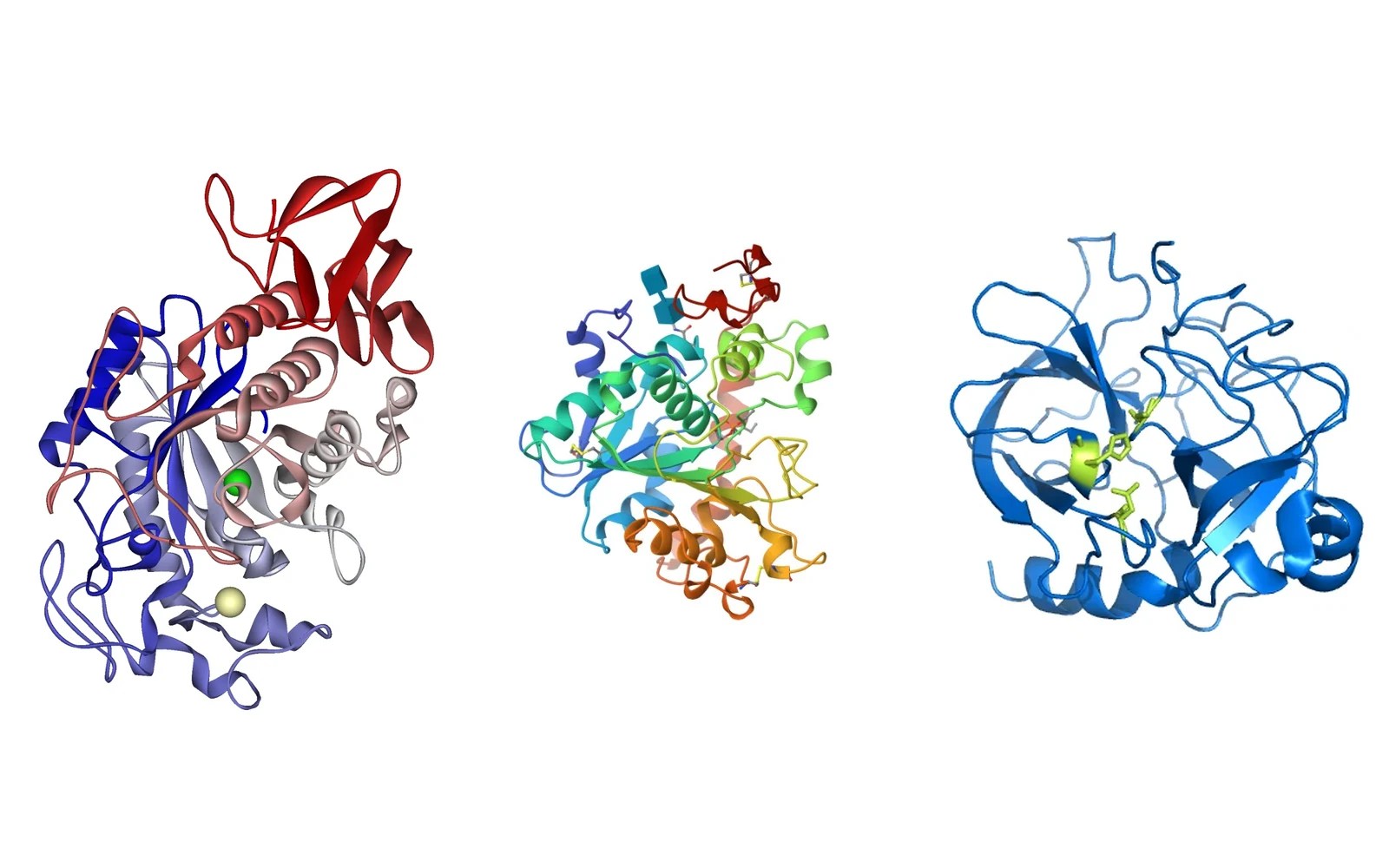
The client, an established manufacturer of cleaning products, was developing a new enzyme-based product line. Enzymes target specific stains and soils, such as proteins, starches and fats, and allow effective cleaning at lower temperatures, but they were a new category of raw material for the business.
The team had no experience buying enzymes or interpreting their activity data. Their initial plan was to finish formulation development first and deal with sourcing later. We encouraged them to bring sourcing forward, because an enzyme chosen in the lab becomes part of the formula, and switching later can mean reformulating and repeating stability and performance testing.
The Challenge
Enzymes behave differently from most chemical raw materials, and the client was starting from scratch.
A New Category of Raw Material
The team had never sourced enzymes, and did not yet know the suppliers, grades or formats on the market.
Activity Is the Real Specification
Enzymes are sold on activity, but suppliers use different assays and units, so products that look similar on paper can perform very differently.
The Temptation to Defer
Leaving sourcing until after R&D risked locking the formula to materials that could not be reliably bought at scale.
Supply Continuity
Relying on a single supplier for any enzyme would leave the new product line exposed to shortages or quality changes.
What We Did
We guided the client through sourcing, qualifying and controlling each enzyme, so the materials used in development would be the same ones used in production.
1
Made the Case for Early Sourcing
We showed how choosing suppliers during R&D avoids reformulation, delays and supply risk when the product scales up.
2
Mapped Suppliers and Backups
For each enzyme class we identified suitable suppliers and products, and selected a primary and a backup source.
3
Qualified Vendors
We reviewed supplier specifications, technical data and CoAs, and helped the client assess each vendor’s suitability.
4
Wrote Internal Specifications
We generated the client’s own specification for each enzyme, defining activity, the assay method and other critical attributes.
5
Set Up Incoming QC
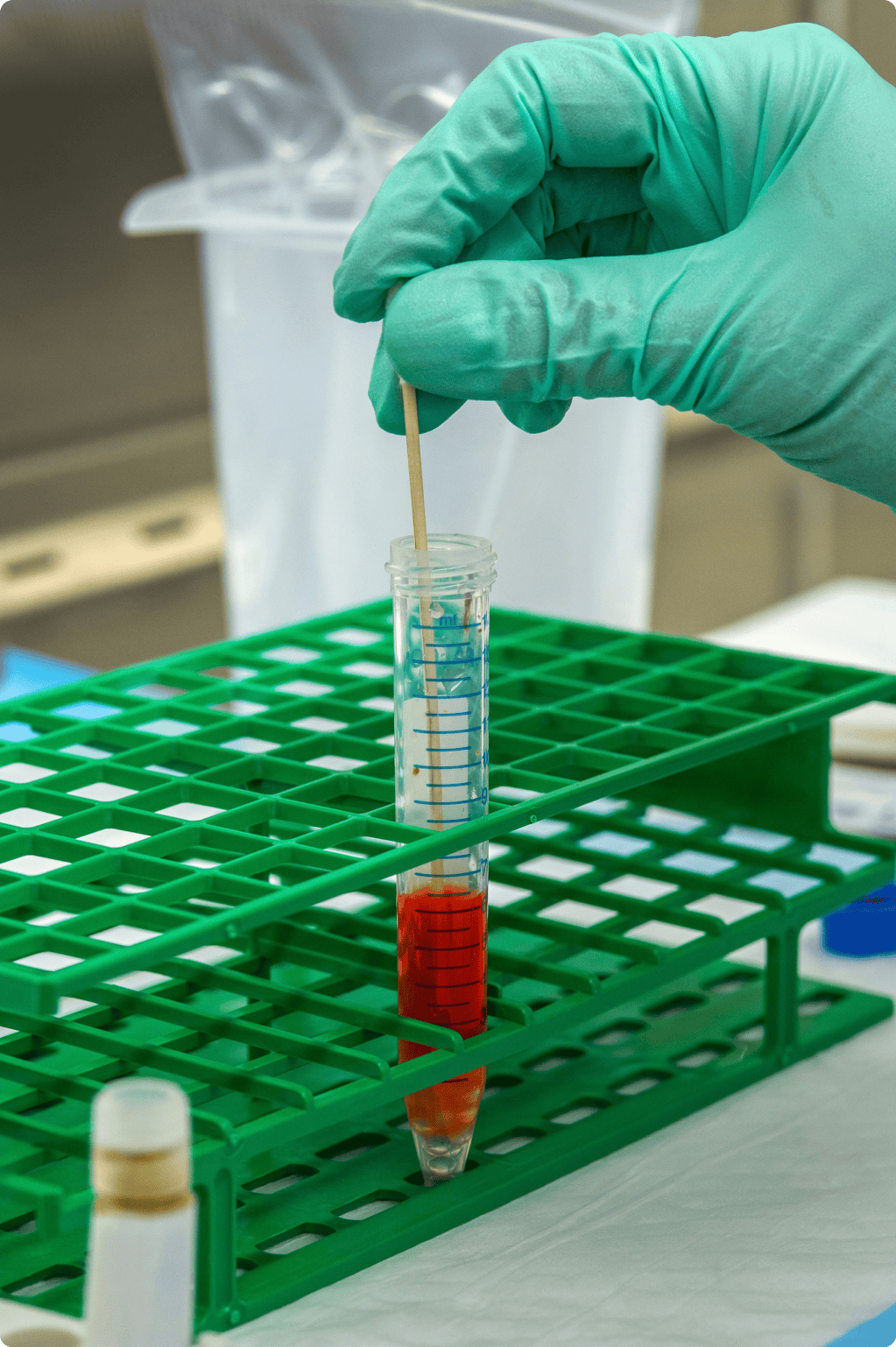
We worked with local testing labs to spot-check incoming material against specification, so CoAs were verified rather than simply accepted.
6
Built the Raw Material Portfolio
The qualified enzymes became a portfolio the formulation team could work from, ready to scale into production.
Seven Enzyme Classes, Each With a Primary and Backup Source
Protease
Breaks down protein-based stains such as blood, egg and grass.
Amylase
Breaks down starch-based soils from foods such as pasta, potato and sauces.
Lipase
Breaks down fats and oils, from cooking grease to sebum.
Cellulase
Supports fabric care and helps release soil from cotton fibres.
Mannanase
Breaks down gum-based stains from food thickeners.
Pectinase
Breaks down fruit and vegetable-based stains.
Urease
Breaks down urea, supporting odour control in specialised cleaners.
Primary + Backup
Every class has a qualified backup supplier to protect supply continuity.
The Approach
Three principles kept sourcing practical for an R&D-stage project.
Source During R&D
The enzymes chosen in the lab should be the ones you can buy at scale, so sourcing starts alongside formulation.
Specify Activity, Not Just Product
Clear internal specifications for activity and assay method make suppliers comparable and quality measurable.
Trust, but Verify
Supplier CoAs are checked by independent spot testing of incoming material.
Deliverables
1
Supplier Map
Primary and backup sources for seven enzyme classes.
2
Vendor Qualification
Reviews of supplier specifications, technical data and CoAs.
3
Internal Specifications
Client-owned specifications, including activity assay requirements.
4
Incoming QC Program
Spot-check testing with local labs against specification.
5
Raw Material Portfolio
Qualified enzymes ready for formulation and scale-up.
Lessons Learned
Choose suppliers before the formula locks. Changing an enzyme after development can mean reformulating and repeating testing.
Enzyme activity is not comparable at face value. Different assays and units mean you need your own specification and test method.
A CoA is a starting point, not proof. Independent spot checks on incoming material protect product quality and build confidence in suppliers.
Planning a New Product Line?
From sourcing and qualifying new raw materials to building incoming quality control, we help manufacturers get supply and quality right before scale-up.