


Cell Line Development: Market Dynamics and Technical Foundations of Biologics Manufacturing
Every monoclonal antibody, fusion protein and biosimilar begins with a single engineered cell. Cell line development turns a gene sequence into a stable, high-producing clone that will make the product for its entire commercial life, and the choices made here are effectively permanent.
For biologics developers it is a critical-path step. For investors it is a specialised services market with real technical barriers, direct exposure to the biologics pipeline and a natural link to downstream manufacturing. This guide covers how the work is done, the main host systems, the competitive landscape, the technology trends and how providers make money.
Key Takeaways
- The global market is worth roughly $6.4–7.5 billion and is forecast to grow about 9–10% a year.
- CHO cells produce around 70% of approved biologics and remain the default platform.
- A program typically takes 6–12 months from gene to master cell bank, and sits on the critical path to IND.
- Proprietary platforms, automation and integration with manufacturing are what earn premium pricing.
- Integrated CDMOs often use cell line development as the entry point to much larger manufacturing contracts.
The Market at a Glance
$6.4B
Global market, 2025
9.9%
Forecast CAGR to 2035
~70%
Approved biologics made in CHO
6–12 mo
Gene to master cell bank
Towards Healthcare values the global cell line development market at about $6.44 billion in 2025, rising to around $16.5 billion by 2035, a 9.9% CAGR (Towards Healthcare). Research and Markets puts it higher, at $7.5 billion in 2022 and $14.7 billion by 2030, about 8.9% a year (Research and Markets). The difference largely comes down to what each counts (services, media, reagents and instruments). Either way, growth is driven by expanding biologics and biosimilar pipelines and by more complex formats such as bispecific antibodies and antibody-drug conjugates.
How Cell Line Development Works
The goal is a clonal cell line that expresses the therapeutic protein at commercial levels, with the right quality attributes (correct folding and glycosylation, low variants) and good manufacturability (robust growth, stable metabolism, scalability). The work follows a well-defined sequence:
| Stage | What happens | Why it matters |
|---|---|---|
| Vector design and transfection | The gene is placed in an expression vector with strong promoters and selection markers, then introduced into host cells | Vector design strongly influences productivity and stability, and is a key platform differentiator |
| Selection and amplification | Selective media (e.g. methotrexate, MSX or antibiotics) enrich cells that integrated the gene; some platforms amplify copy number | Determines the pool of candidates to clone from |
| Single-cell cloning | Individual cells are isolated by limiting dilution, FACS or automated dispensing and grown into clonal populations | Clonality is a regulatory expectation and lets developers pick the best producer |
| Clone screening | Hundreds to thousands of clones are ranked on productivity, growth, metabolism and early product quality | Balances breadth of screening against depth of characterisation |
| Stability studies | Lead clones are cultured over extended periods (commonly 60+ population doublings) to check productivity and quality hold | Unstable clones are rejected, which can add months |
| Master cell bank (MCB) | The chosen clone is banked and fully characterised: identity, purity, sterility, mycoplasma and adventitious agents | The MCB supplies all future manufacturing; switching later is costly |
Testing the master cell bank brings in other specialist services. Our mycoplasma testing guide covers one of the key release tests. Banking, characterisation and stability work also depend on qualified, calibrated equipment (see our calibration and qualification guide).
Build or Outsource?
Running cell line development in-house gives control and IP advantages but needs specialised facilities, analytical capacity and experienced molecular and cell biologists. Outsourcing gives access to proven platforms and teams, at the cost of technology transfer and dependence on a partner for a critical step. Most emerging biotechs outsource, and many large companies outsource selectively.
Host Cell Systems
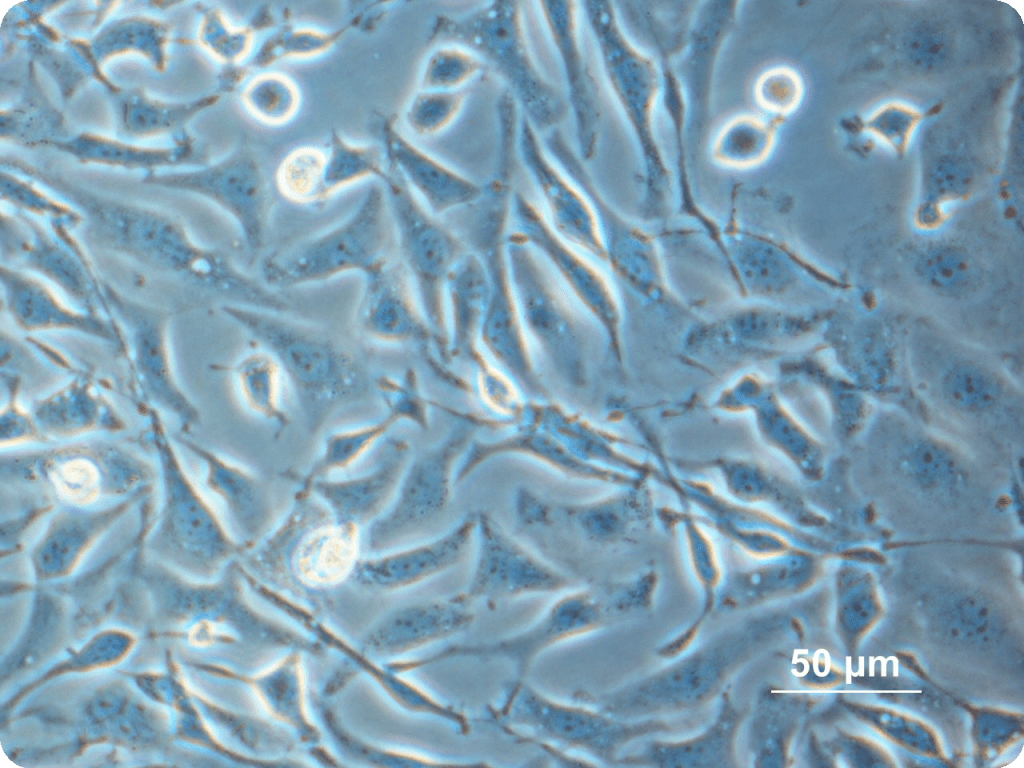
The choice of host shapes development strategy, manufacturing economics and product quality. CHO dominates because of decades of regulatory precedent, well-understood biology and human-compatible glycosylation. Common variants include CHO-K1, DHFR-deficient CHO-DG44, suspension-adapted CHO-S, and proprietary lines such as Lonza’s GS Xceed system and MilliporeSigma’s CHOZN.
| System | Typical uses | Strengths | Limitations |
|---|---|---|---|
| CHO | Most antibodies and therapeutic proteins | Deep regulatory precedent, scalable suspension culture, human-like glycosylation | Crowded, price-competitive service market; small amounts of non-human glycans such as Neu5Gc |
| Human (HEK293, PER.C6) | Proteins needing fully human glycosylation, viral vectors | Authentic human modifications; some proteins express better | Less precedent, extra viral safety testing, some lines adherent |
| Microbial (E. coli) | Insulin, growth hormone, enzymes, some biosimilars | Fast, simple and low cost | No glycosylation; mature, slow-growing segment |
| Yeast | Insulin analogues, some vaccines and enzymes | Eukaryotic folding with simple processes | Non-human glycosylation unless glycoengineered |
| Insect (baculovirus) | Virus-like particle vaccines, e.g. Flublok and Cervarix | High productivity for complex particles | Different glycosylation; specialised niche |
| Plant | Early-stage and research applications | Scalable, no human pathogen risk | Plant glycans, limited precedent and commercial uptake |
What’s Driving Demand
A Deep Biologics Pipeline
Hundreds of antibodies and other biologics are in clinical development, and each program needs a characterised cell line and master cell bank before its IND, typically 12–18 months before filing. Because programs and partnerships are often publicly disclosed, the pipeline gives unusually good visibility into future demand.
Biosimilars
Each biosimilar needs its own independently developed cell line and process. With major biologics such as adalimumab, bevacizumab, rituximab and trastuzumab off patent or losing exclusivity, and the biosimilars market forecast to reach about $76 billion by 2030 (Grand View Research), this is a large source of demand, though a more price-sensitive and speed-focused one.
Cell and Gene Therapy
Producer cell lines for AAV, lentiviral and retroviral vectors bring different challenges, including vector titre, empty capsids and replication-competent virus. The segment is smaller but growing fast and supports premium pricing for specialists.
Geography
North America and Europe still account for most spending, but China in particular has seen rapid growth in biologics and biosimilar development, with strong local providers and aggressive pricing. India and South Korea are also growing.
Technology Trends

Automation and High-Throughput Screening
Robotic liquid handling, automated colony picking and integrated data systems shorten timelines and allow broader screening. Full platforms can cost $2–5M or more, which favours established providers.
Gene Editing
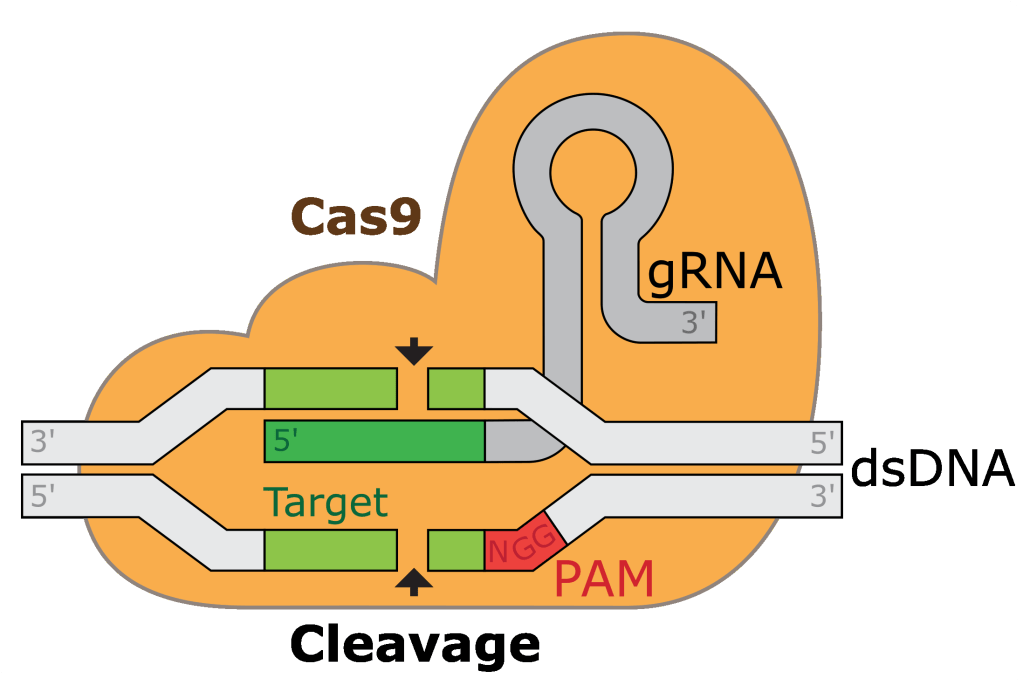
CRISPR enables targeted integration into high-expression sites, knockouts of competing genes and engineered metabolism, giving more predictable clones and simpler selection.
Glycosylation Control
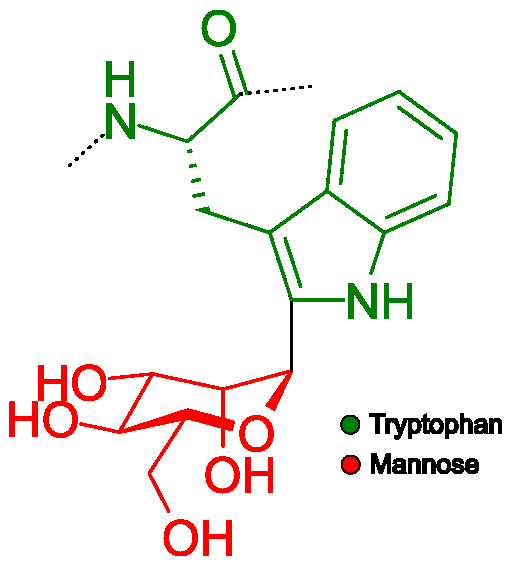
Glycoengineering and media design produce more consistent glycan profiles, which can enhance ADCC, extend half-life or reduce immunogenicity.
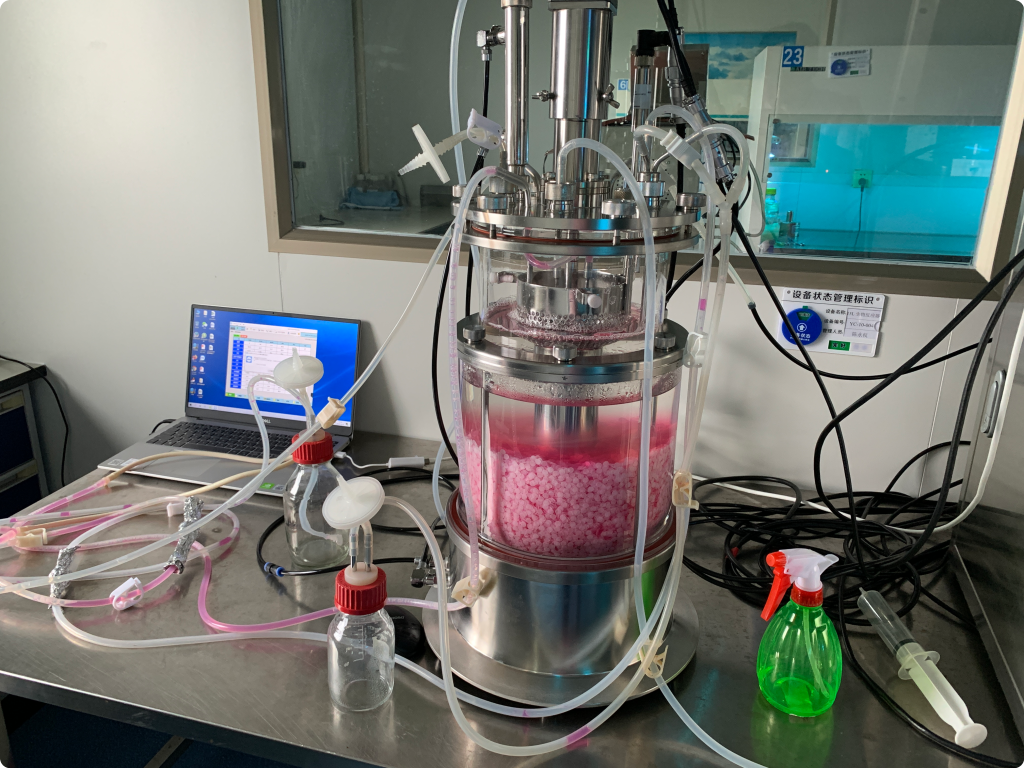
Analytics and AI
Machine learning is used to predict high producers and stability from early data. It is still early-stage and depends on large historical datasets, which favours larger players.
Competitive Landscape
The market combines integrated CDMOs, specialist developers and platform licensors:
- Integrated CDMOs such as Lonza (GS Xceed), Samsung Biologics, WuXi Biologics and Boehringer Ingelheim (BioXcellence) take a product from cell line through commercial manufacturing. Seamless progression and manufacturing capacity create strong switching costs.
- Specialists such as Selexis (SUREtechnology) and ATUM compete on platform performance, speed and flexibility, and will work with whichever manufacturer the client chooses.
- Platform licensors license proprietary systems for clients to use in-house, earning upfront fees, access fees and sometimes royalties.
“For an integrated CDMO, the cell line is often the entry point to a decade of manufacturing revenue.”
Integrated providers may price cell line work aggressively to win the far larger manufacturing contract that follows. Specialists, meanwhile, are natural acquisition targets for CDMOs that want to strengthen their technical platforms.
How Providers Make Money
| Model | How it works | Pros | Cons |
|---|---|---|---|
| Fee for service | A defined program from clone generation to MCB, typically $200,000–600,000+ | Predictable revenue, clear costs for clients | Revenue is front-loaded and not tied to product success |
| Success-based | Lower upfront fees plus milestones, royalties or manufacturing commitments | Aligns incentives and suits cash-constrained biotechs | Uncertain, long-dated revenue that needs tracking and negotiation |
| Platform licensing | Clients license the platform for internal use | Capital-light, with long-term relationships | Concentrated customers; risk that clients build their own alternatives |
Established providers typically earn gross margins of around 40–60%, with significant operating leverage because specialised staff and facilities are largely fixed costs. Proprietary platforms and expedited timelines command premiums.
Valuation and Risks
Pure-play service providers have typically been valued at around 2–4x revenue or 10–15x EBITDA, depending on growth, profitability and differentiation. Integrated CDMOs command higher multiples thanks to recurring manufacturing revenue, and platform companies can earn premiums if their technical advantage and licensing base are proven. Strategic buyers have paid up for differentiated capabilities.
- Biotech funding cycles. Demand follows biologics investment. Programs already under way rarely pause, but new starts drop when funding tightens.
- Unproven differentiation. Claimed platform advantages are hard for non-specialists to verify. Look for evidence in pricing, retention and win rates.
- Price pressure in CHO services and biosimilars, especially from Asia-based providers.
- Customer concentration in platform licensing and among a few large programs.
- Technology shifts, such as gene-edited platforms or AI-driven selection, that could erode legacy approaches.
What This Means for Investors
Cell line development gives direct exposure to biologics growth through a technically demanding service with real switching costs. The strongest businesses either own a proven platform or use cell line work to anchor long-term manufacturing relationships. When evaluating a target, we’d focus on:
- Is the platform demonstrably better (titres, timelines, approvals supported), and is it protected by IP?
- How many client programs have reached the clinic or market on the provider’s cell lines?
- What share of revenue is fee-for-service versus milestones, royalties and licensing?
- How exposed is the business to biosimilar price pressure and to competition from China-based providers?
- Does the provider have a route to downstream manufacturing, through its own capacity or partners?
- How deep is the scientific team, and how dependent is the business on a few key people?
Terraforme Biosciences supports investors with technical and commercial due diligence on life sciences service businesses. Learn more about our M&A support.
At a glance
$6.4B
Global market, 2025
9.9%
Forecast CAGR to 2035
~70%
Approved biologics made in CHO
6–12 mo
Gene to master cell bank
Evaluating a CDMO or cell line development business?
Related Insights

Evaluating a Cell Line Development or CDMO Business?
We provide technical and commercial due diligence on platforms, pipelines and manufacturing strategy for investors and operators.

