


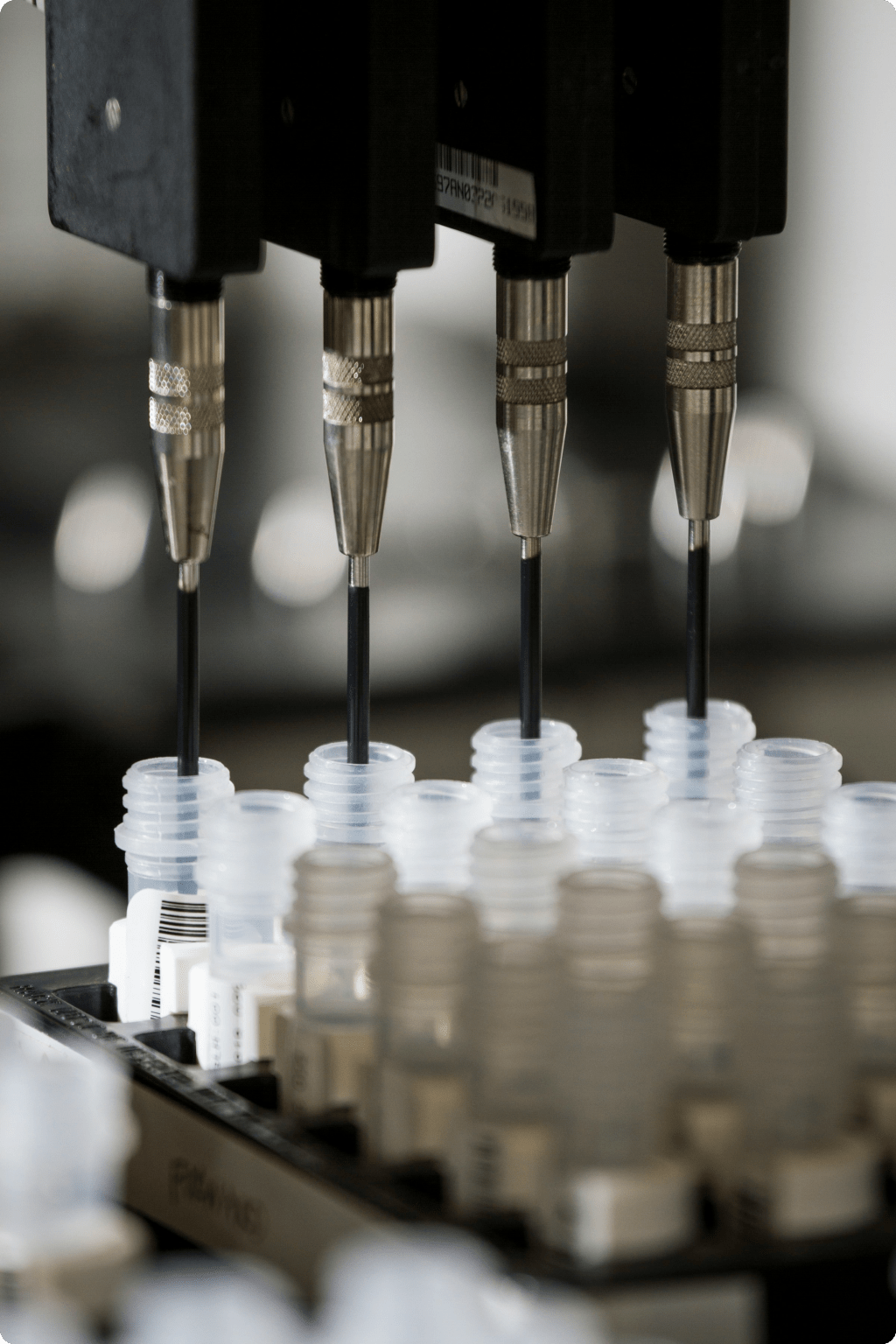
The Calibration and Qualification Services Market: An Investor’s Guide to Pharma’s Compliance Backbone
Every balance, HPLC, incubator and freezer in a pharmaceutical plant has to prove it is accurate, and every new piece of equipment has to prove it works as intended before it touches product. Calibration and qualification providers do that work. It is unglamorous, mandatory and recurring, which is exactly why it appeals to investors.
This guide explains what these services are, why demand is driven by regulation rather than budgets, how accreditation shapes competition, how the main delivery models make money, and what to look for when evaluating a provider.
Key Takeaways
- Calibration is required by regulation (for example 21 CFR 211.68), so spending continues through downturns.
- The global calibration services market is worth roughly $6–7 billion and growing at about 4.5–8% a year. Medical and pharma-related segments are growing faster.
- ISO/IEC 17025 accreditation is the price of entry. It takes 12–24 months to obtain and is granted for a specific scope.
- Qualification (IQ/OQ/PQ) and temperature mapping are higher-value add-ons that raise revenue per client.
- The market is fragmented: a handful of large players and many regional specialists, which suits buy-and-build strategies.
The Market at a Glance
$6–7B
Global calibration services, 2024
4.5–8%
Forecast CAGR to 2030
$1.46B
Medical equipment calibration, 2023
12.3%
Medical segment CAGR to 2030
Estimates vary by research firm, but the global calibration services market was valued at about $6.2–7.3 billion in 2024 and is forecast to reach $9.2–11.6 billion by 2030 (IMARC, MarketsandMarkets, Research and Markets). Medical equipment calibration alone passed $1.46 billion in 2023 and is expected to grow at 12.3% a year (Grand View Research), driven by biologics, stricter regulation and more complex instruments.
Why Demand Is Mandatory
Calibration means comparing an instrument against a reference standard of known accuracy, traceable to a national body such as NIST, and documenting any deviation. Qualification goes further, proving that equipment, utilities and facilities are installed correctly, operate within limits and perform reliably in production.
Both are written into the rules. The FDA’s 21 CFR 211.68 requires automatic, mechanical and electronic equipment to be routinely calibrated, inspected or checked under a written program, and EU GMP (including Annex 15 on qualification and validation) sets the same expectations in Europe. A manufacturer cannot skip a calibration cycle to save money without risking inspection findings. For an investor, that means recurring revenue tied to the installed base of equipment rather than to the economy.
What the Services Are
Calibration work falls into a few technical families, each with its own equipment, skills and competitive dynamics:
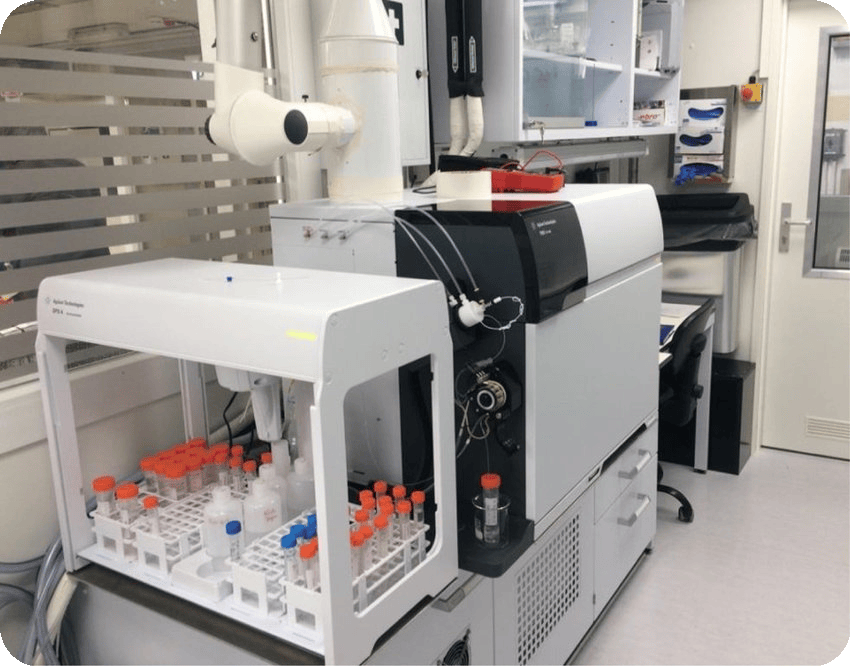
Analytical and Chemical
Balances, weights, pipettes and laboratory analyzers used in QC. Usually calibrated at least annually. Growth comes from automated liquid handling and more sophisticated instruments.
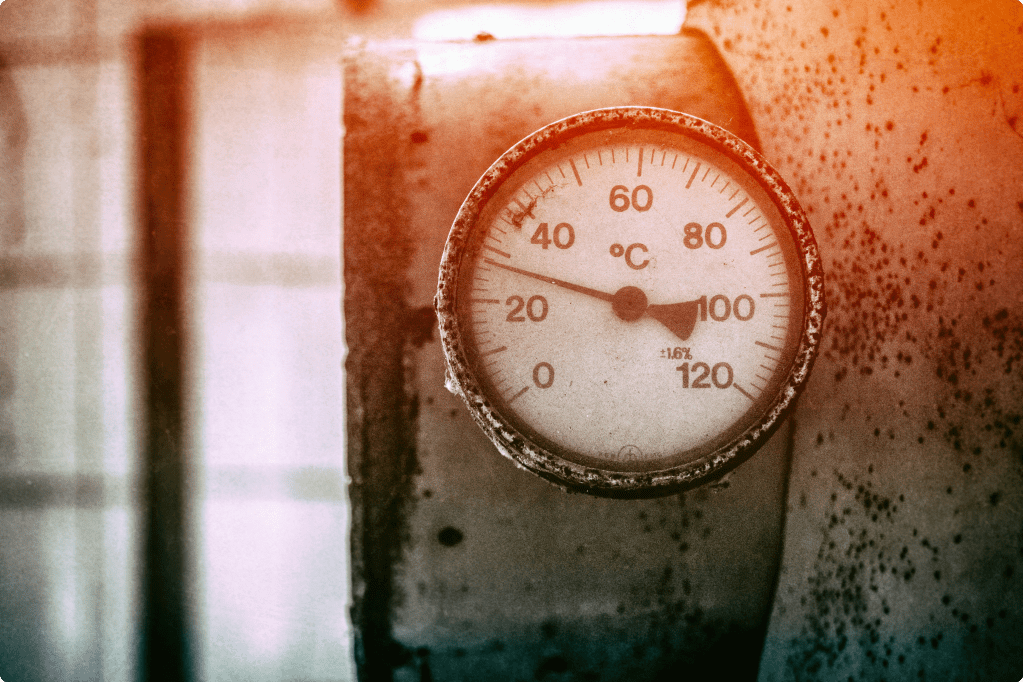
Thermodynamic
Temperature and pressure for incubators, stability chambers, autoclaves, freezers and HVAC. This is critical for biologics and vaccines, and needs specialised baths, dry-block calibrators and standards.
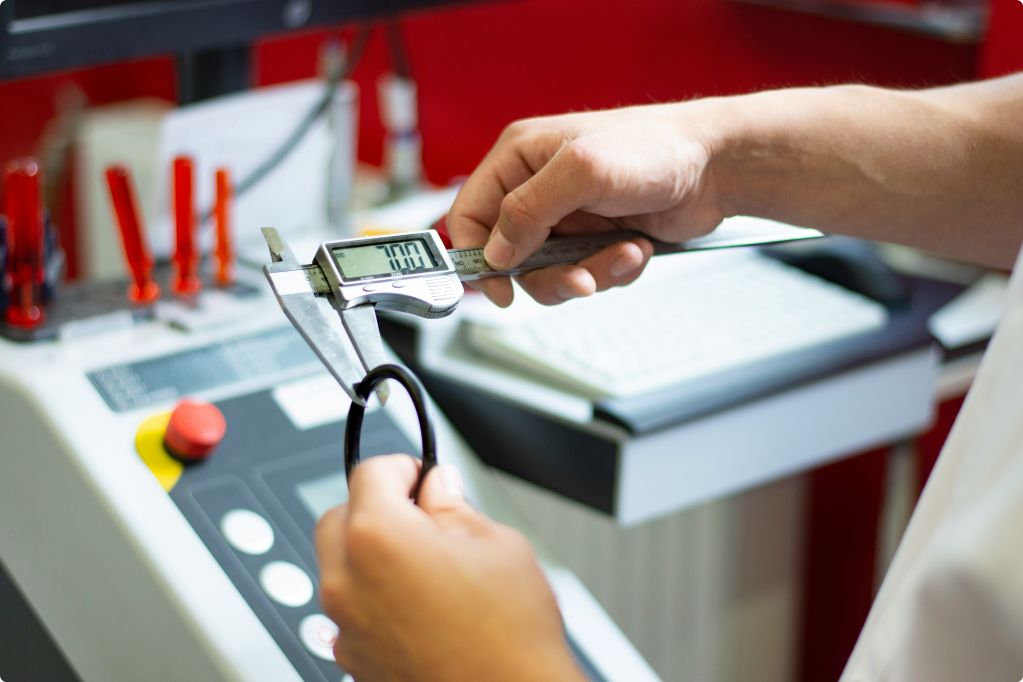
Dimensional and Mechanical
Calipers, micrometers, gauges and hardness testers for manufacturing and packaging. Lower capital needs mean more competitors and more pricing pressure.
Temperature Mapping
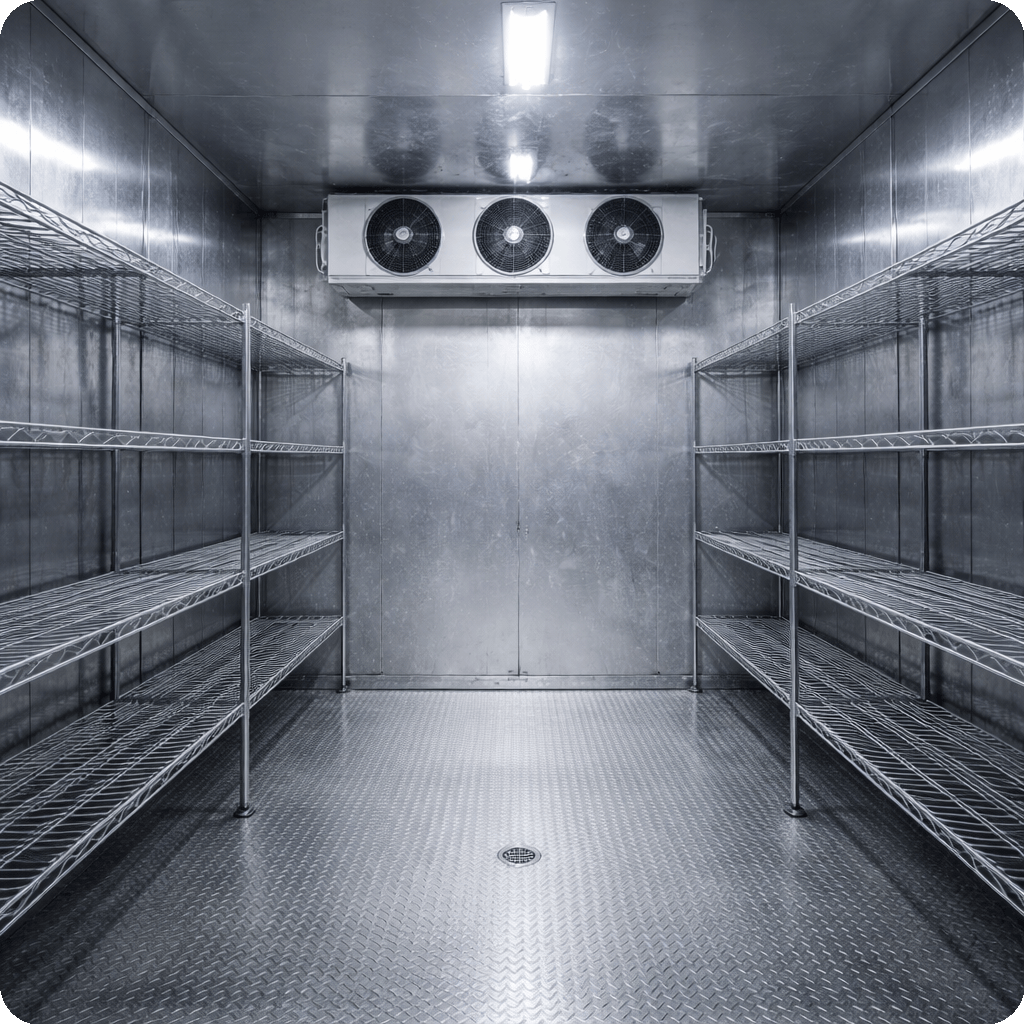
Multi-day studies with calibrated data loggers to prove storage areas, cold rooms and chambers hold temperature evenly. A higher-value, project-based service.
Qualification follows a set sequence. Each phase is a separate deliverable, and each is triggered by new equipment, facility changes or major maintenance:
| Phase | What it proves | When it is needed |
|---|---|---|
| Installation qualification (IQ) | Equipment is delivered, installed and configured to specification | New equipment, relocations, facility expansions |
| Operational qualification (OQ) | Equipment operates within its specified ranges, including worst-case conditions | After IQ, before routine use |
| Performance qualification (PQ) | Equipment performs consistently in real production with real materials and operators | Final step before release to production |
| Requalification | Equipment is still fit for purpose | Periodically, and after significant changes or deviations |
Temperature Mapping: A High-Value Niche
Temperature mapping is required wherever temperature-sensitive products are stored. Guidance includes USP General Chapter <1079.4> and WHO Technical Report Series No. 961, Annex 9, Supplement 8. Studies typically run long enough to capture two working weeks and two weekends, and for chambers they include empty, loaded and door-opening recovery tests. Logger placement accounts for loading docks, HVAC outlets, external walls, traffic and tall racking.
“Calibration opens the door; qualification and mapping are where the margin is.”
Projects typically range from $10,000 to more than $50,000 and are repeated every 2–3 years, or sooner after facility, HVAC or product changes. Growth in biologics stored at 2–8°C, and in new cleanroom and cold-chain capacity, keeps demand rising. (Our cleanroom construction guide covers how these services attach to new facility builds.)
Accreditation: The Gatekeeper
ISO/IEC 17025 is the international standard for the competence of testing and calibration laboratories. It covers personnel competence, equipment and reference standards, validated methods, measurement uncertainty, traceability, environmental controls and quality management. The current version (2017) added risk-based thinking and a stronger focus on impartiality.
Laboratories are accredited, not certified, by national bodies. In the US these include A2LA, ANAB, IAS and NVLAP, all signatories to the ILAC Mutual Recognition Arrangement, which means certificates are accepted internationally. Accreditation is granted for a defined scope of measurement types and ranges, so two “accredited” labs can have very different capabilities.
What Accreditation Means for an Investor
Getting accredited typically takes 12–24 months and requires investment in facilities, reference standards, quality systems, staff training, uncertainty analysis and proficiency testing. That protects incumbents, but keeping it means ongoing costs for surveillance audits and equipment. Each new laboratory location usually needs its own accreditation, which slows geographic expansion and protects regional players. In diligence, check the scope against the target’s revenue mix.
How Providers Deliver the Work
| Model | How it works | Strengths | Constraints |
|---|---|---|---|
| Fixed laboratory | Customers ship instruments to an accredited lab | Concentrated standards, controlled environment, strong operating leverage as volume grows | 1–3 week turnaround, shipping logistics, unsuitable for large or installed equipment |
| Field service | Technicians calibrate on site with portable standards | Minimal downtime for customers, premium pricing, closer relationships | Higher labour and travel costs, vehicles and kits, harder scheduling |
| Hybrid / integrated | Labs plus field teams, often bundled with qualification and mapping | Cross-selling, higher revenue per client, switching costs | Broader expertise, more complex systems and organisation |
Most sophisticated providers run the hybrid model. Calibration is the entry point, and qualification, mapping and consulting increase revenue per client and make the relationship harder to replace.
What’s Driving Growth
Pharma and Biologics Expansion
The global pharmaceutical market is worth more than $1.4 trillion, and every new line, lab and facility adds equipment to the installed base. Biologics and cell and gene therapies are especially equipment- and environment-intensive.
Stricter Regulation and Data Integrity
Inspectors pay close attention to calibration programs, maintenance and qualification records. The focus on data integrity and computerised systems adds qualification work, and GMP standards in China, India and Brazil are moving closer to US and EU norms.
More Complex Instruments
UHPLC, high-resolution mass spectrometry, sequencing platforms and automated cell culture all need specialised calibration, shifting the mix toward higher-value work. Digital certificates, connected monitoring and automated scheduling are becoming differentiators.
Outsourcing
Small and mid-sized biotechs rarely justify an in-house metrology lab, and even large pharma outsources specialist work and remote sites. Outsourcing turns a fixed cost into a variable one and gives access to accredited scope.
Geography
Asia-Pacific is the fastest-growing region as manufacturing capacity expands in China, India, South Korea and Southeast Asia. Local competitors there often compete hard on price.
Competitive Landscape
Market reports list instrument makers such as Fluke and Tektronix (both Fortive), Keysight, Endress+Hauser and Rohde & Schwarz alongside independent service groups such as Transcat and Trescal (Lucintel). Even so, the market remains fragmented, with many regional and pharma-focused specialists.
Large providers offer global networks, broad accreditation scope and strong quality systems, but face procurement pressure on commodity work. Specialists win on pharma expertise, turnaround and service, and can serve customers the majors decline, but they are limited by geography, capacity and capital. That combination makes well-run regional specialists natural acquisition targets and the sector suited to roll-ups.
Price matters most for basic calibration. For complex analytical work, qualification projects and mapping, customers care more about expertise and the consequences of failure. Switching costs grow with integration: a single-service vendor is easy to replace, but one that runs a client’s whole calibration and qualification program is not.
Economics
Gross margins typically range from about 35–55%, depending on service mix and efficiency, with qualification, mapping and complex analytical work at the top of the range. Pricing power comes from the cost of failure: a missed calibration can mean an inspection finding, a recall or a shutdown.
Capital and Scalability
Setting up a lab means environmental controls, reference standards (often $100,000 to more than $1M, depending on scope) and accreditation. Ongoing costs include replacing standards, having them calibrated by higher-level metrology labs, proficiency testing, surveillance audits and software. Fixed labs gain operating leverage as volume grows. Field service has higher variable costs but can earn premium prices. Expanding into a new region usually means building and accrediting a new lab, so growth comes in steps.
Indicative ranges based on industry benchmarks.
Risks to Underwrite
- Commoditisation. Basic calibration faces price pressure from sophisticated procurement and low-cost regional competitors.
- Regulatory change. Tougher rules help incumbents, but longer calibration intervals or alternative verification approaches would reduce volumes. This seems unlikely but is possible.
- Accreditation risk. Losing scope, or failing a surveillance audit, directly hits revenue. ISO/IEC 17025 is revised every several years.
- Talent and utilisation. Skilled metrologists are scarce, and field teams lose billable time to travel.
- End-market dependence. Growth ultimately follows pharma investment. The installed base is stable, but new-build and qualification work is more cyclical.
What This Means for Investors
Calibration and qualification offer mandatory, recurring demand, real barriers to entry and a fragmented market that rewards consolidation. The best platforms combine broad accreditation with pharma depth and an integrated service offer. When evaluating a target, we’d focus on:
- How much revenue is recurring calibration versus project-based qualification and mapping?
- Does the accreditation scope match the revenue mix and growth plan?
- What is the mix of laboratory and field work, and how well utilised are technicians and labs?
- How concentrated are revenues by client, site and end market (pharma versus general industrial)?
- What is the audit and inspection track record, including any customer findings tied to the provider?
- How much capital will the plan need for new standards, labs and accreditations?
Terraforme Biosciences supports investors with technical and commercial due diligence on life sciences service businesses. Learn more about our M&A support.
Sources
- IMARC Group, Calibration Services Market
- MarketsandMarkets, Calibration Services Market
- Research and Markets, Calibration Services
- Grand View Research, Medical Equipment Calibration Services Market
- Lucintel, Calibration Service Market
- 21 CFR 211.68, Automatic, mechanical, and electronic equipment
- ISO/IEC 17025:2017, General requirements for the competence of testing and calibration laboratories
- WHO Technical Report Series No. 961, Annex 9, Supplement 8: Temperature mapping of storage areas
- USP General Chapter <1079.4>, Temperature Mapping for the Qualification of Storage Areas
At a glance
$6–7B
Global calibration services, 2024
4.5–8%
Forecast CAGR to 2030
$1.46B
Medical equipment calibration, 2023
12.3%
Medical segment CAGR to 2030
Evaluating a calibration or validation business?
Related Insights
Evaluating a Calibration or Qualification Provider?
We provide technical and commercial due diligence on accreditation scope, service mix and growth plans for investors and operators.

