


The Cleanroom Construction Market: Capitalizing on Pharmaceutical Manufacturing’s Essential Infrastructure
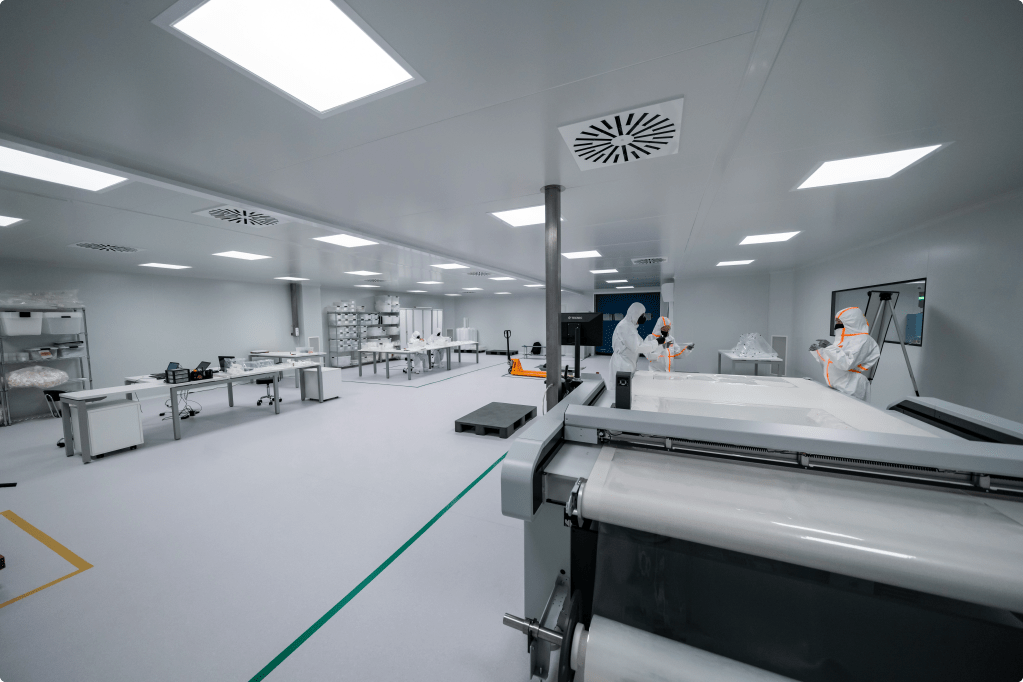
Every biologic, sterile injectable and cell therapy is made inside a cleanroom: a room engineered to control particles, microbes, temperature, humidity and pressure. As biologics and advanced therapies scale, so does demand for the specialists who design, build and qualify these spaces.
For investors looking at pharma services, cleanroom construction is an attractive way to back the industry’s growth without taking drug-development risk. Spending is driven by regulation and capacity, barriers to entry are real, and the best operators turn one-off projects into years of recurring service revenue. This guide covers what you need to know to evaluate the sector: the technical basics, the business models, project economics, the competitive landscape and what drives valuation.
Key Takeaways
- The global cleanroom technology and construction market is about $10 billion and growing at roughly 7% a year. Pharmaceutical manufacturing is the largest end market.
- Cost and complexity rise sharply with cleanliness class. Most pharma projects sit at ISO 5–7 (EU GMP Grades A–C).
- Four business models dominate: design-only, design-build, turnkey and modular. Each has very different margins and risks.
- Projects range from about $0.5M modular suites to $50M+ facilities, and working capital is often the hidden constraint on growth.
- The real value is what comes after the build: qualification, monitoring, calibration and maintenance turn a construction firm into a recurring-revenue services platform.
The Market at a Glance
$10.0B
Global market, 2025
$14.2B
Forecast, 2030
7.1%
CAGR, 2025–2030
42%
Share from pharma manufacturing
The global cleanroom technology and construction market reached an estimated $10.04 billion in 2025 and is forecast to reach $14.16 billion by 2030 (Mordor Intelligence). North America’s cleanroom construction market alone was valued at about $1.2 billion in 2023 and is expected to grow at over 7% a year through 2032 (GMI). Asia-Pacific is the fastest-growing region, at roughly 7.6% a year.
Cleanroom Basics: What Drives Cost
Two frameworks define how clean a room must be. ISO 14644-1 sets nine classes based on airborne particle counts, with ISO 1 the cleanest. Since 2001 it has replaced the old US “Class 100 / 10,000 / 100,000” system, though you’ll still hear those terms. For sterile medicines, EU GMP Annex 1 adds Grades A to D, which map onto ISO classes. The updated Annex 1 took effect in August 2023 and has raised expectations for contamination control strategies, monitoring and barrier technology, driving a wave of upgrades.
| EU GMP grade | ISO class (at rest / in operation) | Typical use |
|---|---|---|
| Grade A | ISO 5 / ISO 5 | Aseptic filling and open sterile operations, usually inside isolators or unidirectional-airflow zones |
| Grade B | ISO 5 / ISO 7 | Background room for Grade A work |
| Grade C | ISO 7 / ISO 8 | Solution preparation, filling of terminally sterilised products |
| Grade D | ISO 8 / not defined | Component handling and lower-risk steps |
Why this matters to an investor: cost scales with cleanliness. An ISO 5 suite needs far more filtered air, tighter controls and more qualification work than an ISO 8 room, and the most extreme classes (ISO 1–3, used mainly in semiconductors) can cost up to 20 times more per square foot than ISO 8. Most pharmaceutical projects target ISO 5–7, which balances contamination control against cost.
A cleanroom project is really four systems working together:
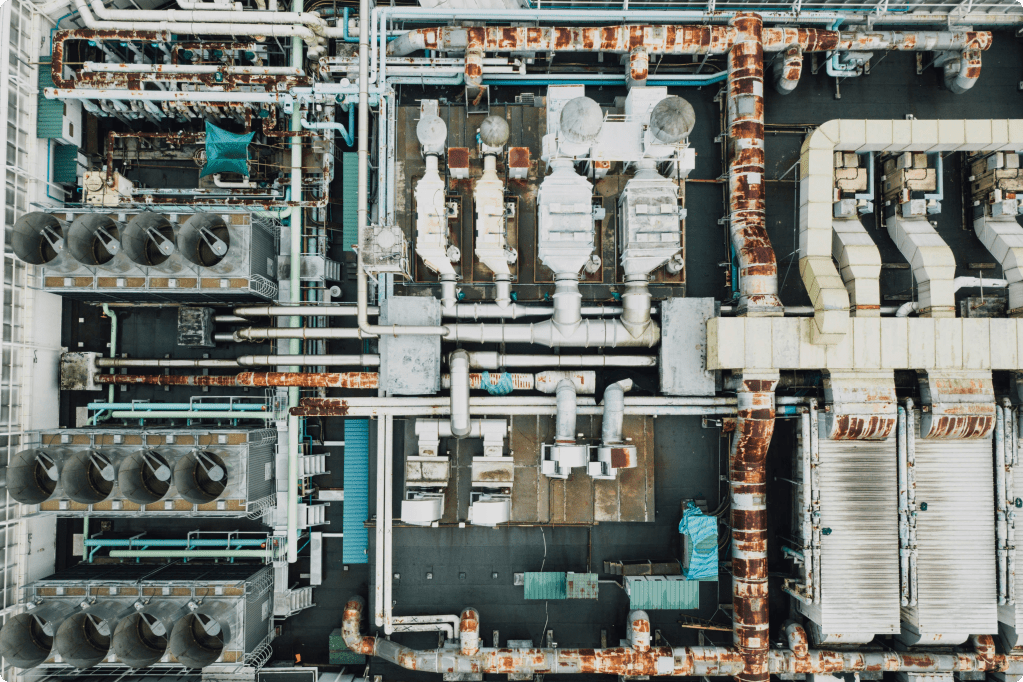
HVAC and Air Handling
The largest and most complex cost item. HEPA/ULPA filtration, air-change rates, temperature (typically 20–22°C), humidity and pressure cascades, often designed with airflow modelling.
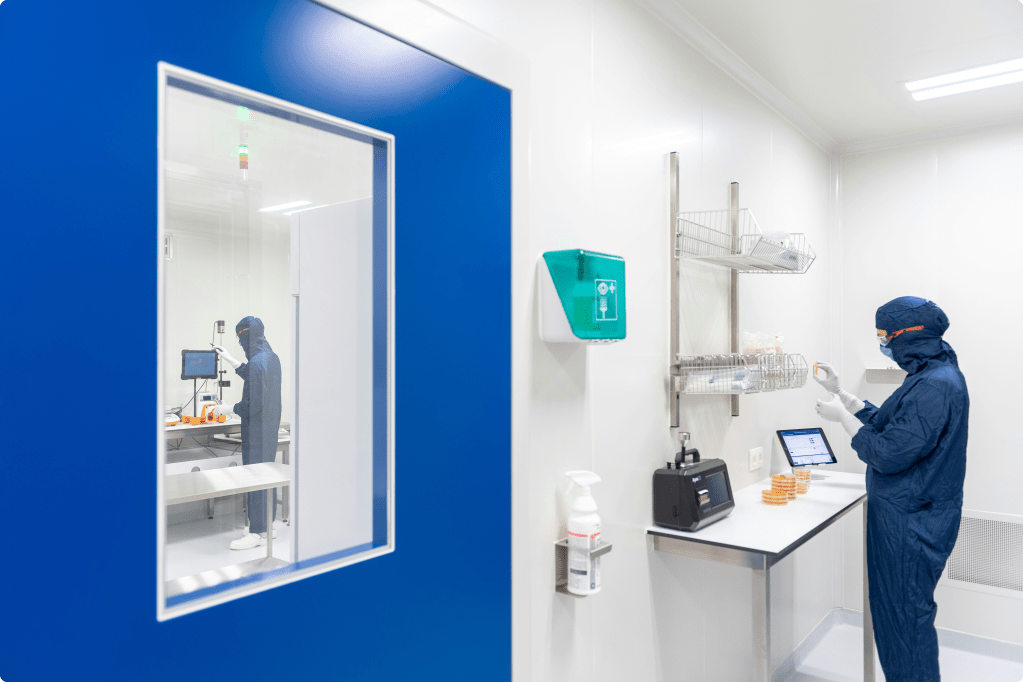
Architectural Finishes
Smooth, cleanable, crevice-free walls, ceilings and floors. Modular hardwall panels are now the dominant method because they install faster and are easier to modify.
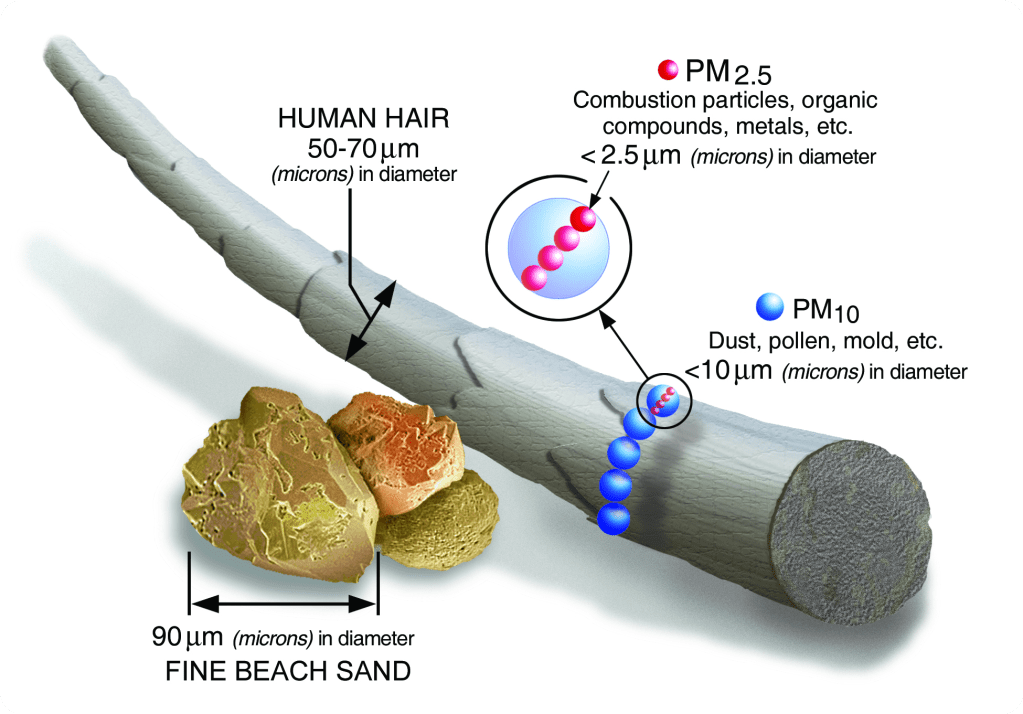
Environmental Monitoring
Particle counters, temperature, humidity and pressure sensors feeding a monitoring platform with alarms and trend reports. This is the fastest-growing component.
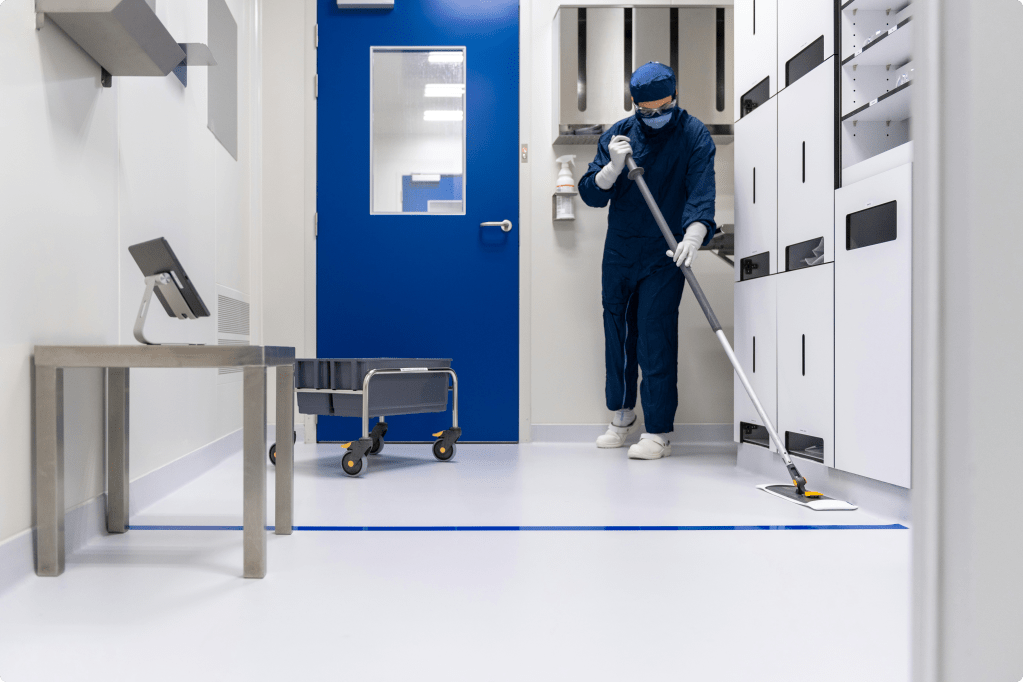
Equipment and Fixtures
Air showers, pass-through chambers, gowning rooms, biosafety cabinets and filling-line enclosures that complete the space.
Four Business Models
Cleanroom firms range from specialist designers to full turnkey contractors. Where a firm sits determines how much of each project it captures, its margins and the risks it carries.
| Model | What they do | Revenue per project | Gross margin | Main risk |
|---|---|---|---|---|
| Design-only | Engineering design, specifications, airflow modelling, construction oversight | About 5–15% of construction cost | 50–70% | Professional liability; limited control of outcomes; hard to scale talent |
| Design-build | Design and construction under a single contract | $2–20M+ | 20–40% | Fixed-price cost overruns, schedule penalties, bonding limits |
| Turnkey | Everything from planning to equipment, qualification and start-up | $10–100M+ | Varies with scope | Requires deep process, validation and regulatory capabilities |
| Modular manufacturer | Prefabricated cleanroom systems built in a factory | Varies; often smaller projects | Varies with price competition | Factory capital up front; price pressure in competitive bids |
Two trends stand out. Design-build has gained share because owners want one accountable party and faster schedules. Modular is the fastest-growing segment: modular suites can be installed up to 50% faster than traditional “stick-built” rooms and can be expanded or relocated later, which suits companies with uncertain capacity needs.
What’s Driving Demand
Biologics and Cell and Gene Therapy
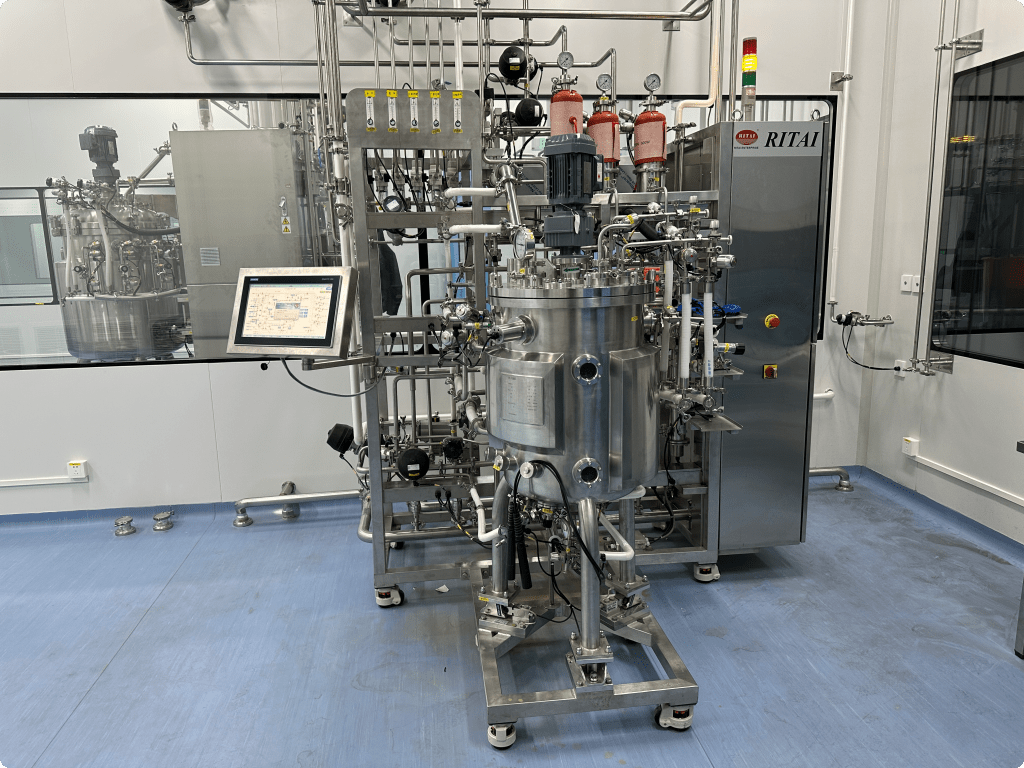
Biologics such as monoclonal antibodies, proteins and vaccines are made in cell-culture processes that need tightly controlled ISO 5–7 space. Cell and gene therapies add a multiplier: many are made patient by patient, which favours many smaller, distributed facilities rather than a few large plants, so there are more projects for the same output.
Regulation
Pharmaceutical cleanrooms are mandatory, not optional. The revised EU GMP Annex 1, ongoing FDA inspection findings, and GMP standards in China, India and Brazil moving closer to US and EU norms all push manufacturers to upgrade existing facilities and build new ones to current expectations.
Automation and Digital Monitoring
Robotics, continuous manufacturing and real-time environmental monitoring all need purpose-built cleanroom infrastructure. Energy efficiency is also a growing priority: cleanrooms run their HVAC around the clock, so variable-speed drives, low-pressure-drop components and predictive maintenance are increasingly standard.
Geography
Asia-Pacific is growing fastest as China, India, South Korea and Southeast Asia build GMP capacity. In the US and Europe, efforts to bring drug and semiconductor manufacturing closer to home are adding further demand.
Project Economics
| Project tier | Typical value | Typical scope | Timeline |
|---|---|---|---|
| Small modular | $0.5–2M | Lab, pilot or clinical suites, usually ISO 7–8 | 3–6 months |
| Mid-scale | $2–10M | Manufacturing suites in existing buildings, CDMO expansions, cell therapy or viral vector space, ISO 5–7 | 9–18 months |
| Large facility | $10–50M+ | Full manufacturing facilities with multiple grades, utilities and process integration | 24–36 months |
| Campus | $50–500M+ | Multi-building manufacturing campuses | 3–5+ years |
As a rough benchmark, basic ISO 7–8 space costs about $200–500 per square foot, while sophisticated ISO 5 suites with integrated equipment can reach $1,000–3,000 or more, compared with $100–200 for conventional commercial space. Contractor gross margins typically fall between 20% and 40%. Fixed-price design-build work can sit at the top of that range when projects are well executed, but carries the downside if they aren’t.
Watch the Working Capital
Projects are usually paid in stages: a 10–20% deposit, monthly progress payments on 30–45 day terms, and 5–10% retention held until completion or the end of the warranty period. Contractors fund labour and materials before they are paid, and large clients often require performance and payment bonds. The result: a growing backlog consumes cash before it produces profit, and bonding capacity can cap growth even when demand is strong. Diligence should look closely at both.
The Real Opportunity: The Cleanroom as a Gateway
The most interesting part of this market is not the build itself. The firm that designs and builds a client’s cleanroom knows that facility better than anyone, and has worked closely with the client’s engineering, quality and leadership teams for months or years. That makes it the natural provider of everything the room needs for the rest of its life.
“The firm that builds a client’s cleanroom becomes the natural provider of everything that room needs for the rest of its life.”
| Lifecycle service | What it involves | Why it matters |
|---|---|---|
| Qualification (IQ / OQ / PQ) | Documenting that systems are installed correctly, operate within limits and perform in production | Often 10–20% of construction value combined, and required before commercial manufacturing |
| Environmental monitoring | Routine particle and microbial monitoring, pressure and temperature trending, monitoring-system support | Ongoing, and among the fastest-growing segments |
| Calibration | Particle counters, sensors, gauges and airflow instruments | Recurring annual revenue |
| Temperature mapping | Studies for storage areas, cold rooms and stability chambers | Typically $10,000–50,000+, repeated every 2–3 years |
| Maintenance and requalification | Filter replacement, HVAC service, repairs, modifications and expansions | Recurring revenue plus follow-on projects |
Professional services already make up about two-thirds of the cleanroom technology market (Towards Healthcare), with validation, qualification and certification expected to grow fastest. Firms that pair construction with these services see better retention and higher lifetime value per client, and the market tends to reward that with higher valuations.
Build, Buy or Partner?
For an existing pharma services company, such as a calibration, validation or quality firm, adding cleanroom capability is a logical next step, but building it from scratch is hard. Specialist engineers are scarce, and credibility, subcontractor networks and bonding capacity take years to establish. Acquiring an established contractor delivers capability, clients and backlog immediately, but brings integration and liability risk. For many firms, a strategic partnership is the best first step: it allows cross-referrals and bundled offers now, and can become an acquisition once the fit is proven.
Competitive Landscape and Consolidation
The market combines a handful of global engineering and construction firms, such as Exyte (formerly M+W Group), specialist modular suppliers and a long tail of regional design-build contractors. Large players bring global reach, in-house capabilities and bonding capacity. Regional specialists compete on relationships, responsiveness and niche expertise, such as cell therapy or viral vector suites, and often earn strong margins in their home markets, but they hit limits on project size and geography.
Consolidation is under way. The acquisition of Ardmac by Purever Industries in July 2024 is one example. Large pharma companies and CDMOs prefer fewer, more capable vendors, and private equity sees a fragmented market that suits a buy-and-build strategy. For investors, that means two things: well-run regional firms are attractive targets, and rolling them up only works if key engineers and client relationships stay through integration.
Risks to Underwrite
- Execution. A room that fails to reach its classification, or a delayed qualification, can turn a profitable fixed-price job into a loss, especially where contracts carry penalties for late delivery.
- Regulatory change. Annex 1, FDA expectations and ISO 14644 updates keep moving. Firms that fall behind deliver facilities that fail inspection or need costly remediation.
- Talent. Experienced cleanroom engineers and HVAC specialists are scarce, and talent, not demand, is often what limits growth.
- Cyclicality. Pharma is relatively defensive, but biotech funding cycles and post-merger site rationalisation can delay projects. Diversified clients and exposure to other sectors (semiconductors, medical devices) reduce the risk.
Valuation: What Earns a Premium
Public comparables are limited, so valuations are usually benchmarked against neighbouring sectors. General construction and engineering firms often trade at around 6–12x EBITDA. Specialist pharma service providers (CROs, CDMOs and testing labs) often command 12–20x, reflecting higher margins and recurring revenue. Cleanroom contractors sit between the two, and where they land depends on three things: how much revenue recurs, the depth of their pharma track record and exposure to the fastest-growing segments. Private deal multiples are rarely disclosed, but well-positioned firms have reportedly traded in the low-to-mid teens.
Worked Example: The Platform Effect
Take a cleanroom contractor with $20M revenue and a 25% EBITDA margin ($5M EBITDA). At 10–14x, it might be valued at $50–70M on a standalone basis.
Now assume the acquirer can cross-sell $10M of calibration and validation work at a 40% margin, adding $4M of EBITDA. Combined EBITDA rises to $9M, and a larger share of it is recurring. That is why strategic buyers can justify paying more than a financial buyer looking at the contractor alone.
Illustrative figures only.
What This Means for Investors
Cleanroom construction offers mandatory, regulation-driven demand, high barriers to entry, and a clear path from project revenue to recurring services. When evaluating a target, we’d focus on these questions:
- What share of revenue comes from recurring qualification, monitoring and maintenance work rather than one-off builds?
- How deep is the pharma track record: reference projects, inspection history and repeat clients?
- How are contracts structured, and how have fixed-price projects performed historically?
- Is there enough working capital and bonding capacity to support the growth plan?
- How concentrated are revenues by client, region and end market?
- Will key engineers and client relationships stay after the deal?
Terraforme Biosciences supports investors with technical and commercial due diligence on life sciences service businesses. Learn more about our M&A support.
Sources
- Mordor Intelligence, Cleanroom Technology Market
- Global Market Insights, Cleanroom Construction Market
- Towards Healthcare, Cleanroom Technologies Market Sizing
- ISO 14644-1:2015, Cleanrooms and associated controlled environments
- European Commission, EU GMP Annex 1: Manufacture of Sterile Medicinal Products (2022)
At a glance
$10.0B
Global market, 2025
$14.2B
Forecast, 2030
7.1%
CAGR, 2025–2030
42%
Share from pharma manufacturing
Evaluating a cleanroom or pharma services business?
Related Insights
Evaluating a Life Sciences Services Business?
We provide technical and commercial due diligence for investors and operators, from cleanroom contractors to calibration and validation providers.

