


Types of Cell Therapies: A Comprehensive Guide for Biopharma Leaders
Cell therapies use living cells as the medicine. In less than a decade they have gone from experimental to standard of care for some blood cancers, and they are now moving into solid tumours, autoimmune disease and regenerative medicine. They are not one technology, though. Each type has its own biology, manufacturing model, regulatory path and commercial challenges.
This guide covers the main types of cell therapy, how they work, where they stand clinically and what each one means for manufacturing, regulation and strategy. It is written for biopharma leaders and investors evaluating programs, partners or service providers in the space.
Key Takeaways
- CAR-T is the commercial leader, with approved CD19 and BCMA products in blood cancers. Solid tumours remain the big challenge.
- Since 2024 the field has broadened: the first TIL (Amtagvi), TCR-T (Tecelra) and MSC (Ryoncil) therapies are now FDA-approved.
- Autologous versus allogeneic is the defining strategic choice, shaping cost, logistics, scalability and regulatory risk.
- Manufacturing, potency assays and quality control are often harder than the biology, and they are a major source of demand for CDMOs and testing providers.
- Next waves include allogeneic and iPSC-derived products, armoured and multi-target CARs, and in vivo CAR-T.
The Landscape at a Glance
2017
First FDA-approved CAR-T
~90%
Proteins that are intracellular (TCR-T targets)
3–4 wks
Typical autologous turnaround
15 yrs
Follow-up for integrating vectors
| Type | Cell source | Engineered? | Main uses | Status |
|---|---|---|---|---|
| CAR-T | Patient (mostly) or donor T cells | Yes, synthetic receptor | B-cell cancers, myeloma | Multiple FDA approvals |
| TCR-T | Patient T cells | Yes, natural-type TCR | Solid tumours | First approval 2024 (Tecelra) |
| TIL | Patient’s own tumour lymphocytes | No, selected and expanded | Melanoma, other solid tumours | First approval 2024 (Amtagvi) |
| NK cells | Blood, cord blood, iPSC or cell lines | Optional (CAR-NK) | Blood cancers, solid tumours | Clinical trials |
| HSC transplant | Patient or matched donor | Usually no | Blood cancers, marrow failure, genetic disease | Long-established standard of care |
| MSC | Bone marrow, fat, cord tissue | No | GVHD, inflammation, tissue repair | First US approval 2024 (Ryoncil) |
| iPSC-derived | Reprogrammed stem cell lines | Often | Regenerative medicine, off-the-shelf immune cells | Early clinical |
Autologous or Allogeneic?
The single biggest strategic choice is whether cells come from the patient (autologous) or a donor (allogeneic). Autologous products avoid rejection and have the most regulatory precedent, but every patient is a separate batch, with weeks of manufacturing, strict chain of custody and high cost of goods. Allogeneic, “off-the-shelf” products can be made in large batches and given immediately, but must manage rejection and graft-versus-host disease, often through gene editing.
“Autologous versus allogeneic shapes almost everything that follows: cost, logistics, scalability and regulatory risk.”
Engineered and Expanded Immune Cells
CAR-T
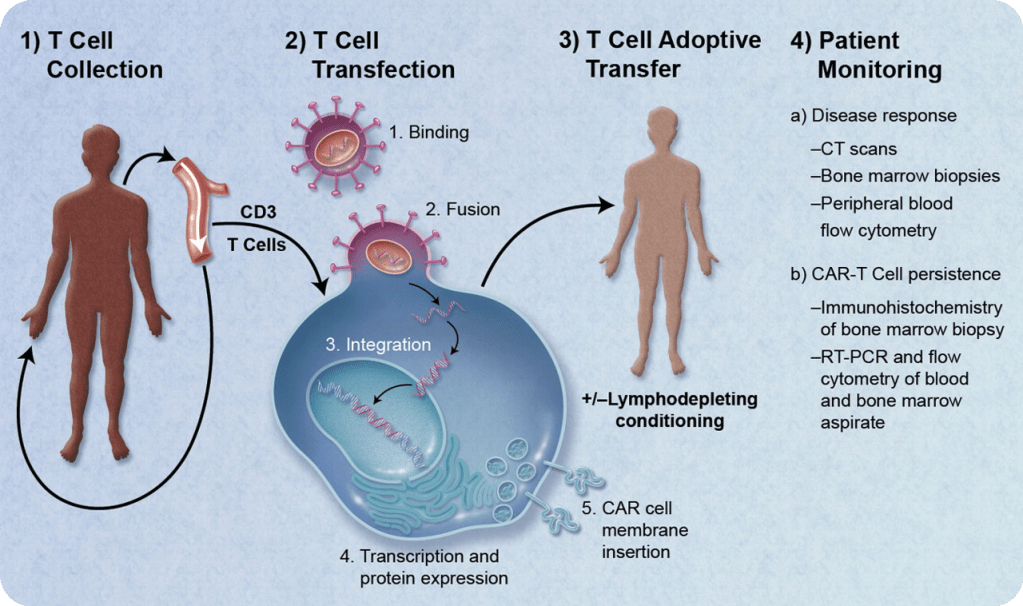
T cells are collected from the patient, engineered to express a chimeric antigen receptor (an antibody-derived binding domain linked to T-cell signalling domains), expanded and infused back. Approved products target CD19 (leukaemias and lymphomas) and BCMA (multiple myeloma), and some patients achieve remissions lasting years. The challenges are cytokine release syndrome, neurotoxicity (ICANS), cost, manufacturing time and, above all, solid tumours, where target heterogeneity and a hostile tumour environment limit efficacy.
TCR-T
TCR-T cells are engineered with T-cell receptors that recognise peptides presented on HLA molecules. Because about 90% of proteins are intracellular, this opens up targets CAR-T cannot reach. The trade-offs are HLA restriction (each product suits only patients with a matching HLA type) and the risk of cross-reactivity with normal tissue. Targets include MAGE-A4, NY-ESO-1 and viral antigens such as HPV E7. The first approval, Adaptimmune’s Tecelra (afamitresgene autoleucel) for synovial sarcoma, came in August 2024.
Tumour-Infiltrating Lymphocytes (TIL)
TIL therapy isolates the T cells that have already infiltrated a patient’s tumour, expands them to billions over several weeks and reinfuses them after lymphodepleting chemotherapy, usually with IL-2. No genetic engineering is involved. Studies in heavily pretreated melanoma have shown meaningful response rates, and Iovance’s Amtagvi (lifileucel) became the first approved TIL therapy in February 2024. Manufacturing depends on surgery and on getting enough cells from each tumour.
Natural Killer (NK) Cells
NK cells are innate immune cells that kill tumour cells without prior sensitisation or HLA matching, and are activated when tumours hide from T cells by down-regulating MHC class I. CAR-NK combines that with CAR targeting. NK products carry a lower risk of cytokine release syndrome and graft-versus-host disease, so they suit allogeneic, off-the-shelf use from cord blood, iPSCs or cell lines. All remain in clinical development.
Stem Cell Therapies
Hematopoietic Stem Cell Transplantation
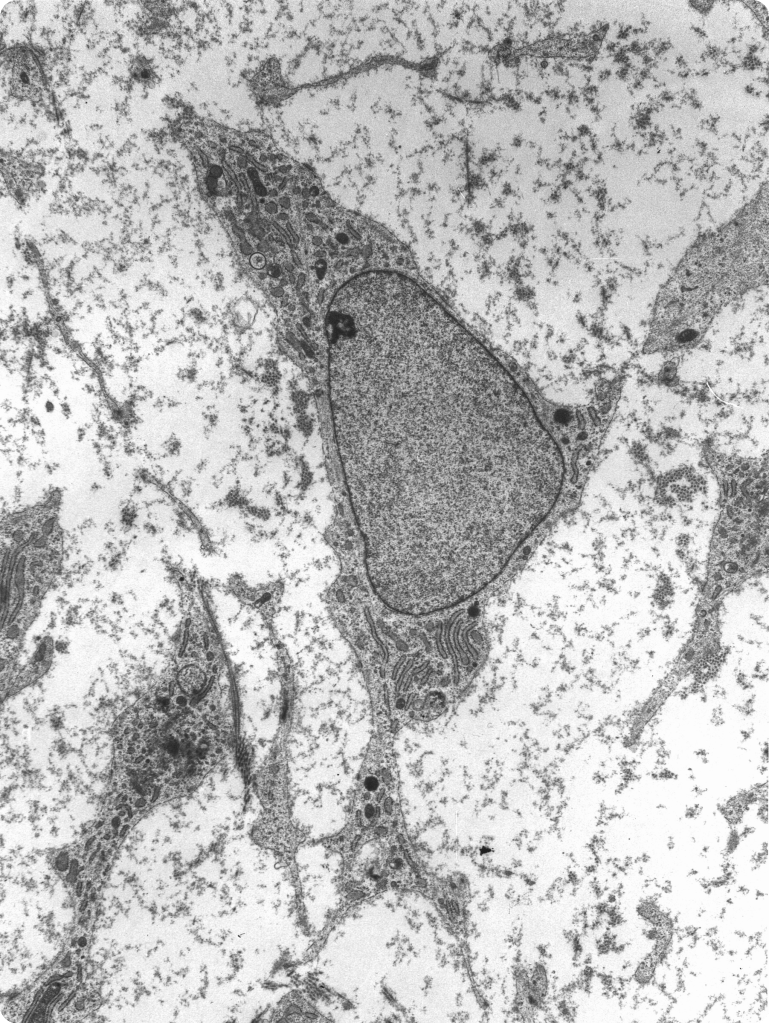
HSC transplantation is the oldest and most widely used cell therapy. Autologous transplants rescue the bone marrow after high-dose chemotherapy in myeloma and lymphoma. Allogeneic transplants from a matched donor also add a graft-versus-tumour effect, offering potential cures for acute leukaemias, at the risk of graft-versus-host disease. Better HLA typing, reduced-intensity conditioning and haploidentical (half-matched family) donors have widened access.
Mesenchymal Stromal Cells (MSC)
MSCs work mainly by releasing factors that calm inflammation and support repair, rather than by becoming new tissue. They have been studied in graft-versus-host disease, inflammatory bowel disease, cardiac and orthopaedic conditions, with mixed results driven partly by variable sourcing, manufacturing and potency. In December 2024 the FDA approved Mesoblast’s Ryoncil (remestemcel-L) for paediatric steroid-refractory acute GVHD, the first MSC therapy approved in the US.
IPSC-Derived Therapies
Induced pluripotent stem cells can be turned into almost any cell type, including cardiomyocytes, dopaminergic neurons, beta cells, and T or NK cells, from a single renewable, engineerable master cell line. That solves the scalability problem of primary cells, but raises others: complete differentiation, teratoma risk, functional maturity and complex regulation. Most programs are in early clinical trials. Banking and characterising these lines draws on the same disciplines as cell line development.
Manufacturing and Quality
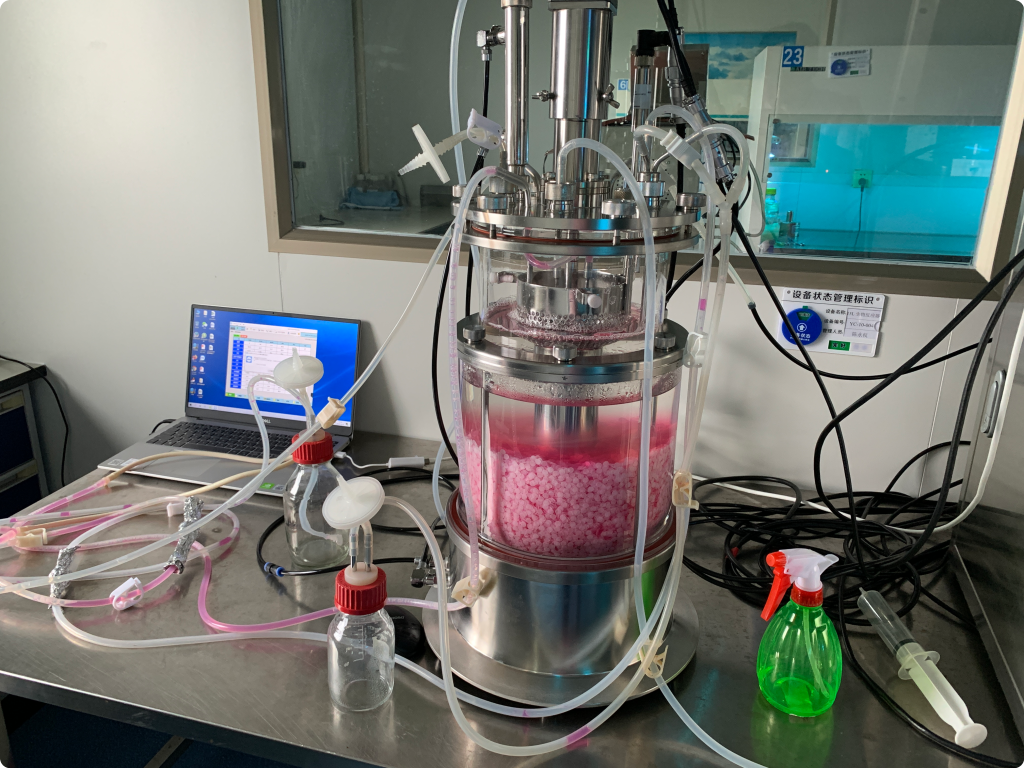
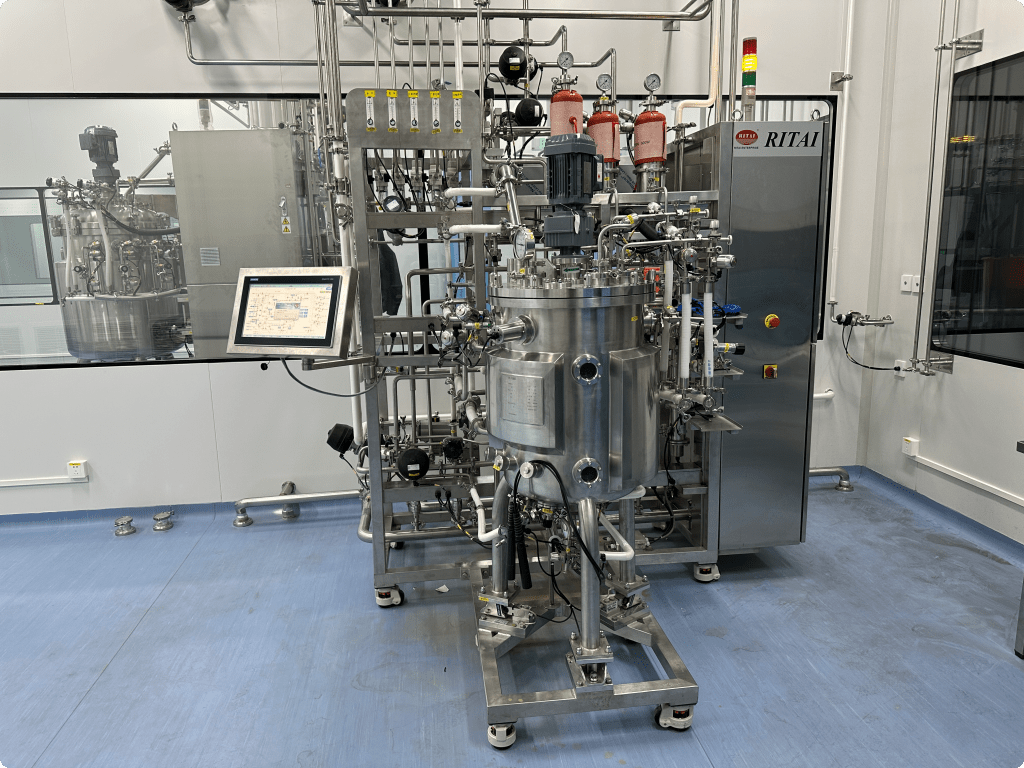
Living cells are variable, sensitive to handling and hard to characterise, so CMC (chemistry, manufacturing and controls) is often the hardest part of a cell therapy program. Setting specifications, building stability programs and, above all, developing meaningful potency assays are recurring challenges. Products cannot be terminally sterilised, so aseptic processing, cleanroom control (see our cleanroom construction guide) and rapid release testing such as mycoplasma testing are critical.
Manufacturing models range from centralised plants to decentralised and point-of-care production, with closed, automated systems improving consistency and cost. Many developers rely on specialised CDMOs, which makes cell therapy a significant driver of demand for contract manufacturing, testing and qualification services.
Regulation
In the US, most cell therapies are regulated as biologics under the Public Health Service Act and need an IND and a BLA. Minimally manipulated products for homologous use may follow a lighter pathway, but most modern therapies involve substantial manipulation. The 21st Century Cures Act created the Regenerative Medicine Advanced Therapy (RMAT) designation to speed development of products for serious conditions.
What Changes for Genetically Modified Products
Engineered cells bring extra scrutiny of vector design, replication-competent virus testing, integration site analysis and long-term follow-up. FDA guidance calls for up to 15 years of follow-up for products using integrating vectors, given the theoretical risk of insertional mutagenesis. In 2024, the FDA also added warnings about secondary T-cell malignancies to approved CAR-T labels.
Where the Field Is Heading
- Solid tumours: armoured CARs that secrete cytokines or resist checkpoint signals, and multi-antigen targeting to prevent antigen escape.
- Autoimmune disease: CD19 CAR-T is showing encouraging early results in conditions such as lupus, opening a large new market.
- Off-the-shelf products: gene-edited allogeneic CAR-T, CAR-NK and iPSC-derived cells aim to cut cost and wait times.
- In vivo CAR-T: engineering T cells inside the patient using viral or lipid nanoparticle delivery could remove ex vivo manufacturing entirely. It drew major pharma deals in 2025.
- Automation and AI to improve manufacturing consistency, predict product quality and enable point-of-care production.
What This Means for Biopharma Leaders and Investors
Each modality has a different risk profile, and the winners will combine strong biology with manufacturable, reimbursable products. When evaluating a program, partner or service provider, we’d focus on:
- Is the modality right for the indication: autologous or allogeneic, engineered or not, liquid or solid tumour?
- How robust is the CMC package: potency assay, comparability, release testing and vein-to-vein time?
- What is the cost of goods, and is there a credible path to reducing it at scale?
- Is the manufacturing strategy (in-house, CDMO or point of care) matched to the commercial plan?
- How differentiated is the product in crowded areas such as CD19 and BCMA?
- For service providers: how exposed is revenue to the funding cycle and to a small number of cell therapy clients?
Terraforme Biosciences supports developers, operators and investors with technical due diligence, manufacturing strategy and regulatory planning. Explore our services or learn more about our M&A support.
At a glance
2017
First FDA-approved CAR-T
~90%
Proteins that are intracellular (TCR-T targets)
3–4 wks
Typical autologous turnaround
15 yrs
Follow-up for integrating vectors
Evaluating a cell therapy program or partner?
Related Insights

Evaluating a Cell Therapy Program or Partner?
We support developers and investors with technical due diligence, manufacturing strategy and regulatory planning for cell and gene therapies.

