


Mycoplasma Testing in Biologic Manufacturing: Market Dynamics and Technical Essentials
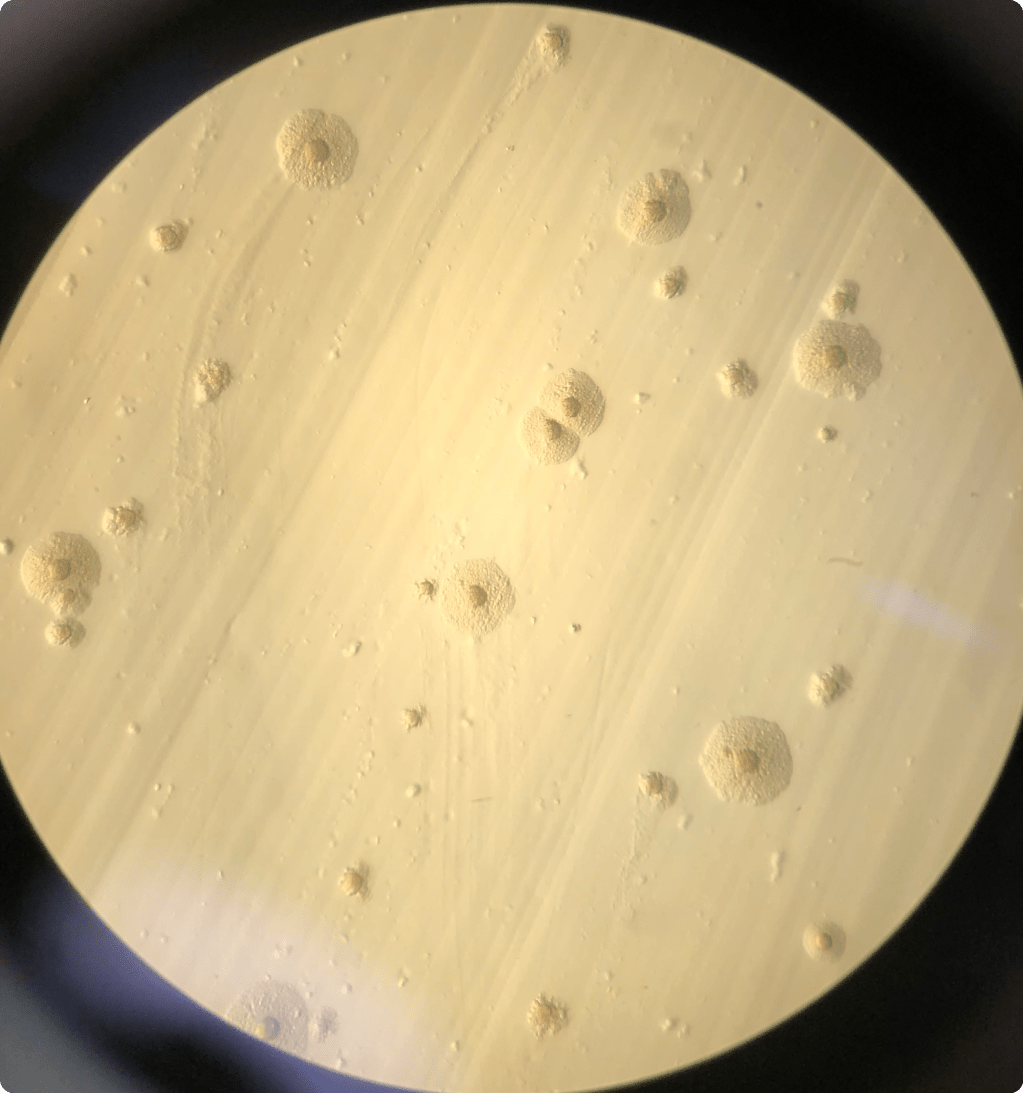
Mycoplasma are among the smallest self-replicating organisms, with no cell wall. They can slip through sterilising filters, shrug off common antibiotics and sit undetected in a cell culture for weeks while quietly changing how the cells behave. For anyone making biologics, testing for them is not optional.
That makes mycoplasma testing a small but strategically important corner of the biologics testing market: mandatory, technically demanding and growing with cell and gene therapy. This guide explains why mycoplasma are so hard to catch, the rules and methods, where testing is required, who competes and what drives the economics.
Key Takeaways
- Mycoplasma testing is required for biologics made in cell culture, and standard sterility tests do not reliably detect it.
- Rapid PCR-based (NAT) methods are replacing the 28-day culture test, especially for cell therapies with short shelf lives.
- Cell and gene therapy is the fastest-growing segment, because testing is needed at more points and results are needed in days, not weeks.
- Customers buy on reliability and speed more than price, which supports healthy margins for established labs.
- Kits are making basic testing more of a commodity, so providers differentiate through speed, sample-specific validation and investigation support.
The Market at a Glance
$1.1B
Global market, 2025
~10%
Forecast CAGR to 2034
28 days
Traditional culture test
24–48 h
Rapid NAT turnaround
IMARC values the global mycoplasma testing market at about $1.13 billion in 2025 and forecasts $2.72 billion by 2034, a CAGR of roughly 10% (IMARC). Coherent Market Insights gives a similar picture: about $1.0 billion in 2024, rising to $1.9 billion by 2031 at 9.7% a year (Coherent Market Insights). Demand grows with biologics manufacturing, biosimilars and especially cell and gene therapy, because every mammalian cell culture process needs mycoplasma testing at several points.
Why Mycoplasma Are So Hard to Catch
Their small size (typically 0.2–0.3 µm) lets them pass through standard 0.22 µm sterilising filters. With no cell wall, they are unaffected by beta-lactam antibiotics such as penicillin. They grow slowly, have demanding nutritional needs (many require sterols), form tiny colonies and can persist in biofilms. Contaminated cultures may look normal while their metabolism, growth, protein expression and even glycosylation change.
Of the 200+ known species, a handful cause most cell culture contamination, including M. orale, M. hyorhinis, M. arginini, M. fermentans, M. hominis and Acholeplasma laidlawii. Test methods are validated against these.
Why Sterility Testing Isn’t Enough
Compendial sterility testing (USP <71>) uses a 14-day incubation in media that many mycoplasma cannot grow in, so a sterile result does not rule them out. Dedicated mycoplasma testing, with specialised media, conditions and expertise, is a separate, mandatory requirement. That gap is the reason this market exists.
The Regulatory Framework
Requirements are set out in the pharmacopoeias and agency guidance. USP <63> Mycoplasma Tests, European Pharmacopoeia 2.6.7 and the Japanese Pharmacopoeia describe the culture method, indicator cell culture and nucleic acid amplification techniques (NAT), with NAT accepted when properly validated against the reference methods. USP <1043> covers ancillary materials for cell, gene and tissue-engineered products, extending testing to raw materials and cell banks. FDA and EMA guidance for cell and gene therapies adds further expectations, because these products cannot be terminally sterilised.
For investors, the key point is that testing is non-discretionary and tied to manufacturing volume, so it continues through economic cycles. Inspectors also scrutinise method validation, testing frequency and how atypical results are investigated, which favours experienced labs.
Testing Methods
| Method | How it works | Time to result | Market position |
|---|---|---|---|
| Culture (direct) | Samples grown on mycoplasma agar and in broth at 35–37°C | Up to 28 days | The long-standing reference method; still used as primary or confirmatory, but in decline |
| Indicator cell culture | Sample added to indicator cells, then stained (e.g. DNA fluorochrome) to reveal non-cultivable strains | About 1–2 weeks | Used alongside culture for compendial testing |
| NAT (PCR) | Amplifies mycoplasma-specific DNA, typically 16S rRNA genes, often with commercial validated kits | Hours to 1–2 days | Fastest-growing; essential for cell therapies |
| Emerging methods | Next-generation sequencing, digital PCR, biosensors and microfluidics | Varies | Promising but still working through validation and regulatory acceptance |
“For a cell therapy with a two-week manufacturing window, a 28-day test simply doesn’t work.”
Rapid NAT testing typically costs around $500–1,500 per sample, depending on turnaround, volume and complexity, and expedited 24–48 hour results for cell therapy can cost two to three times standard pricing. Faster methods also raise lab throughput, but reliance on commercial kits narrows the technical gap between providers over time.
Where Testing Is Required
Biologics and Biosimilars
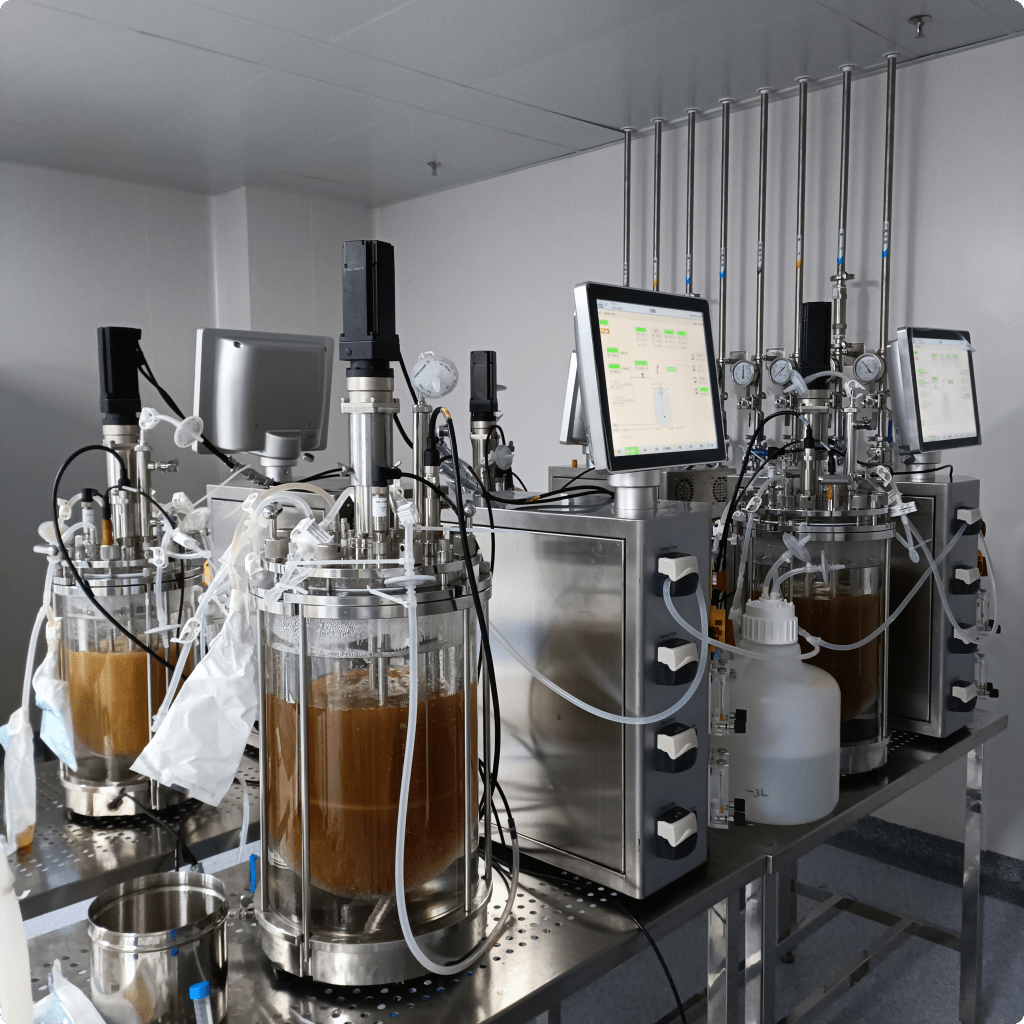
The largest segment. Testing covers master and working cell banks, end-of-production cells or harvest, and sometimes drug substance. Large campaigns can generate dozens of tests per batch.
Cell and Gene Therapy
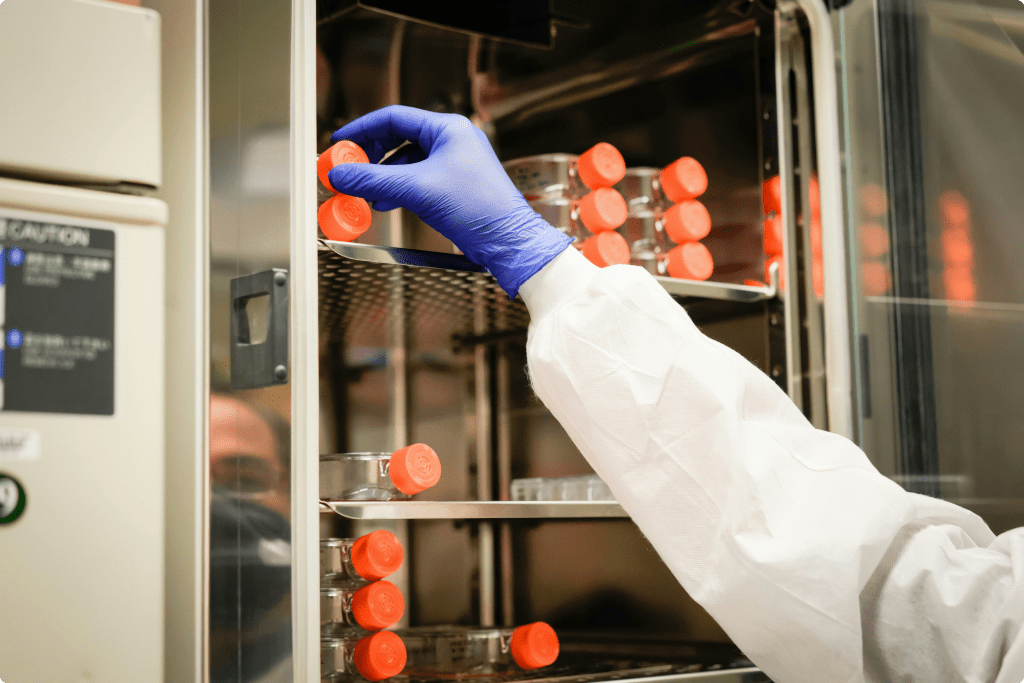
The fastest-growing segment, with testing of starting materials, in-process samples and final product. Autologous products are a separate batch per patient, multiplying test volumes.
Vaccines
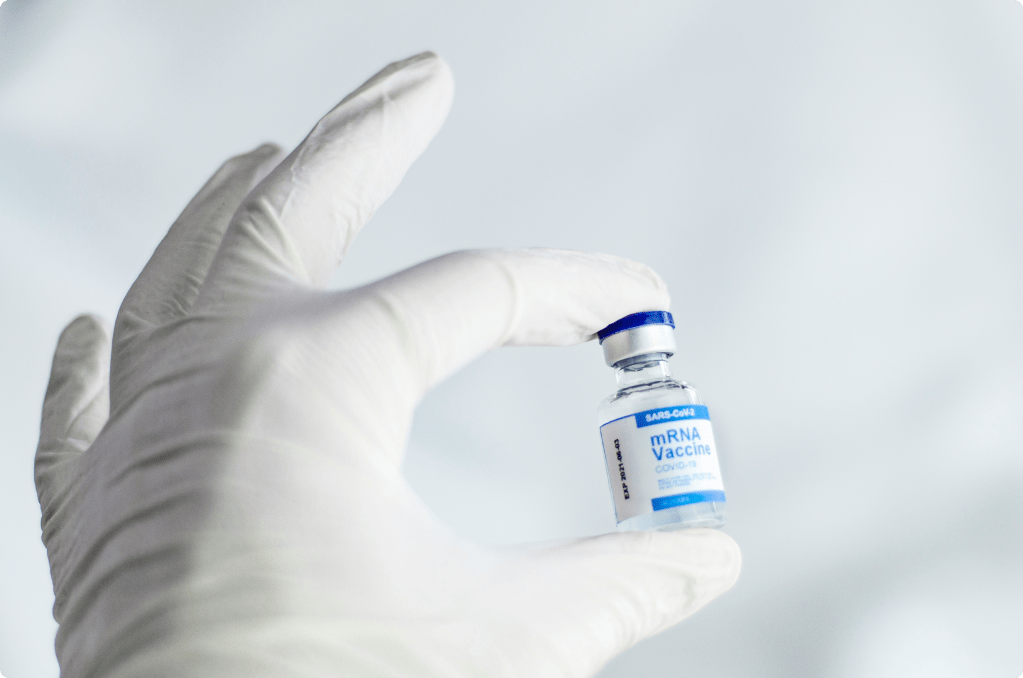
Cell-culture vaccines need testing of cell substrates and production stages. Volumes are large and steady, but vaccine economics push pricing down.
Raw Materials
Serum, growth factors, enzymes and other animal- or human-derived inputs. Serum-free media reduce some demand, but complex cell therapy reagents add more.
Cell bank testing links directly to cell line development (see our cell line development guide), and the extra testing burden of advanced therapies is covered in our guide to cell therapy types.
What Contamination Costs
The economics of this market rest on a simple asymmetry: a test costs hundreds or thousands of dollars, while a contamination event can cost millions in lost batches, investigations, cleaning and delays. Once established, mycoplasma are hard to eradicate because they persist in biofilms and porous materials, so remediation often needs specialist investigation, enhanced environmental monitoring and repeated testing.
This shapes buying behaviour. Customers favour labs with long regulatory track records, pay more for speed because early detection limits losses, and sometimes use more than one method or provider for added assurance. Contamination events also create follow-on work: investigation support, intensive testing and enhanced monitoring programs.
Competitive Landscape
- Large testing groups such as Charles River Laboratories, Eurofins, SGS and others offer mycoplasma testing within broad biologics safety panels, with global networks and strong regulatory track records.
- Specialists focus on cell and gene therapy, viral vectors or fast turnaround, and compete on expertise and service.
- Kit and platform suppliers such as Thermo Fisher (MycoSEQ), Lonza (MycoAlert, a rapid enzyme-based screen) and Merck KGaA sell systems and reagents to in-house labs and contract testers, earning recurring consumables revenue. Validated methods are costly to replace, which creates switching costs.
The market is gradually consolidating. Large testing groups acquire specialists for capabilities and geography, and private equity backs platforms that bundle mycoplasma testing with sterility, endotoxin, viral safety and other biologics tests.
Economics
Established labs can earn gross margins of roughly 45–60%, with specialised and expedited work higher. A basic mycoplasma lab (BSL-2 space, incubation and PCR equipment) might cost $0.5–2 million, but scaling also needs trained staff, method validation and regulatory qualification, typically 12–24 months for new capacity.
Margin pressure comes from kit-based commoditisation, lower-cost regional competitors and consolidating pharma buyers. The best defence is to move from “a test result” to “a contamination-control partner”: sample-specific validation, rapid release testing, investigation support and environmental monitoring.
Risks to Underwrite
- Commoditisation. Standardised kits narrow differentiation and invite price competition.
- Method shifts. New technologies (NGS, digital PCR) or regulatory changes could favour labs that invest early and strand older capacity.
- Quality failures. A false negative or an inspection finding at a lab can quickly damage its reputation with customers.
- End-market dependence. Cell and gene therapy growth has been uneven, and funding cycles affect development-stage volumes.
- Capacity constraints. Slow scaling can mean turning away work during demand spikes.
What This Means for Investors
Mycoplasma testing offers mandatory, recurring demand, strong pricing power where speed and reliability matter, and exposure to the fastest-growing part of biologics. The most valuable providers combine rapid validated methods with deep regulatory credibility and broader contamination-control services. When evaluating a target, we’d focus on:
- What share of volume comes from cell and gene therapy versus traditional biologics and vaccines?
- Which methods are validated, for which sample types, and how fast are typical turnarounds?
- What is the lab’s regulatory track record, including audits, inspections and any invalidated results?
- How much revenue comes from bundled biologics safety testing and investigation work versus single tests?
- How exposed is pricing to kit commoditisation and lower-cost competitors?
- Is there capacity, and a hiring plan, to support growth?
Terraforme Biosciences supports investors with technical and commercial due diligence on life sciences service businesses. Learn more about our M&A support.
Sources
- IMARC Group, Mycoplasma Testing Market
- Coherent Market Insights via GlobeNewswire, Mycoplasma Testing Market to Reach $1,907.6 Million by 2031
- USP General Chapter <63>, Mycoplasma Tests
- European Pharmacopoeia 2.6.7, Mycoplasmas
- USP General Chapter <1043>, Ancillary Materials for Cell, Gene, and Tissue-Engineered Products
- USP General Chapter <71>, Sterility Tests
At a glance
$1.1B
Global market, 2025
~10%
Forecast CAGR to 2034
28 days
Traditional culture test
24–48 h
Rapid NAT turnaround
Evaluating a biologics testing business?
Related Insights
Evaluating a Biologics Testing Lab?
We provide technical and commercial due diligence on testing methods, regulatory track record and growth plans for investors and operators.

